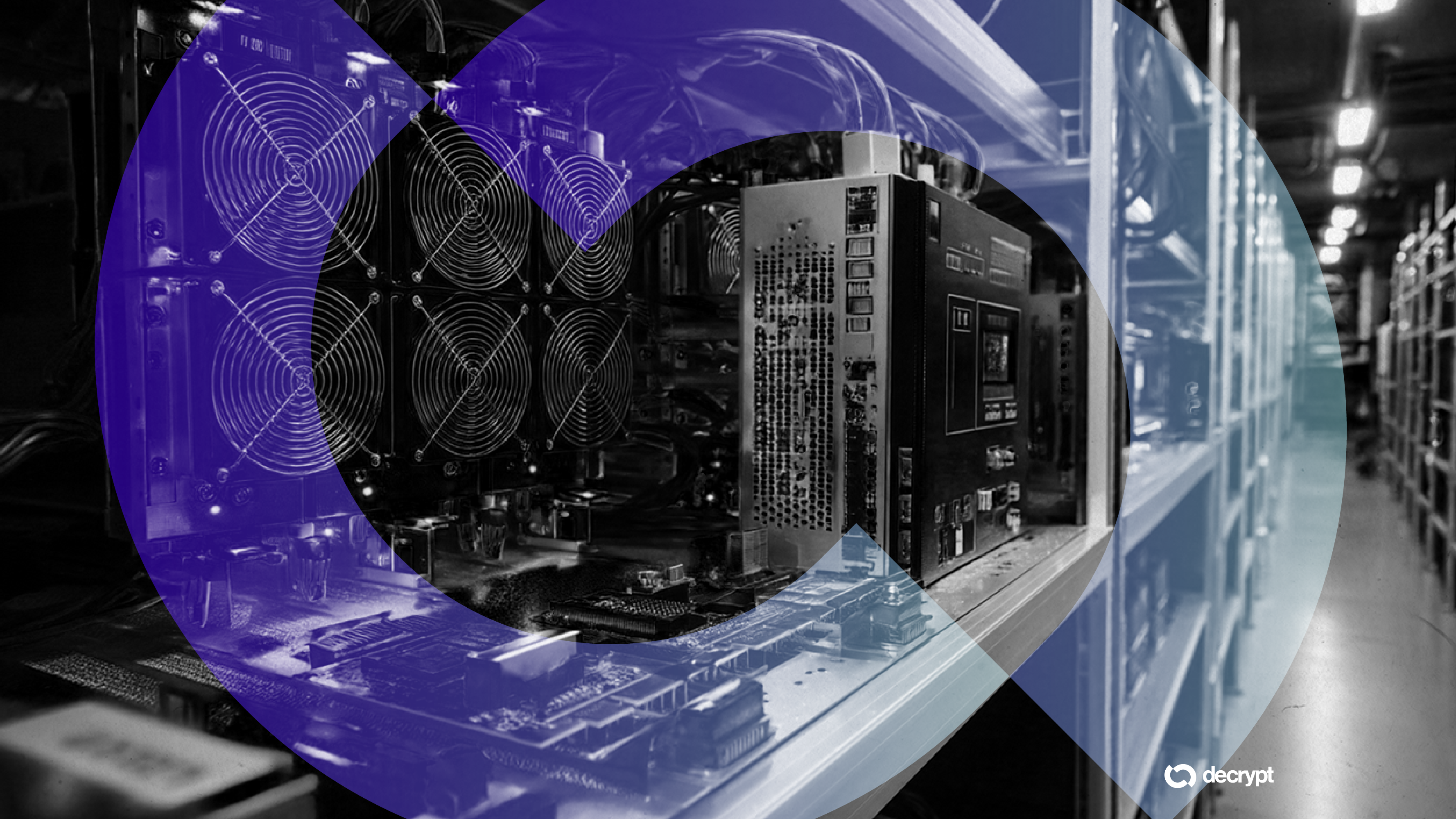
A newly launched blockchain project called Quip Network has positioned itself as the first cryptocurrency network specifically designed for quantum computer mining, marking a distinct shift from the quantum security concerns that have long worried Bitcoin advocates and blockchain developers.
Quantum Mining Creates New Technical Niche
Unlike traditional proof-of-work cryptocurrencies that rely on classical computing hardware, Quip Network's architecture explicitly optimizes for quantum computing systems. The project's creators developed consensus mechanisms that leverage quantum computational advantages rather than treating quantum capabilities as a security threat.
This approach represents a departure from the broader industry focus on quantum-resistant cryptography. While major blockchain projects have invested in post-quantum security measures to protect against future quantum attacks, Quip Network instead embraces quantum computing as a mining resource. The technical implementation requires specialized knowledge of both blockchain architecture and quantum computing principles, potentially creating demand for professionals with cross-disciplinary expertise.
However, the practical applications remain limited in the near term. Quantum computers capable of meaningful mining operations are primarily accessible through research institutions and select technology companies, restricting participation to organizations with significant resources or academic partnerships.
Workforce Implications for Blockchain Industry
The emergence of quantum-focused blockchain networks signals a potential new specialization within the crypto workforce. Professionals with backgrounds in quantum computing, quantum cryptography, and related fields may find increasing opportunities as projects explore quantum applications beyond mining.
For blockchain developers and security engineers, the divergent approaches to quantum computing—defensive versus integrative—underscore the need for continued education in quantum-related technologies. Organizations building quantum-resistant protocols will require different skill sets than those developing quantum-native systems like Quip Network.
The project also highlights the ongoing evolution of consensus mechanisms and mining infrastructure. As the industry matures, specialized networks targeting specific hardware or computational approaches may create niche employment markets for technical professionals with relevant expertise.
Web3 professionals should monitor quantum computing developments as both a security consideration and a potential area for career specialization, particularly as quantum hardware becomes more accessible over the coming years.