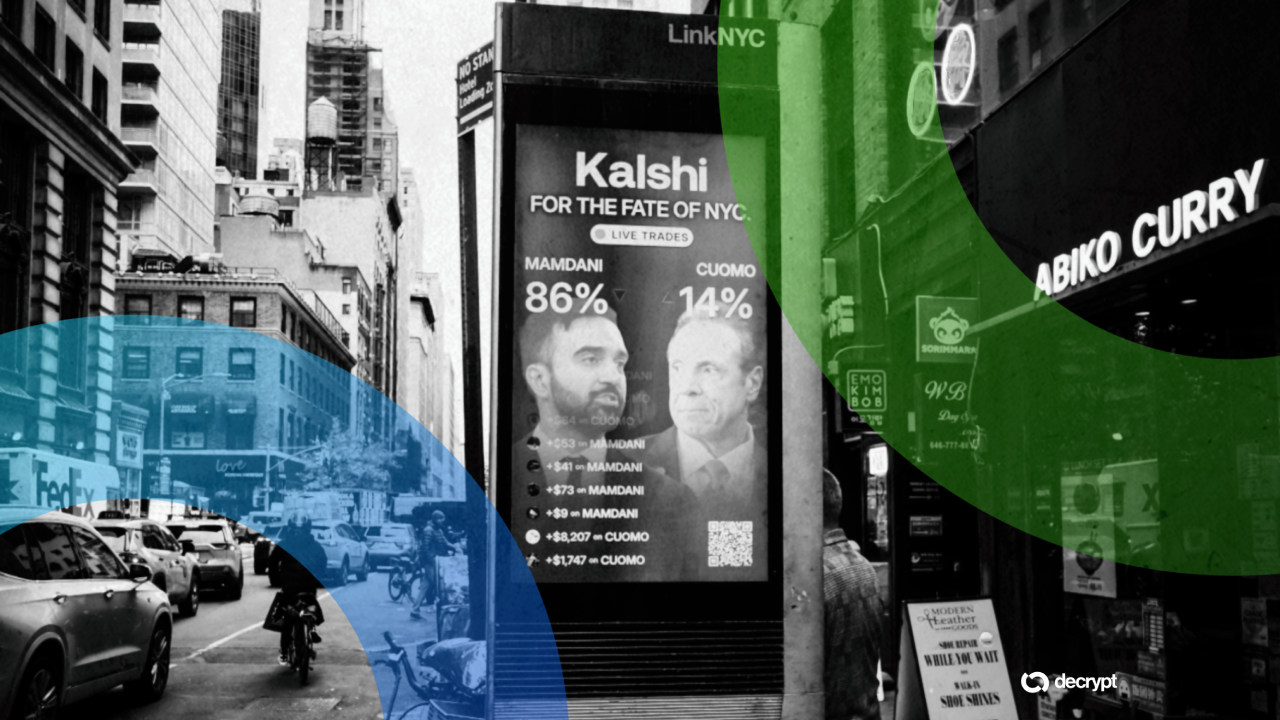
Two major U.S. states have enacted measures to prevent government employees from exploiting insider information on political prediction markets, addressing emerging regulatory challenges as blockchain-based forecasting platforms gain mainstream adoption. The bans from New York and Illinois come as platforms like Polymarket and Kalshi experience significant growth in political event wagering.
New Regulatory Framework for Public Servants
New York Governor Kathy Hochul and Illinois Governor JB Pritzker have implemented restrictions preventing state employees from trading on prediction markets where they possess non-public information. The measures specifically target scenarios where government workers could leverage privileged access to political developments, policy decisions, or upcoming announcements for financial gain on decentralized and centralized forecasting platforms.
The timing reflects broader concerns about market integrity as prediction markets transition from niche crypto applications to mainstream financial instruments. Political contracts on these platforms now regularly attract millions in trading volume, creating incentives for information asymmetry exploitation.
Implications for Blockchain and Compliance Professionals
These state-level actions signal an evolving regulatory landscape that will likely create new compliance requirements for prediction market platforms. Companies operating in this space will need to develop robust verification systems and monitoring protocols to ensure government employees cannot circumvent trading restrictions.
For web3 professionals, this development highlights several career considerations. Compliance and legal specialists with expertise in both blockchain technology and government ethics regulations will become increasingly valuable as platforms navigate this regulatory complexity. Smart contract developers may need to implement identity verification and trade restriction mechanisms that preserve user privacy while enforcing legal requirements.
The bans also underscore the maturation of prediction markets from experimental DeFi protocols to regulated financial products. Teams building or operating these platforms should anticipate additional regulatory scrutiny and compliance obligations, particularly regarding user verification and transaction monitoring.
As prediction markets continue integrating with traditional finance and attracting institutional attention, professionals with cross-disciplinary expertise in blockchain infrastructure, regulatory compliance, and traditional financial controls will find expanding opportunities in this evolving sector. The regulatory clarity, while restrictive, may ultimately accelerate institutional adoption by addressing concerns about market manipulation and insider trading.



