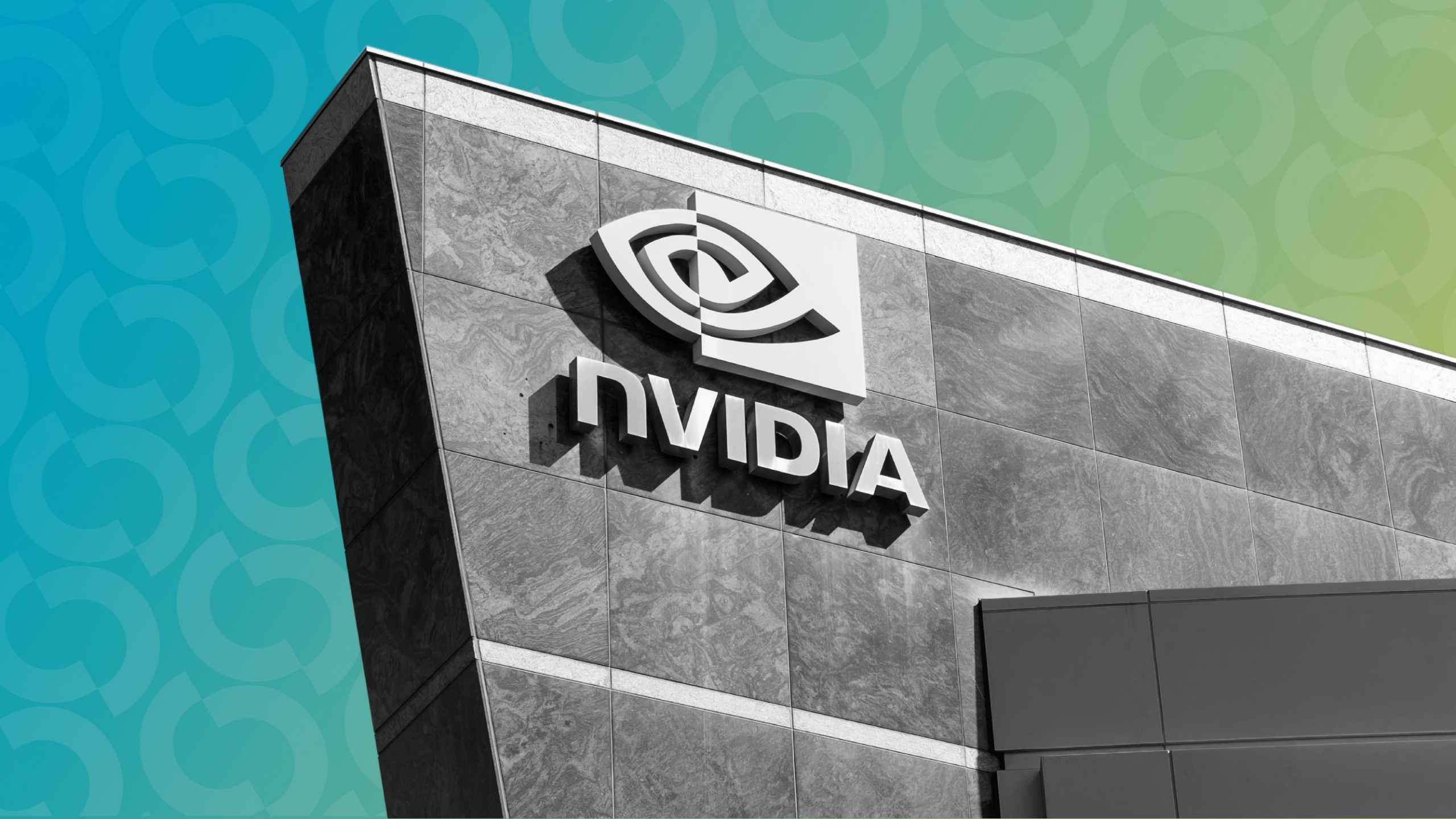
Nvidia will face a class action lawsuit after failing to dismiss claims that inadequate disclosures about cryptocurrency mining revenue impacted its stock price. The chipmaker's motion to dismiss was denied, allowing securities fraud allegations to advance through the legal system.
Background on the Securities Case
The lawsuit stems from Nvidia's handling of revenue disclosures during the 2017-2018 cryptocurrency mining boom. Investors allege the company misrepresented how much of its GPU sales were driven by crypto miners rather than traditional gaming customers. When the crypto market collapsed in 2018, Nvidia's stock price dropped significantly, leading shareholders to claim they were misled about the company's exposure to volatile crypto demand.
The court's decision to let the case proceed indicates that plaintiffs presented sufficient evidence that Nvidia's crypto-related disclosures may have materially affected investor decisions. Nvidia attempted to have the case dismissed but could not successfully rebut the claims regarding the connection between its disclosures and stock price movements.
Implications for Blockchain Industry Hiring
This legal development highlights ongoing regulatory scrutiny of companies with significant crypto exposure, even those operating primarily in adjacent sectors like hardware manufacturing. For Web3 professionals, the case underscores the importance of transparency and regulatory compliance across the blockchain ecosystem.
Companies building in the crypto space should take note: proper disclosure practices and clear communication about revenue sources tied to cryptocurrency markets remain critical. This applies not only to blockchain-native firms but also to traditional tech companies serving crypto clients.
The legal proceedings may influence how hardware manufacturers and other crypto-adjacent businesses structure their reporting and compliance teams. Organizations with exposure to cryptocurrency markets may increase demand for professionals with expertise in securities law, financial reporting, and regulatory compliance specific to digital assets.
For professionals in finance, legal, and compliance roles within the blockchain industry, this case reinforces the value of specialized knowledge in cryptocurrency-related disclosure requirements. As institutional involvement in crypto deepens, companies will continue prioritizing talent who can navigate the complex intersection of traditional securities law and digital asset markets.



