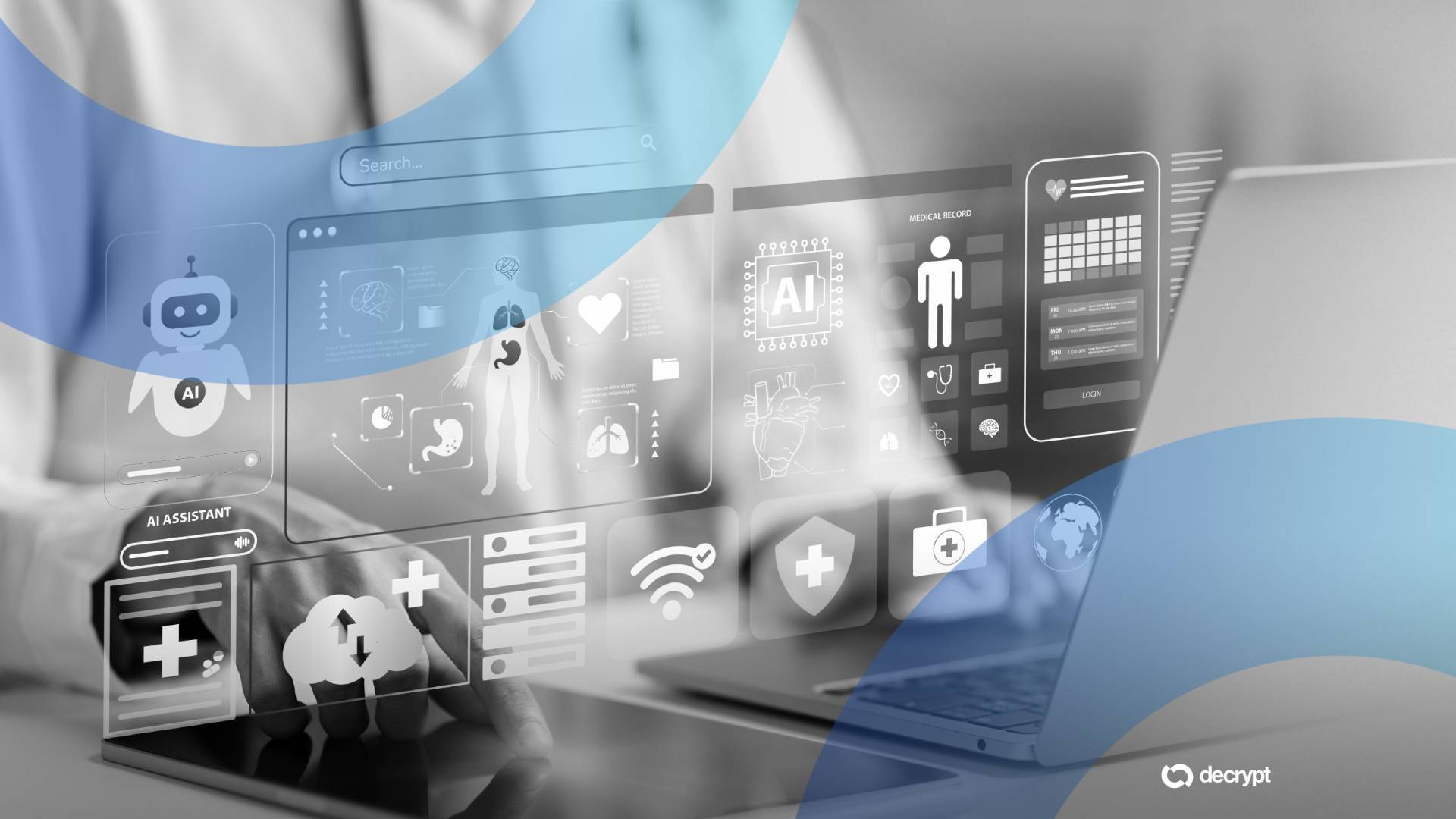
OpenAI has released ChatGPT for Clinicians, a specialized AI assistant targeting medical professionals. The company claims the tool outperformed human physicians in clinical assessments based on internal testing, though the results stem from OpenAI's proprietary evaluation framework.
Healthcare AI Meets Web3 Infrastructure
The launch arrives as healthcare organizations increasingly explore blockchain solutions for data management and AI integration. ChatGPT for Clinicians aims to reduce administrative burden for physicians, potentially freeing medical professionals to focus on patient care while delegating routine documentation and diagnostic support to AI systems.
OpenAI's move into specialized professional tools signals broader industry trends affecting multiple sectors, including finance, legal services, and healthcare. For blockchain professionals, this development highlights growing intersections between AI and decentralized technologies, particularly in healthcare data management where privacy and interoperability remain critical challenges.
Several healthcare blockchain projects are already working to address these issues through decentralized health records and tokenized data sharing frameworks. As AI tools like ChatGPT for Clinicians proliferate, demand for blockchain developers with healthcare expertise may accelerate, particularly those who can build secure infrastructure for AI-assisted medical applications.
Workforce Implications Across Industries
The healthcare sector's adoption of advanced AI tools parallels developments in crypto and DeFi, where automation increasingly handles routine processes. This shift creates demand for professionals who can bridge technical domains—developers comfortable with both AI integration and blockchain infrastructure, compliance specialists who understand emerging regulatory frameworks, and product managers who can navigate complex multi-technology implementations.
OpenAI's self-reported performance metrics warrant scrutiny, as independent validation remains pending. However, the tool's release underscores a broader pattern: specialized AI applications are rapidly entering professional workflows across industries, including financial services where crypto companies operate.
For web3 professionals, this trend reinforces the importance of understanding adjacent technologies. As healthcare organizations adopt both AI and blockchain solutions, opportunities emerge for developers, architects, and consultants who can design systems integrating multiple cutting-edge technologies. The convergence of AI automation and decentralized infrastructure may define next-generation healthcare platforms, creating specialized roles at the intersection of these domains.