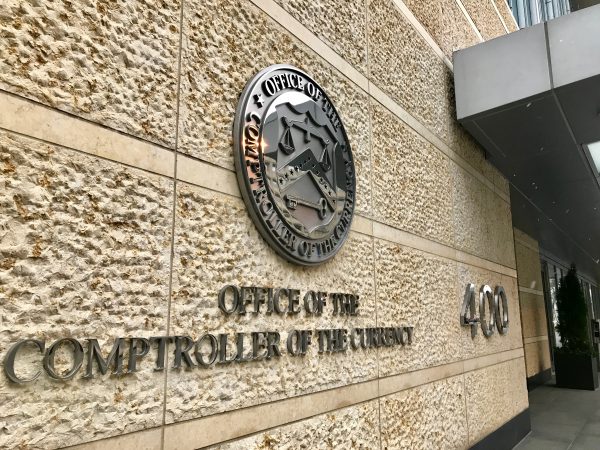
Payoneer, the publicly-traded cross-border payments platform, has submitted an application to the Office of the Comptroller of the Currency (OCC) to establish a federally chartered digital bank and issue its own stablecoin. The move signals the company's ambitions to expand deeper into cryptocurrency services while operating under traditional banking oversight.
Strategic Shift Toward Regulated Digital Banking
The application seeks approval for PAYO Digital Bank, which would operate as a federally regulated institution under OCC supervision. This approach differentiates Payoneer from many crypto-native companies that have pursued state-level licenses or offshore operations. By seeking federal oversight, Payoneer positions itself to offer stablecoin services within the established U.S. banking framework.
The company, which already serves millions of businesses and freelancers with international payment solutions, appears to be leveraging its existing fintech infrastructure to bridge traditional finance and digital assets. Federal bank charter status would provide regulatory clarity that many crypto firms have struggled to achieve, potentially offering a competitive advantage in the evolving digital payments landscape.
Implications for Stablecoin Development
Details about Payoneer's planned stablecoin remain limited, but the federal banking route suggests the company aims for a compliance-first approach. This contrasts with several crypto projects that have faced regulatory challenges due to unclear legal frameworks. A federally supervised stablecoin could serve Payoneer's existing customer base of cross-border businesses while expanding into the crypto economy.
The timing coincides with increased regulatory scrutiny of stablecoins and ongoing discussions about federal frameworks for digital asset oversight. Payoneer's application demonstrates how established fintech companies view regulated stablecoin issuance as a viable business opportunity.
Impact on the Crypto Workforce
For blockchain and compliance professionals, Payoneer's move represents the type of institutional adoption that creates employment opportunities at the intersection of traditional finance and crypto. Companies pursuing federal banking charters typically need specialized talent in regulatory compliance, blockchain engineering, and digital asset operations.
As more established financial services firms explore regulated crypto products, demand will likely increase for professionals who understand both traditional banking regulations and blockchain technology. This trend reinforces the importance of cross-functional expertise in the evolving web3 job market.