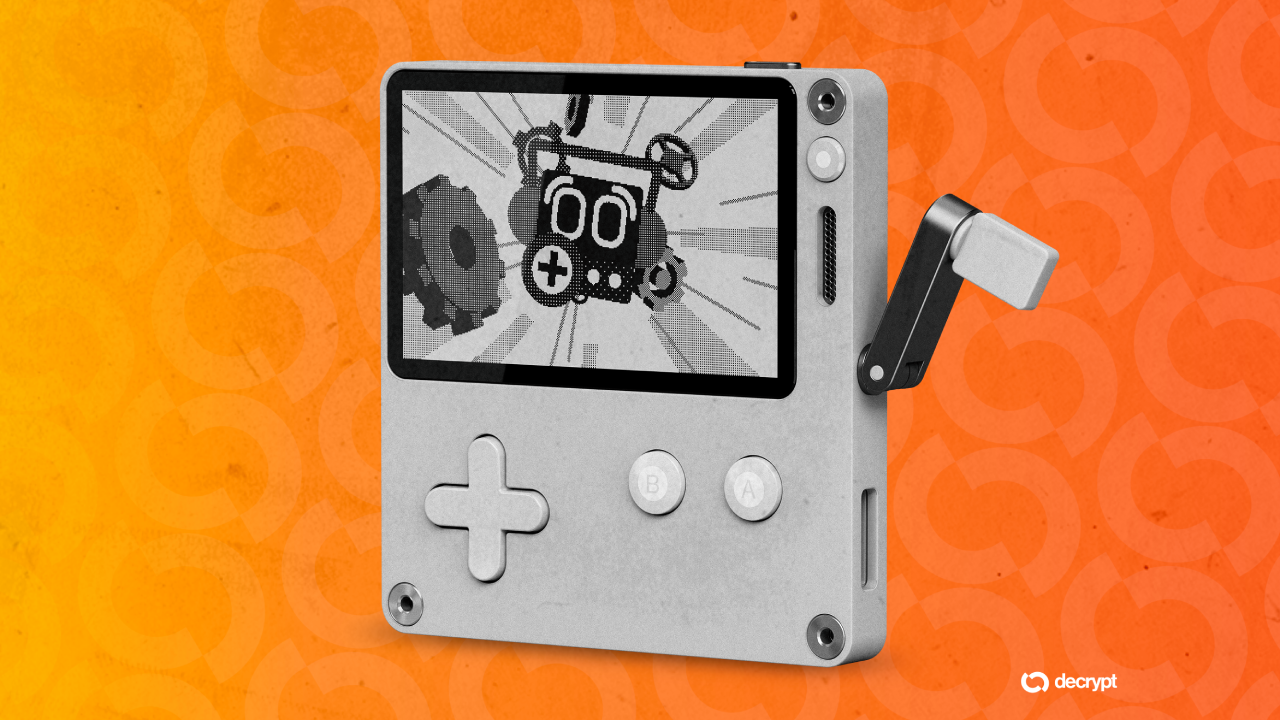
Panic, the company behind the Playdate handheld gaming console, has updated its developer guidelines to prohibit the use of generative AI tools for creative content while maintaining support for AI-powered productivity applications. The policy change reflects growing tensions in the gaming industry over AI's role in creative work.
New Developer Guidelines Draw Clear Boundaries
The updated policy establishes a distinction between AI applications. Panic now bars developers from using generative AI systems to create game assets, artwork, music, or narrative content for Playdate titles. This restriction targets tools that generate creative output, such as AI image generators, text-to-code systems for game logic, and AI music composers.
However, the company continues to permit AI-powered development tools that function as productivity aids. These include code completion assistants, debugging tools, and similar utilities that help developers work more efficiently without directly generating creative content.
Industry Context and Workforce Implications
This policy decision arrives as the gaming industry grapples with questions about AI's impact on creative roles. Game studios have faced criticism from artists, writers, and musicians concerned about job displacement and the devaluation of human creativity.
For game developers and creative professionals in web3 gaming, Panic's stance signals that some platforms prioritize human-created content over AI-generated alternatives. This approach may create more opportunities for traditional game artists, sound designers, and writers working on Playdate projects.
The distinction between generative and productivity AI tools also suggests a nuanced view of technology adoption—one that seeks to enhance developer efficiency without replacing creative talent. This mirrors broader debates in the blockchain gaming sector, where studios balance innovation with maintaining quality standards and supporting creative professionals.
What This Means for Web3 Game Developers
Developers building for Playdate must now ensure their creative pipelines rely on human talent rather than generative AI systems. This requirement could increase demand for skilled artists, composers, and narrative designers in the Playdate ecosystem, potentially creating new opportunities for freelancers and small creative teams.
The policy also establishes a precedent that other gaming platforms may follow, making human-centered creative skills increasingly valuable in certain segments of the gaming industry.


