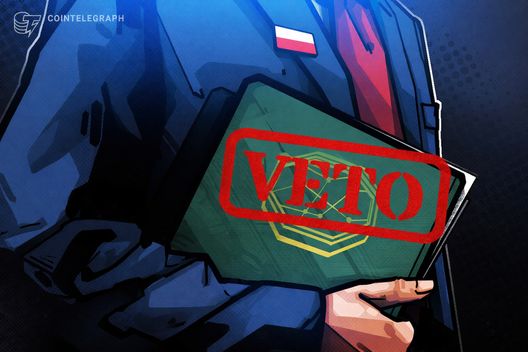
President Karol Nawrocki has rejected Poland's Markets in Crypto-Assets (MiCA) implementation bill for the second time, creating regulatory uncertainty for the country's blockchain companies as the European Union's summer compliance deadline approaches. Nawrocki stated the revised legislation was "practically identical" to the previous version he vetoed, leaving Polish crypto firms without a clear domestic licensing path.
Regulatory Impasse Forces Industry Migration
The repeated veto places Polish crypto companies in a challenging position as they scramble to meet MiCA's regulatory requirements. Without national implementing legislation, local firms cannot obtain the necessary licenses to operate legally under the EU's comprehensive crypto framework, which takes full effect this summer.
Industry sources indicate Polish blockchain companies are now exploring licensing options in other EU member states that have successfully implemented MiCA-compliant legislation. This migration could result in significant talent and business activity flowing out of Poland to jurisdictions with clearer regulatory frameworks, such as France, Germany, or the Netherlands.
Workforce and Hiring Implications
The regulatory limbo creates several concerns for crypto professionals in Poland:
- Job security uncertainties for developers, compliance officers, and other blockchain professionals at Polish crypto companies
- Potential relocation requirements as employers establish operations in MiCA-compliant jurisdictions
- Delayed hiring plans as companies pause expansion until regulatory clarity emerges
- Brain drain risk as Polish blockchain talent may follow companies relocating abroad
For professionals considering opportunities in Poland's crypto sector, the situation underscores the importance of evaluating regulatory stability when making career decisions. Companies without clear licensing paths may face operational challenges that could impact employment stability.
Looking Ahead
The veto highlights how political decisions at the national level can directly affect crypto workforce dynamics, even within the EU's unified regulatory framework. Polish blockchain professionals should monitor developments closely and consider positioning themselves for potential opportunities in jurisdictions with established MiCA compliance infrastructure. Meanwhile, employers may need to accelerate contingency plans for cross-border operations to retain talent and maintain business continuity.


