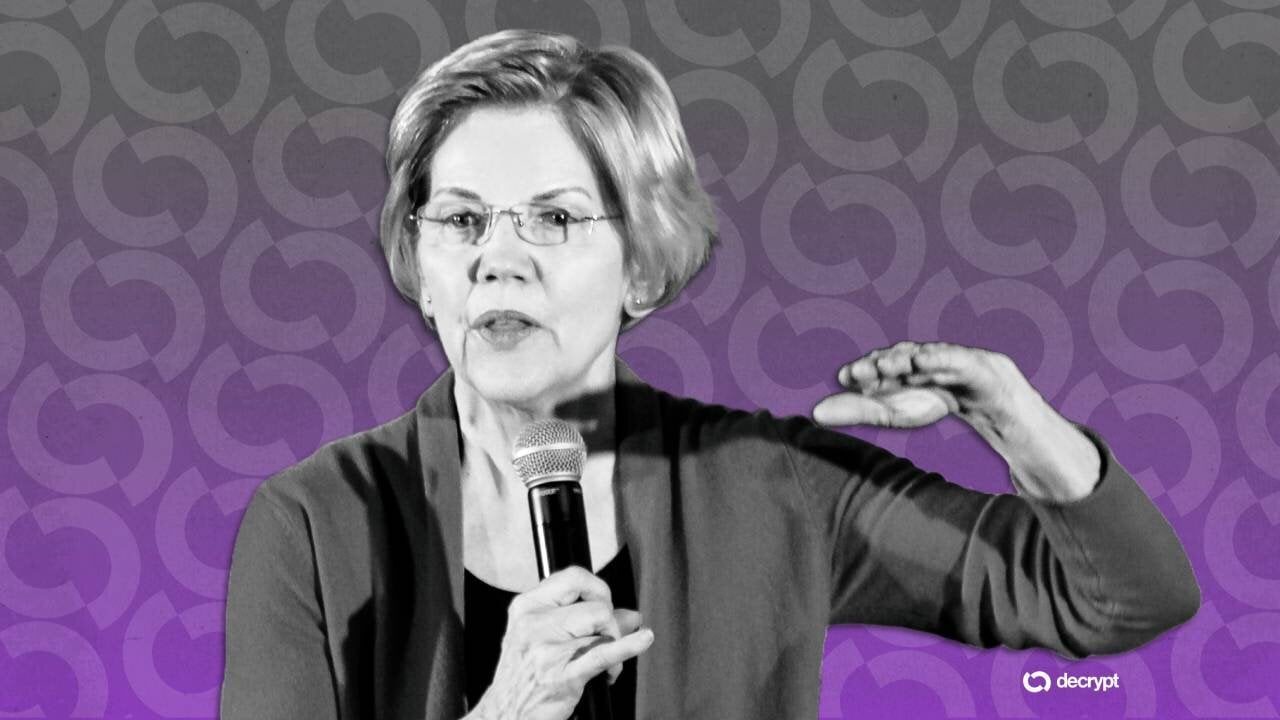
Senator Elizabeth Warren has publicly criticized World Liberty Financial's (WLFI) application for a federal banking charter, calling it "the most disgraceful" corruption scandal. The controversy centers on the Office of the Comptroller of the Currency (OCC) and its handling of the application from the crypto venture linked to President Trump's family.
Regulatory Scrutiny Intensifies
The dispute emerged during recent congressional proceedings, where Warren questioned the legitimacy of WLFI's charter application process. The senator's sharp criticism prompted an immediate defense from the OCC's acting head, who defended the agency's evaluation procedures and insisted that all applications undergo standard regulatory review regardless of political connections.
WLFI, which maintains business ties to the Trump family, represents one of several crypto-related entities seeking traditional banking privileges. The application has drawn heightened attention due to the political sensitivities involved and concerns about preferential treatment in the regulatory review process.
The OCC chief emphasized that the agency follows established protocols for charter applications, maintaining that no applicant receives special consideration based on political affiliations. However, Warren's concerns reflect broader anxiety within certain legislative circles about potential conflicts of interest when politically connected entities seek regulatory approval.
Implications for Crypto Banking Sector
This public dispute highlights the ongoing challenges crypto companies face when attempting to bridge traditional finance and digital assets. Banking charter applications from crypto firms already face extensive scrutiny, and political controversies add another layer of complexity to an already demanding process.
For crypto professionals, this situation underscores the regulatory uncertainty that continues to shape the industry's employment landscape. Companies pursuing banking charters typically require expanded compliance teams, legal specialists, and regulatory affairs professionals to navigate the application process. Political scrutiny can extend timelines and increase resource requirements, potentially affecting hiring plans.
The incident also demonstrates how political dynamics increasingly influence crypto regulatory decisions, creating additional considerations for professionals evaluating career opportunities in politically connected ventures. As regulatory frameworks evolve, expertise in navigating complex compliance environments remains highly valuable for blockchain professionals seeking roles at the intersection of traditional finance and digital assets.


