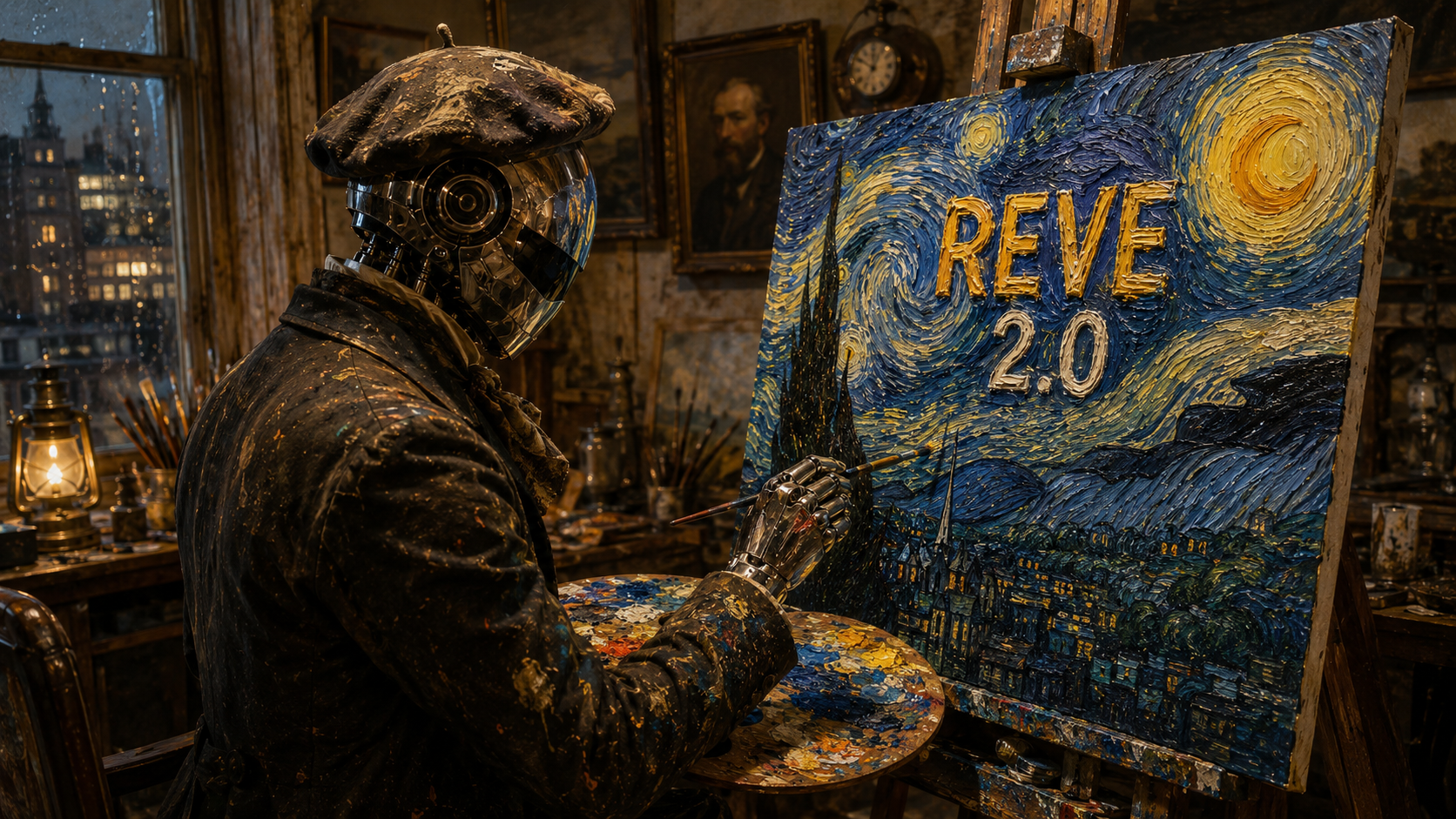
Reve AI has released version 2.0 of its image generation platform, introducing 4K resolution outputs and structured layout planning capabilities that differentiate it from competitors like Midjourney. The startup, which previously gained attention for offering image generation at $0.01 per image, now targets professional designers and creative teams with its code-like planning approach.
Technical Capabilities and Market Positioning
The new Reve 2.0 model implements a systematic approach to image composition, allowing users to plan image layouts through structured parameters similar to coding frameworks. This methodology appeals to technical artists and design professionals who require precise control over visual elements rather than relying solely on text prompts.
The platform maintains its competitive pricing advantage while adding 4K resolution support, positioning itself as a cost-effective alternative for studios and creative agencies managing high-volume image production. Unlike Midjourney and other established platforms, Reve accepts a notably broader range of content requests, implementing fewer content restrictions in its generation process.
Implications for Creative and Technical Roles
The structured planning approach suggests growing demand for hybrid skillsets in AI-assisted creative work. Design professionals who understand both visual composition and technical implementation frameworks may find enhanced opportunities as tools like Reve 2.0 become standard in production workflows.
For blockchain projects requiring NFT artwork, marketing materials, or visual content at scale, the cost-per-image advantage combined with high-resolution output creates new possibilities for in-house content creation versus outsourcing to specialized studios.
The platform's reduced content filtering also raises workforce considerations around content moderation and compliance roles within companies adopting the technology. Organizations implementing Reve 2.0 may need to develop internal guidelines and oversight processes.
As AI image generation tools evolve toward programmatic control and professional-grade outputs, the crypto and web3 industries—already heavy consumers of digital visual content—will likely see shifting requirements for creative positions. Design roles may increasingly emphasize AI tool proficiency and systematic content planning over traditional artistic workflows alone.



