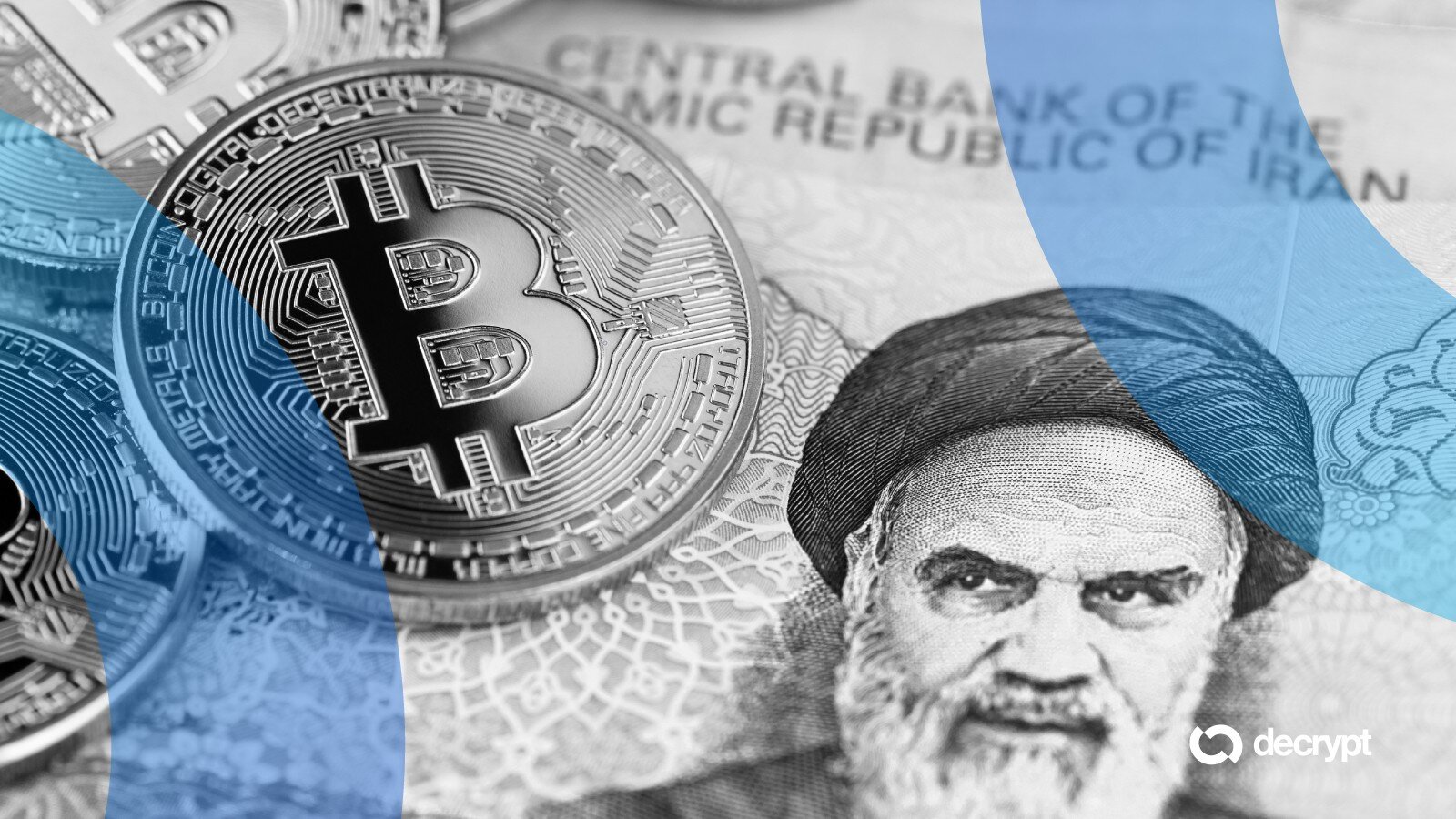
Cryptocurrency transactions linked to sanctioned nations including Iran, Russia, and North Korea reached unprecedented levels in 2024, according to blockchain analytics firm Chainalysis. Iran's regime-affiliated activity alone exceeded $3 billion, marking a significant increase in how sanctioned entities leverage digital assets to circumvent international restrictions.
Growing Compliance Challenges for Crypto Companies
The surge in illicit cryptocurrency use by sanctioned countries presents mounting challenges for blockchain companies and their compliance teams. Chainalysis data reveals that these nations increasingly rely on cryptocurrency infrastructure to facilitate transactions that would otherwise face banking restrictions.
This trend directly impacts hiring priorities across the crypto sector. Companies are expanding their compliance, risk management, and blockchain analytics teams to meet evolving regulatory expectations. Positions in transaction monitoring, sanctions screening, and forensic blockchain analysis have become critical roles as firms face heightened scrutiny from regulators.
The growth in sanctioned entity activity also affects developers and protocol teams building decentralized applications. Questions around censorship resistance versus regulatory compliance continue to shape technical architecture decisions and organizational policies.
Implications for Blockchain Analytics and RegTech
The $3 billion figure underscores the essential role blockchain analytics plays in modern crypto operations. Firms like Chainalysis, Elliptic, and TRM Labs have become indispensable partners for exchanges, DeFi protocols, and institutional investors navigating compliance requirements.
Demand for professionals with expertise in both blockchain technology and financial crime prevention continues to accelerate. Compliance officers who understand on-chain analysis, AML investigators familiar with cryptocurrency mixing services, and data scientists capable of tracking complex transaction patterns represent some of the sector's most sought-after talent.
Workforce Impact
For web3 professionals, these developments signal continued growth in compliance-adjacent roles. Companies operating in regulated markets are investing heavily in teams that can identify and prevent sanctioned entity transactions while maintaining legitimate user access.
The findings also highlight opportunities in government and regulatory sectors, where blockchain expertise helps agencies monitor and enforce sanctions. As sanctioned nations demonstrate increasing sophistication in using digital assets, the need for skilled professionals who can bridge technical knowledge and regulatory frameworks will likely intensify throughout 2025.