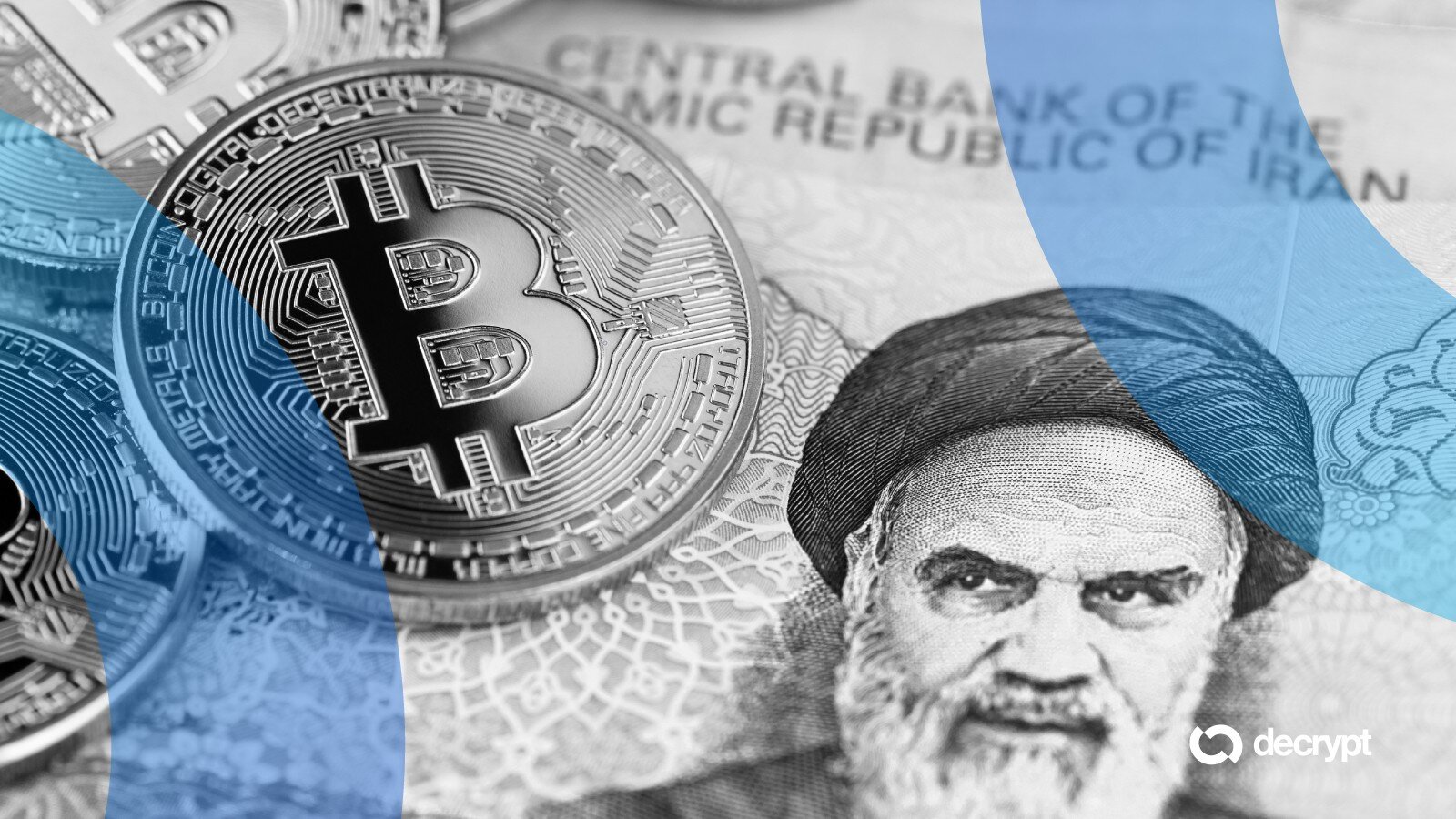
Fraudsters are impersonating Iranian officials and demanding cryptocurrency payments from shipping companies whose vessels remain stranded near the Strait of Hormuz, according to recent reports. The scam has emerged as the regional conflict enters its third month, exploiting the chaos to extract Bitcoin and USDT payments under the pretense of transit clearances.
New Crypto Fraud Vector Emerges from Geopolitical Crisis
The scheme targets maritime companies desperate to move their ships through one of the world's most critical shipping chokepoints. Scammers pose as Iranian authorities and contact vessel operators, demanding cryptocurrency payments to process allegedly required clearances for passage through the strait.
These fraudulent demands specifically request Bitcoin and USDT, leveraging the anonymity and irreversibility of crypto transactions. The tactic represents a sophisticated evolution in crypto-related fraud, combining social engineering with geopolitical instability to create urgency and pressure victims into paying.
The Strait of Hormuz serves as a vital global trade route, with approximately one-fifth of the world's petroleum passing through the waterway. The ongoing conflict has created genuine uncertainty around transit procedures, providing cover for scammers to introduce fraudulent payment demands.
Implications for Blockchain Industry Professionals
This incident highlights the continuing challenges the crypto industry faces regarding illicit use cases and public perception. For professionals in compliance, security, and fraud prevention roles, such schemes underscore the ongoing need for robust transaction monitoring and user education initiatives.
Companies operating in the blockchain analytics and security sectors may see increased demand for their services as shipping companies and other traditional industries seek protection against crypto-based fraud. This creates potential opportunities for professionals specializing in on-chain forensics, compliance technology, and risk assessment.
The incident also reinforces the importance of regulatory frameworks that balance privacy with transparency. Professionals working on compliance solutions and regulatory technology will continue to play crucial roles as the industry addresses these challenges while maintaining the fundamental benefits of blockchain technology.
For web3 professionals, this serves as a reminder that as cryptocurrency adoption grows across industries, so too does the sophistication of threats targeting both the technology and its users.