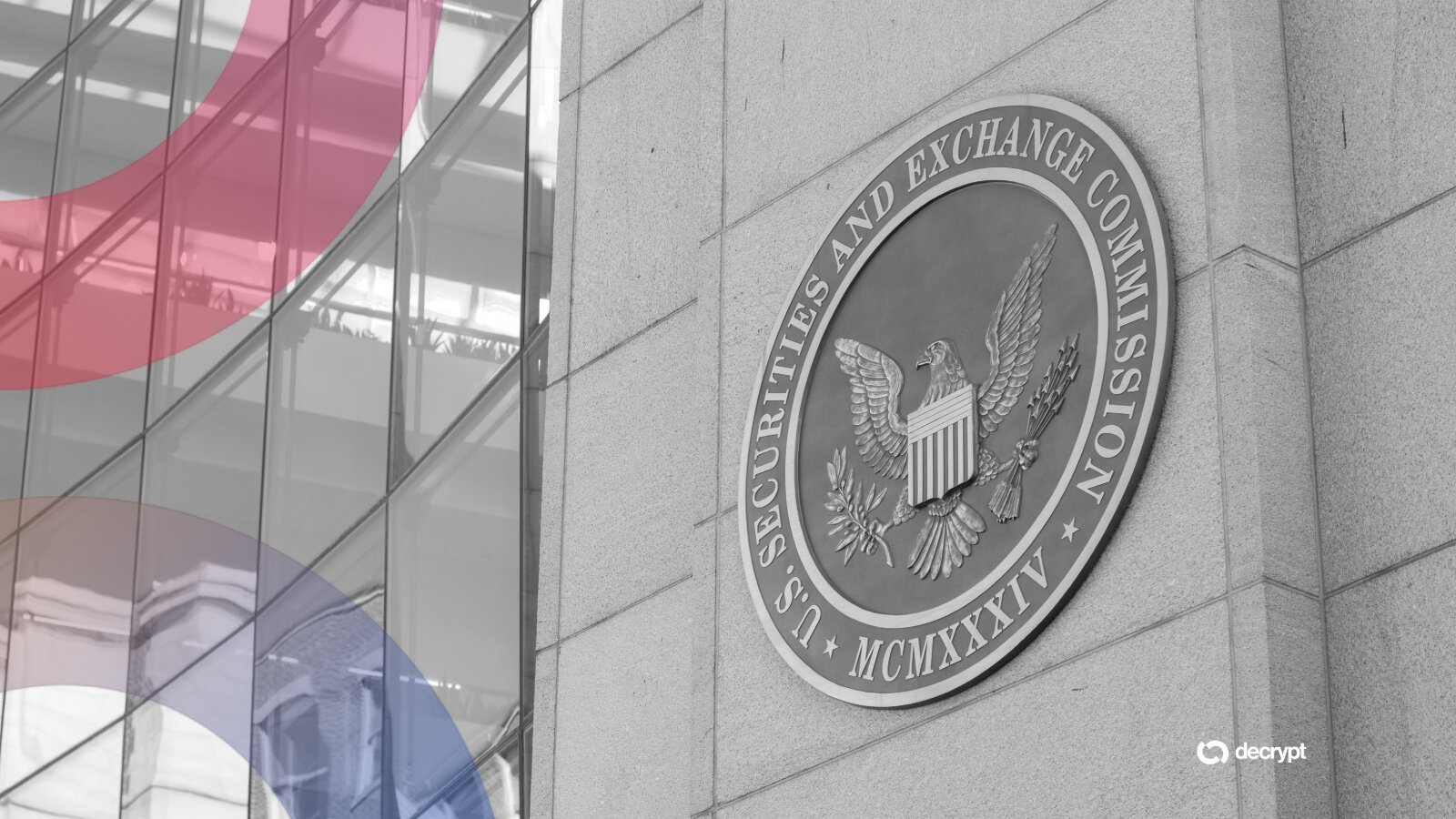
The Securities and Exchange Commission (SEC) and Commodity Futures Trading Commission (CFTC) have formalized an agreement to coordinate their approach to cryptocurrency oversight, marking a significant shift after years of jurisdictional ambiguity that has affected blockchain companies and their workforce planning.
Addressing Regulatory Overlap
The two agencies announced the pact as a solution to long-standing regulatory confusion in the digital asset space. This coordination effort aims to clarify which agency oversees specific aspects of crypto activities, a distinction that has previously created compliance challenges for companies operating in the sector.
For years, blockchain companies have navigated overlapping—and sometimes conflicting—guidance from both regulators. The SEC has generally claimed authority over digital assets it deems securities, while the CFTC has asserted jurisdiction over crypto commodities. This dual framework has complicated hiring decisions, as companies struggled to determine which regulatory expertise to prioritize when building compliance and legal teams.
Impact on Blockchain Companies
The new coordination framework should provide clearer guidance for crypto firms structuring their operations and compliance departments. Companies may now find it easier to assess their regulatory obligations and build appropriate teams accordingly, rather than maintaining redundant resources to satisfy potentially overlapping requirements from both agencies.
This development could also influence the types of roles blockchain companies prioritize. Regulatory affairs specialists, compliance officers, and legal counsel with expertise in both securities and commodities law may see increased demand as firms work to align with the coordinated oversight approach.
Workforce Implications
For professionals in the blockchain industry, this regulatory alignment represents an important development in market maturation. Clearer regulatory boundaries typically translate to more stable employment conditions as companies gain confidence in their operational frameworks.
The coordination between SEC and CFTC may also reduce the regulatory uncertainty that has previously constrained hiring at some crypto firms. With more predictable oversight, companies can make longer-term workforce commitments and expand teams with greater confidence. Professionals considering careers in blockchain should monitor how this coordination evolves, as it will likely shape the compliance and legal skill sets most valued by employers in the coming years.



