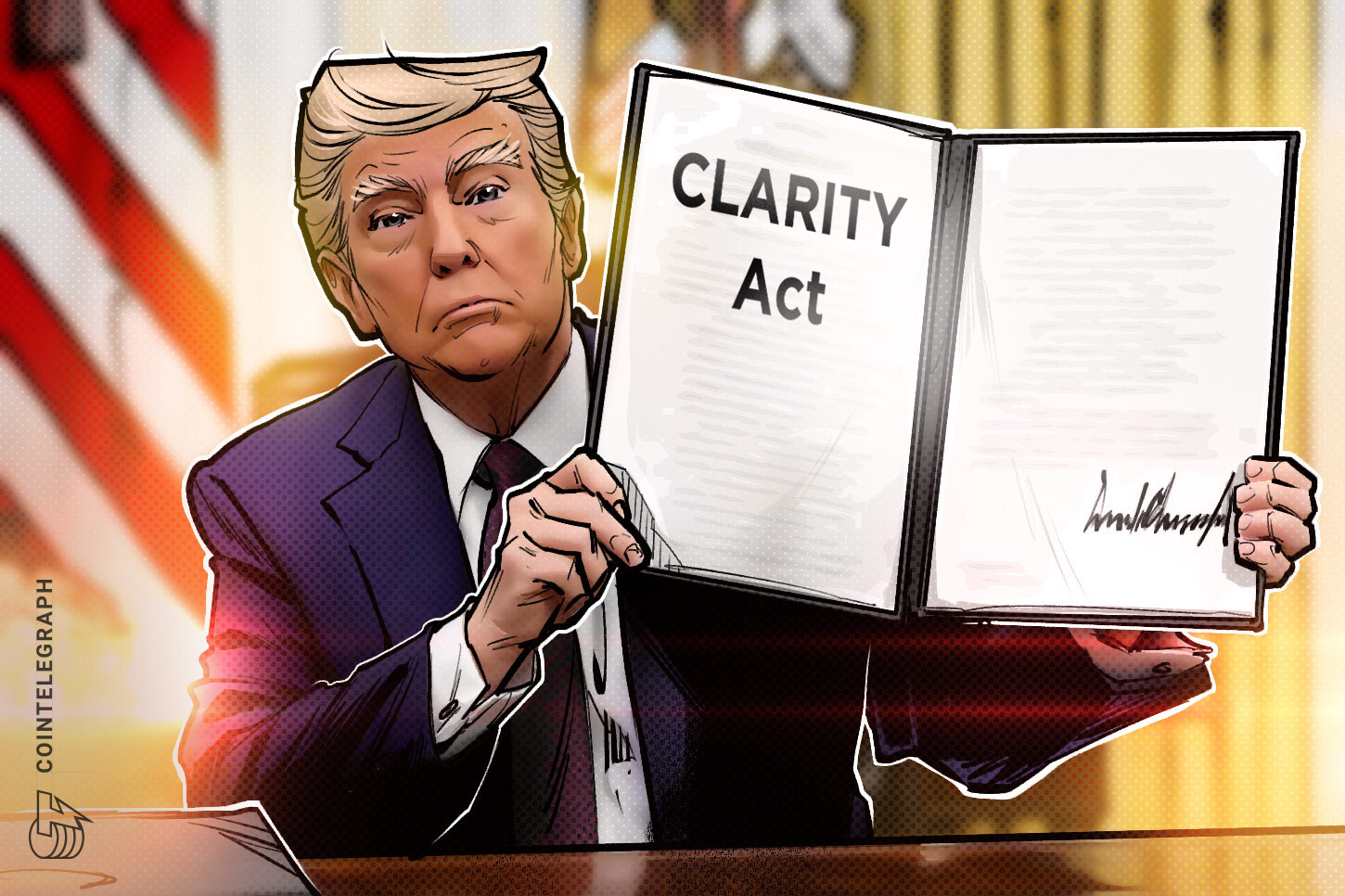
Investment firm Bernstein anticipates federal regulators will move quickly to establish new cryptocurrency regulations following the Senate's failure to advance the CLARITY Act this week. The legislative setback could signal a shift toward administrative rulemaking rather than congressional action in defining crypto oversight.
Regulatory Vacuum Creates Uncertainty
The CLARITY Act failed to achieve cloture in the Senate on Tuesday, effectively blocking the bipartisan legislation that aimed to establish clear jurisdictional boundaries between the Securities and Exchange Commission and the Commodity Futures Trading Commission. Bernstein analysts predict regulators will now compensate for this legislative stalemate by issuing new rules through administrative channels.
This development creates immediate implications for crypto companies and their compliance teams. Without congressional clarity on which digital assets fall under securities versus commodities regulation, firms must prepare for potentially conflicting guidance from both agencies. The regulatory uncertainty particularly affects hiring decisions for compliance officers, legal counsel, and regulatory affairs specialists.
Workforce Impact and Industry Response
The anticipated "aggressive" rulemaking approach from both agencies will likely accelerate demand for professionals with regulatory expertise. Companies may need to expand their legal and compliance departments to navigate the evolving regulatory landscape without clear statutory guidance.
Industry participants should expect increased scrutiny of token classifications, trading platforms, and custody arrangements. Organizations will need personnel capable of interpreting new agency rules and implementing compliance frameworks on shorter timelines than traditional legislative processes would allow.
The shift toward agency-driven regulation rather than congressional action also suggests a more fragmented approach to oversight. Web3 companies operating across multiple jurisdictions may face competing interpretations and enforcement priorities between the SEC and CFTC.
For blockchain professionals, this regulatory environment underscores the growing importance of compliance expertise alongside technical skills. Companies seeking to maintain operations in the United States will prioritize candidates who understand both crypto technology and traditional financial regulation. The demand for regulatory affairs specialists, compliance engineers, and legal professionals with dual expertise in securities and commodities law is expected to increase significantly in the coming months.


