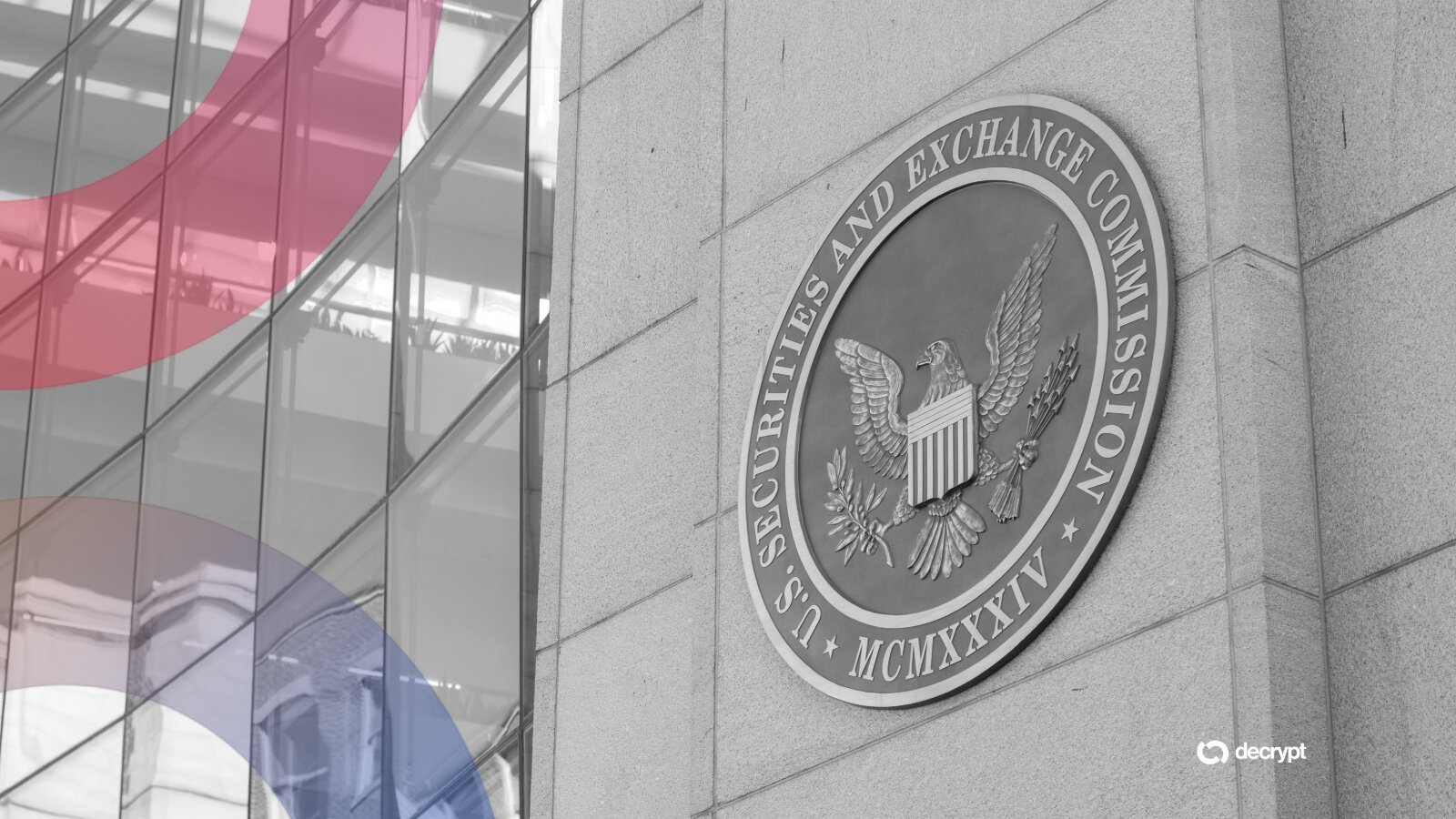
SEC Chair Paul Atkins indicated that the agency may already possess sufficient authority to regulate portions of the prediction market industry, potentially reshaping the regulatory landscape for blockchain-based forecasting platforms.
Regulatory Clarity Takes Shape
Speaking on the commission's existing powers, Atkins suggested that the SEC's current regulatory framework could extend to certain prediction market operations without requiring new legislation. This stance represents a significant development for the sector, which has seen explosive growth following recent regulatory approvals for platforms like Kalshi and Polymarket.
The prediction markets industry has operated in a regulatory gray area for years, with platforms leveraging blockchain technology to facilitate peer-to-peer forecasting on outcomes ranging from political events to economic indicators. Atkins' comments suggest the SEC may soon clarify which market segments fall under securities law.
Implications for the Crypto Sector
The potential SEC oversight could impact several areas of the blockchain ecosystem. Prediction market platforms built on Ethereum, Polygon, and other networks may need to reassess their compliance frameworks if certain trading activities are classified as securities transactions.
For companies operating in this space, the statement signals a need for enhanced legal and compliance teams. Organizations may accelerate hiring for regulatory affairs specialists, compliance officers, and legal counsel with expertise in both securities law and decentralized technologies.
The regulatory developments also affect broader decentralized finance (DeFi) protocols that incorporate prediction market features or oracle services. Projects integrating forecasting mechanisms may need to evaluate whether their products trigger securities regulations.
Workforce Considerations
As regulatory frameworks evolve, blockchain professionals should expect increased demand for expertise at the intersection of compliance and decentralized technology. Companies in the prediction market sector will likely prioritize candidates with backgrounds in securities law, risk management, and regulatory technology.
The situation underscores the ongoing maturation of the crypto industry, where regulatory clarity—while sometimes constraining—can provide the certainty institutional players require before entering new markets. For professionals in the space, this represents an opportunity to develop specialized skills in regulatory compliance that will remain valuable as the industry continues its integration with traditional financial frameworks.