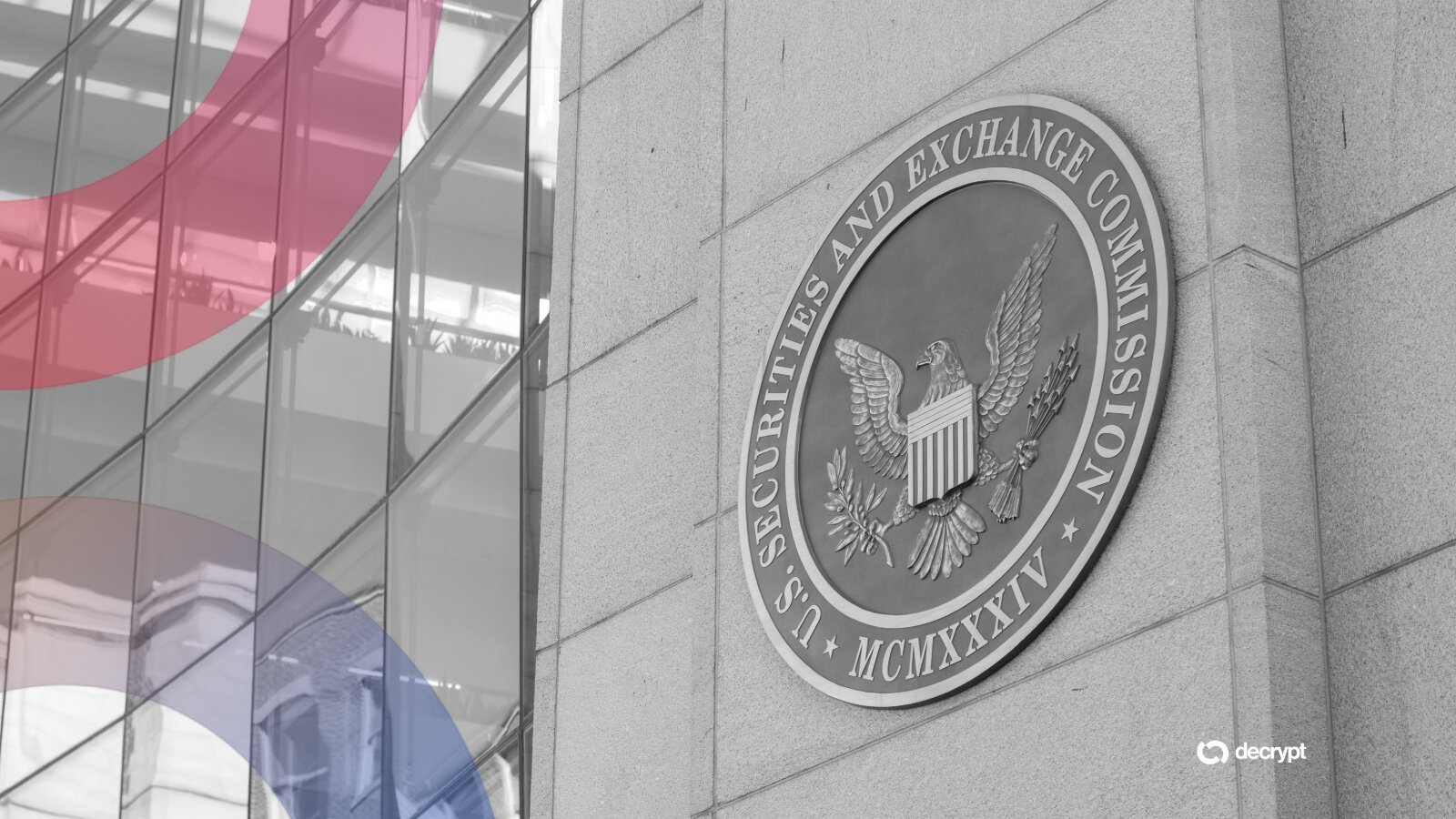
The Securities and Exchange Commission released updated guidance on decentralized finance interfaces Monday, marking a significant departure from the agency's previous enforcement-focused approach. The new policy clarifies that developers creating DeFi interfaces will face reduced regulatory scrutiny, a development that could reshape hiring priorities across the blockchain development sector.
Policy Details and Industry Response
The SEC's updated stance addresses a longstanding concern among DeFi protocol developers about regulatory exposure when building user-facing interfaces. Industry leaders quickly endorsed the policy, viewing it as a practical framework that distinguishes between protocol development and securities offerings.
This regulatory clarity arrives without congressional action, demonstrating the SEC's willingness to establish workable guidelines through administrative policy rather than waiting for legislation. For blockchain companies that have operated in regulatory uncertainty, the guidance provides a clearer foundation for compliance frameworks and product development strategies.
Workforce Implications for DeFi Teams
The policy shift carries direct implications for blockchain talent markets and organizational planning:
- Development teams building DeFi interfaces now have defined parameters for compliance, potentially reducing legal overhead costs that many startups factored into their budgets
- Compliance and legal roles in DeFi-focused companies may need to evolve as the regulatory framework becomes more permissive
- Protocol developers could see increased demand as companies feel more confident expanding their DeFi offerings
- Frontend and UX specialists working on DeFi interfaces may find expanded opportunities as regulatory concerns diminish
The guidance also suggests that companies may redirect resources previously allocated to defensive legal strategies toward product development and team expansion. Organizations that paused DeFi initiatives due to regulatory uncertainty may now accelerate hiring for previously shelved projects.
For blockchain professionals, this development underscores the evolving nature of crypto regulation and the importance of understanding compliance frameworks. Teams with expertise in both technical DeFi development and regulatory compliance will likely become increasingly valuable as companies navigate this new landscape while remaining prepared for potential future policy adjustments.


