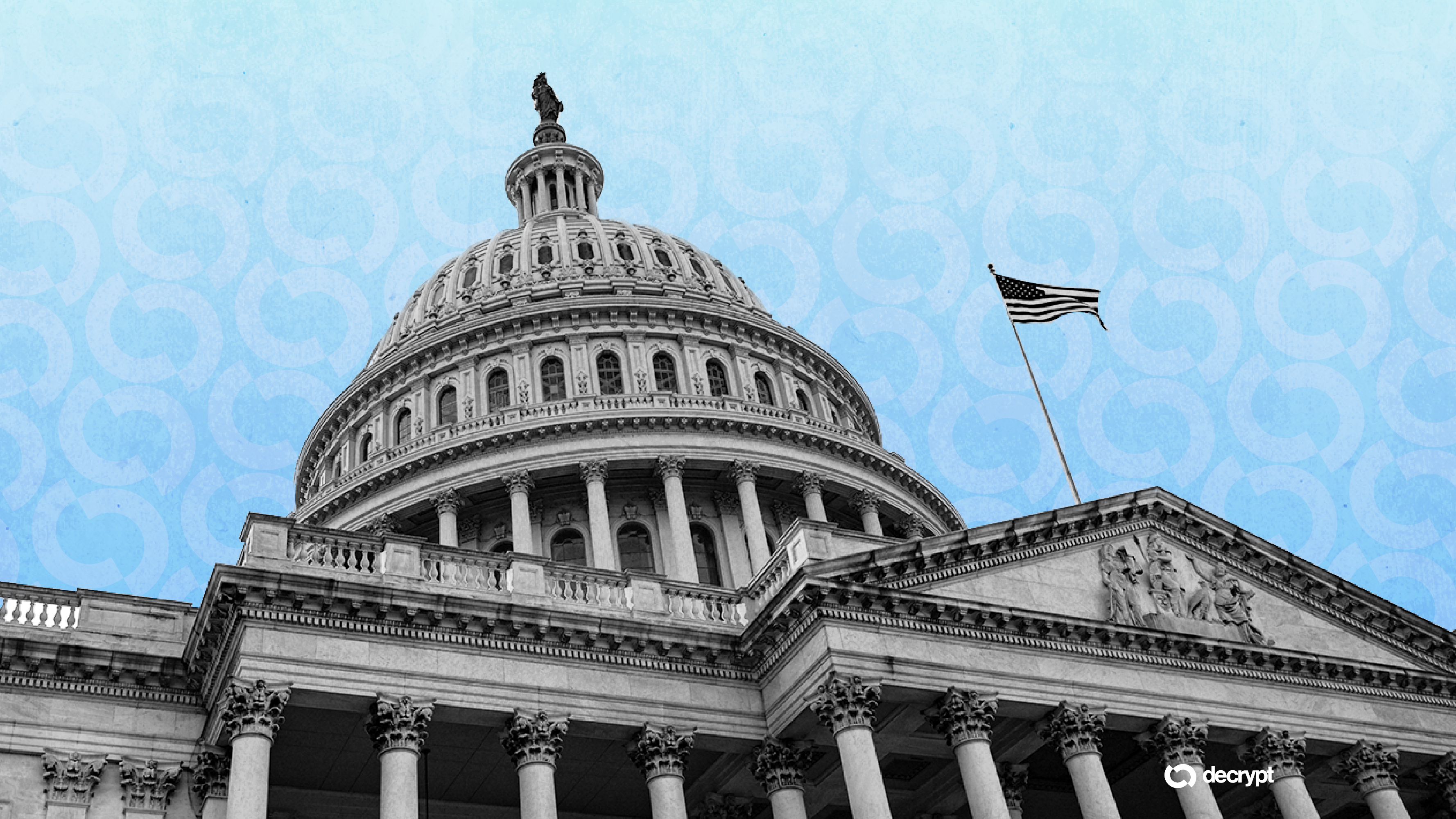
Senate Majority Leader John Thune has filed a motion to proceed with the Clarity for Payment Stablecoins Act, scheduling a pivotal vote for mid-September. The procedural move keeps the legislation alive and sets the stage for what could become the first comprehensive federal framework governing digital assets in the United States.
Legislative Timeline and Next Steps
The motion to proceed, filed early Saturday, represents a critical procedural step that allows the Senate to begin formal debate on the bill. The September vote will determine whether the legislation advances to a full Senate vote, potentially marking a significant milestone in federal crypto regulation.
The Clarity Act aims to establish clear regulatory guidelines for stablecoins and other digital assets, addressing longstanding concerns among crypto businesses about regulatory ambiguity. The bill has garnered bipartisan attention as lawmakers recognize the need for definitive rules governing the rapidly evolving digital asset sector.
Implications for the Crypto Industry
For blockchain companies and crypto professionals, the potential passage of clear regulatory standards could reshape the domestic industry landscape. Regulatory clarity has been a persistent demand from crypto employers, who have faced challenges recruiting and retaining talent amid an uncertain compliance environment.
If the legislation advances, companies operating in the U.S. market may need to adjust their compliance frameworks and potentially expand their legal and regulatory teams. This could create new opportunities for compliance professionals, regulatory affairs specialists, and legal experts with expertise in digital assets.
The vote timing in mid-September provides the industry several months to prepare for potential regulatory changes. Companies may accelerate hiring for roles related to regulatory compliance, policy advocacy, and government relations as they position themselves for the new framework.
Impact on Web3 Careers
For professionals in the crypto space, clearer regulations could stabilize the domestic job market by reducing the regulatory uncertainty that has driven some companies offshore. Established regulatory guidelines typically encourage institutional participation, which historically correlates with increased hiring and more structured career paths within the industry.
The outcome of September's vote will likely influence strategic decisions by both startups and established crypto firms regarding their U.S. operations and workforce planning for the remainder of 2025.



