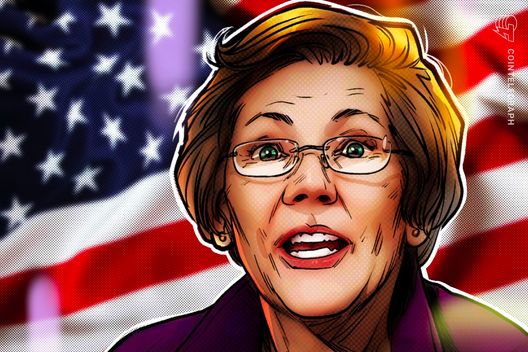
Senator Elizabeth Warren has formally questioned YouTube influencer MrBeast and his holding company CEO regarding potential cryptocurrency trading access for minors through a recently acquired banking application. The inquiry highlights growing regulatory scrutiny around crypto marketing practices targeting younger demographics.
Regulatory Focus on Youth Market Access
Warren's letter addresses concerns about whether the platform's acquisition will enable underage users to access cryptocurrency trading services. The senator's intervention comes as regulators increasingly examine how digital asset platforms market to and serve younger audiences, particularly when those platforms leverage social media influence.
The timing is significant for crypto firms and fintech companies navigating compliance frameworks. Companies building products at the intersection of traditional finance and digital assets face heightened regulatory attention, especially when their leadership includes high-profile influencers with predominantly young followings.
This scrutiny extends beyond individual platforms to broader questions about age verification systems, consumer protection standards, and marketing practices across the crypto industry. For compliance professionals and legal teams in web3, these developments signal continued regulatory focus on user protection measures.
Implications for Crypto Industry Employment
This regulatory attention creates several workforce implications for the blockchain sector. Demand for compliance officers, regulatory affairs specialists, and legal counsel with expertise in both fintech and crypto continues to grow as platforms face increased oversight.
Companies developing consumer-facing crypto products will likely need to strengthen their compliance infrastructure, creating opportunities for professionals experienced in:
- Age verification and KYC/AML protocols
- Consumer protection frameworks
- Financial services regulatory compliance
- Risk management in digital asset platforms
Additionally, marketing and communications roles in crypto increasingly require understanding of regulatory boundaries around youth-oriented content and influencer partnerships.
For blockchain professionals considering career moves, companies demonstrating proactive compliance approaches may offer more stable long-term prospects as regulatory frameworks solidify. The incident underscores how mainstream adoption of crypto products brings traditional financial services regulatory considerations into the web3 space, requiring talent that bridges both domains.



