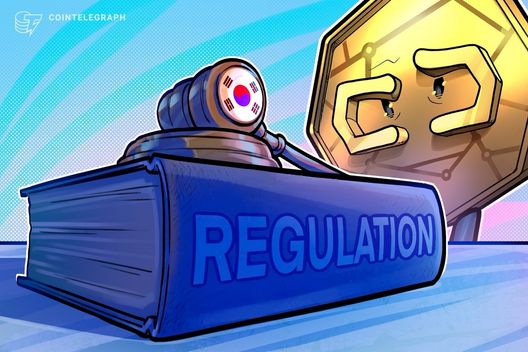
South Korean financial regulators have implemented stricter operational requirements for cryptocurrency exchanges, mandating real-time asset verification every five minutes. The new regulations from the Financial Services Commission (FSC) follow an inspection that revealed significant operational deficiencies across major domestic trading platforms.
Regulatory Response to System Weaknesses
The FSC's inspection uncovered slow reconciliation cycles and inadequate trading halt mechanisms at several prominent exchanges operating in South Korea. These findings prompted authorities to establish more rigorous verification standards designed to protect user assets and maintain market integrity.
Under the new framework, exchanges must conduct automated balance checks of customer holdings at five-minute intervals. This requirement represents a substantial operational shift from previous practices, where verification cycles occurred less frequently and with greater variation between platforms.
The regulation also addresses circuit breaker systems, requiring exchanges to implement faster trade-halting capabilities during periods of extreme volatility or suspected security incidents. Exchanges must now demonstrate their ability to freeze trading activities within minutes rather than hours.
Workforce and Operational Implications
These regulatory changes will likely drive increased demand for compliance, risk management, and systems engineering professionals within South Korea's crypto industry. Exchanges must now maintain more sophisticated monitoring infrastructure and staff teams capable of responding to real-time verification alerts.
Technical roles focused on reconciliation systems, automated monitoring tools, and database architecture will become increasingly critical as platforms upgrade their verification capabilities. Compliance officers and risk analysts will need expertise in South Korean financial regulations alongside blockchain technology fundamentals.
The stricter requirements may also accelerate consolidation in the South Korean exchange market, as smaller platforms struggle to meet the technical and staffing demands of continuous verification systems. This could redirect talent toward larger, better-resourced exchanges or prompt specialists to pursue consulting roles helping multiple platforms achieve compliance.
For blockchain professionals considering opportunities in Asian markets, South Korea's regulatory approach signals a maturing industry environment where operational excellence and compliance expertise carry premium value alongside technical blockchain skills.



