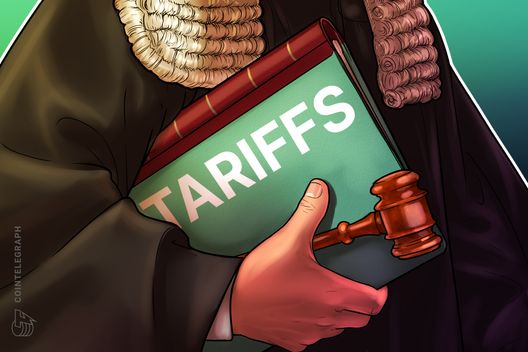
The US Supreme Court has struck down President Donald Trump's tariff proposals, a decision that may reshape economic policy directions affecting the broader financial sector, including cryptocurrency and blockchain companies operating in the United States.
Court Decision and Economic Context
The Supreme Court's ruling blocks tariffs that Trump had promoted as a mechanism to address the nation's $38 trillion national debt. The administration had positioned these trade measures as a revenue-generating tool, though economists and legal experts had raised questions about their constitutional basis and economic efficacy.
The decision creates uncertainty for businesses across sectors, including blockchain and crypto companies that have been monitoring potential shifts in US trade and economic policy. Many digital asset firms maintain international operations and partnerships that could be affected by changes in trade frameworks.
Implications for Alternative Policy Approaches
Following the court's decision, reports indicate the administration is exploring alternative economic strategies. While specific details remain unclear, any pivot in fiscal policy could impact the regulatory and business environment for crypto companies operating in the US market.
The crypto industry has grown increasingly sensitive to macroeconomic policy shifts, particularly those affecting dollar strength, international trade relationships, and government revenue strategies. Changes in these areas can influence institutional investment patterns and cross-border blockchain operations.
What This Means for Web3 Professionals
For professionals in the blockchain and cryptocurrency sector, this development underscores the ongoing intersection between traditional economic policy and the digital asset ecosystem. Companies may need to adjust strategic planning around international expansion, partnership structures, and regulatory compliance frameworks depending on what alternative policies emerge.
Professionals working in compliance, legal, and business development roles should monitor how the administration's next moves affect crypto regulatory priorities and international operations. The ruling also highlights the continued importance of policy expertise within crypto organizations as they navigate an evolving legal and economic landscape.
As the administration considers alternative approaches, blockchain companies and their teams should prepare for potential shifts in the broader economic environment that shapes hiring decisions, expansion strategies, and operational priorities in the coming months.