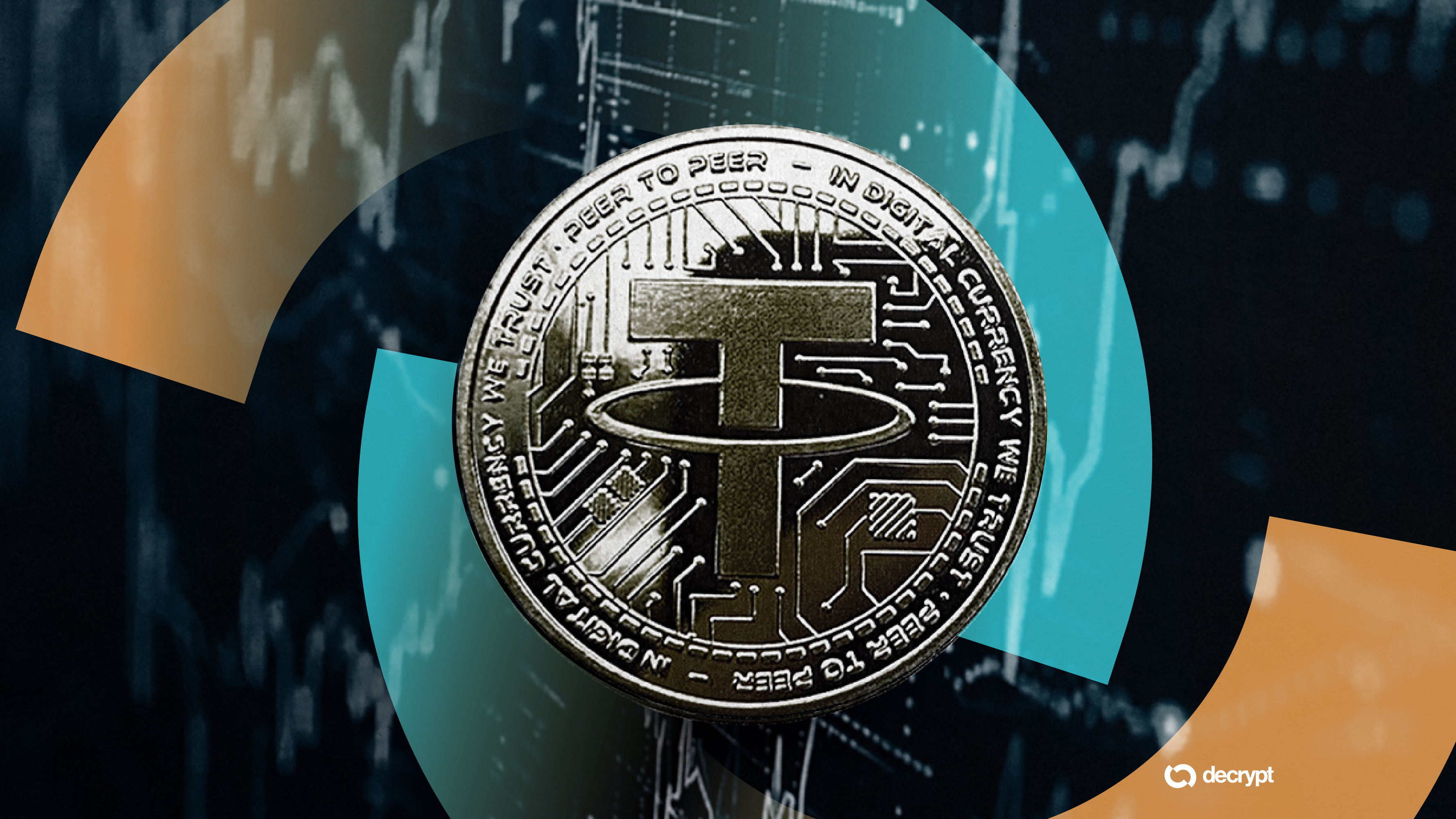
Tether has engaged KPMG, one of the Big Four accounting firms, to conduct its first major audit as the stablecoin issuer positions itself for expansion within the United States regulatory landscape. The company has also brought on PwC to strengthen its internal systems ahead of seeking approval under the proposed GENIUS Act.
Audit Infrastructure Signals Compliance Push
The appointment of KPMG represents a significant shift in Tether's transparency approach. The stablecoin issuer, which operates USDT—the largest stablecoin by market capitalization—has historically relied on smaller accounting firms for attestations rather than comprehensive audits from major international firms.
This move aligns with broader industry trends as U.S. lawmakers develop clearer frameworks for stablecoin regulation. The GENIUS Act, currently under consideration, would establish federal oversight requirements for stablecoin issuers, including stringent audit and reserve standards.
By engaging both KPMG for auditing and PwC for internal controls, Tether demonstrates its commitment to meeting institutional-grade compliance standards that U.S. regulators are expected to require.
Implications for Crypto Industry Growth
Tether's regulatory preparation could influence hiring patterns across the stablecoin sector and broader crypto industry. Companies seeking to operate in regulated markets will need professionals with expertise in:
- Financial compliance and regulatory affairs
- Risk management and internal controls
- Accounting standards for digital assets
- Legal frameworks for stablecoin operations
The involvement of Big Four firms also signals growing acceptance of crypto companies within traditional finance circles. This integration creates opportunities for professionals with backgrounds in both traditional finance and blockchain technology, as companies require talent who can navigate both worlds.
For web3 professionals, Tether's moves underscore the maturation of the stablecoin market. As regulatory frameworks solidify, companies will increasingly prioritize compliance expertise alongside technical blockchain skills. Professionals who develop knowledge of emerging stablecoin regulations and audit requirements will find themselves well-positioned in a market that's transitioning from innovation-focused growth to regulatory-compliant scaling.



