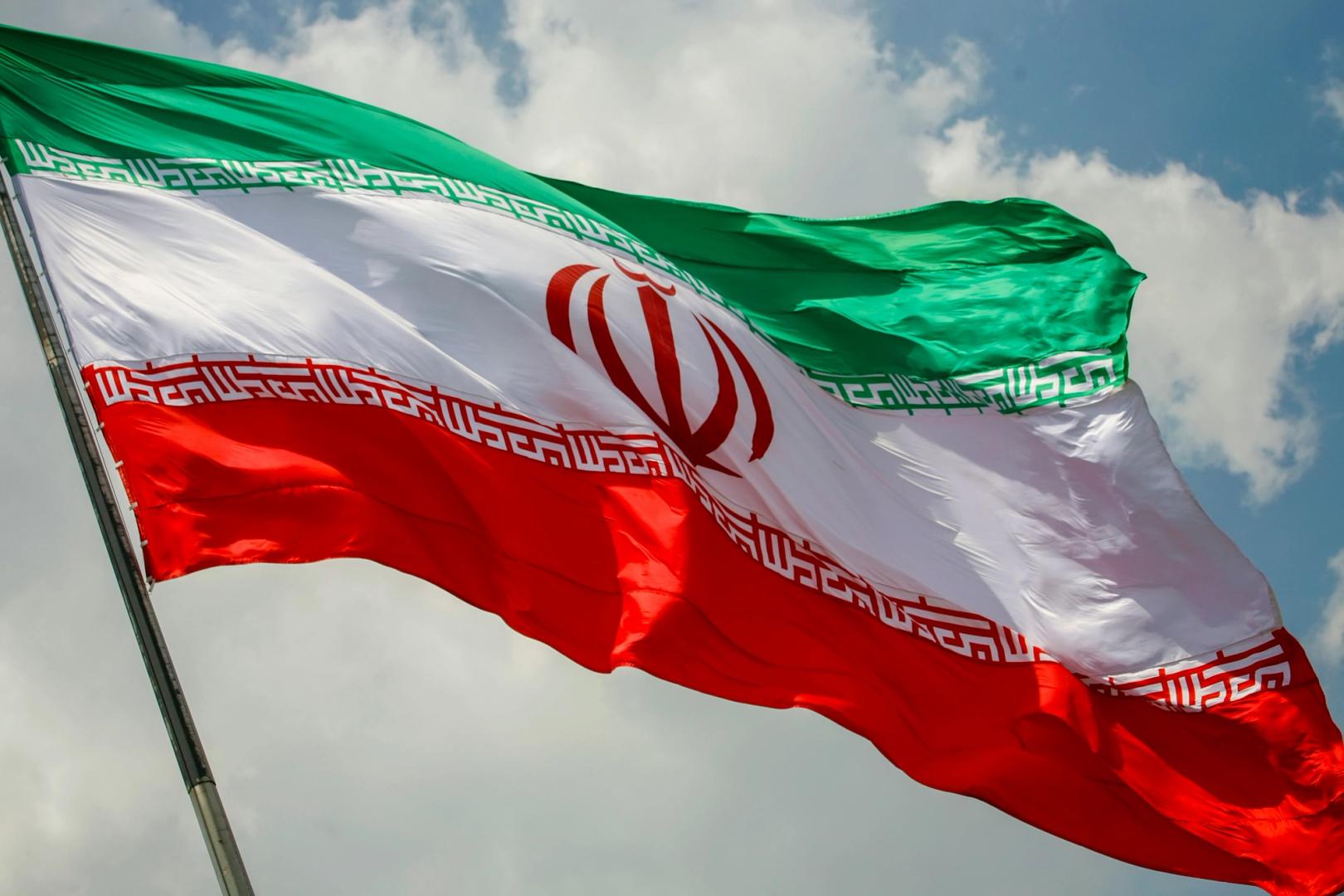
Tether has frozen $344 million worth of USDT tokens as part of coordinated U.S. sanctions enforcement targeting Iran's financial networks. The action demonstrates the stablecoin issuer's growing role in implementing sanctions compliance, a development that carries significant implications for the crypto industry's regulatory infrastructure and compliance workforce demands.
Sanctions Enforcement in the Stablecoin Sector
The freeze marks one of the largest single actions by Tether to date and aligns with the U.S. Treasury Department's "Economic Fury" initiative targeting Iranian regime financing. Tether blacklisted multiple wallet addresses identified by U.S. authorities, preventing the movement of funds held in USDT, the world's largest stablecoin by market capitalization.
This action underscores the technical capability and willingness of centralized stablecoin issuers to enforce government sanctions. While Tether has previously frozen smaller amounts linked to illicit activity, the scale of this freeze signals an intensifying collaboration between crypto infrastructure providers and regulatory authorities.
Impact on Crypto Compliance Operations
The incident highlights the expanding role of compliance functions within crypto organizations. Companies operating in the stablecoin and digital asset space now require sophisticated sanctions screening capabilities and dedicated teams to monitor wallet addresses against government blacklists.
For professionals in the sector, this development reinforces the critical need for blockchain forensics expertise, regulatory compliance knowledge, and the ability to implement real-time monitoring systems. Organizations are increasingly seeking candidates with experience in traditional financial compliance who can adapt those skills to decentralized networks.
The freeze also raises questions about the balance between decentralization principles and regulatory compliance that many crypto professionals navigate daily. Companies must maintain operational efficiency while implementing controls that satisfy government requirements across multiple jurisdictions.
Workforce Implications
As regulatory scrutiny intensifies, demand continues to grow for compliance officers, legal advisors, and blockchain analysts who can help crypto companies navigate sanctions requirements. The ability to implement and manage wallet blacklisting systems, conduct chain analysis, and coordinate with law enforcement agencies represents an increasingly valuable skill set in the industry.
For web3 professionals, this event reinforces that regulatory compliance remains a priority area for hiring and career development across the crypto sector.