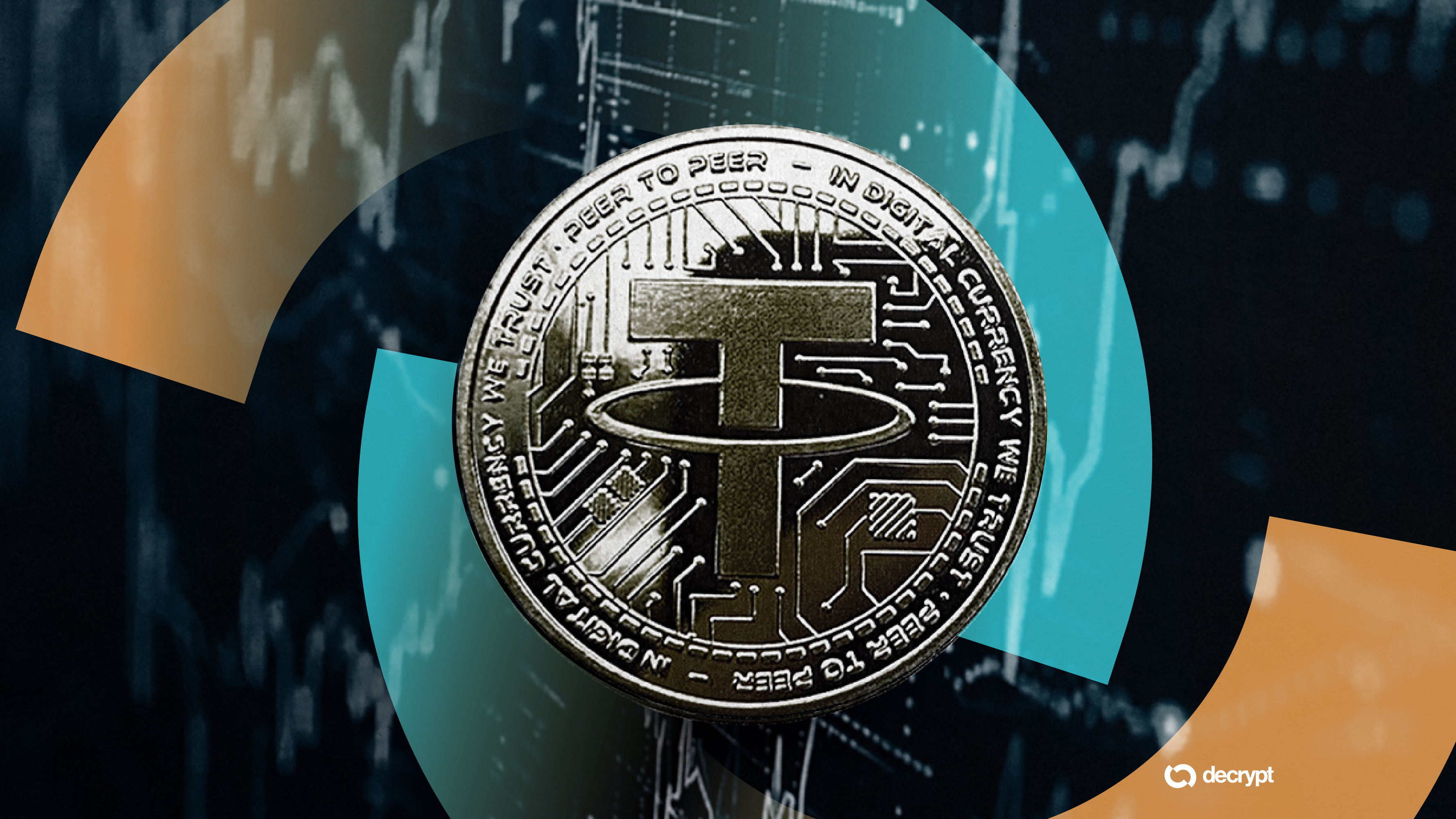
Tether, the issuer of the world's largest stablecoin USDT, has launched a self-custodial wallet designed to streamline cryptocurrency transactions through simplified user identifiers. The new wallet supports multiple assets including USDT, Bitcoin, and Tether's gold-backed tokens, marking the company's expansion beyond stablecoin issuance into user-facing infrastructure.
Simplifying Crypto Transactions
The wallet introduces an email-like identifier system that allows users to send and receive cryptocurrencies without managing complex blockchain addresses. This user experience improvement addresses a longstanding barrier to mainstream crypto adoption that has historically required specialized knowledge from both developers and end users.
The self-custodial design means users maintain full control of their private keys, distinguishing it from custodial exchange wallets where third parties hold user assets. This approach aligns with web3's core principles while attempting to deliver a more accessible interface for non-technical users.
The wallet's support for multiple asset types—from stablecoins to Bitcoin and tokenized commodities—reflects the increasingly diverse landscape that blockchain professionals must navigate when building products and services.
Industry Implications
For web3 professionals, Tether's move into wallet infrastructure signals several industry trends. First, major crypto infrastructure providers are vertically integrating to control more of the user experience stack. This shift creates both opportunities and competition for wallet developers and UX specialists in the space.
Second, the focus on simplified identifiers demonstrates continued demand for developers who can bridge complex blockchain technology with consumer-grade user experiences. Companies across the sector need talent capable of abstracting technical complexity without sacrificing security or decentralization.
The launch also reinforces the need for security professionals specializing in self-custodial solutions, as protecting user-controlled private keys remains a critical challenge as wallets become more accessible to mainstream users.
As established players like Tether build comprehensive product ecosystems, blockchain professionals should expect increased competition for talent skilled in wallet development, cryptographic security, and cross-chain functionality. The wallet infrastructure space continues to evolve rapidly, creating sustained demand for specialized engineering and product roles.


