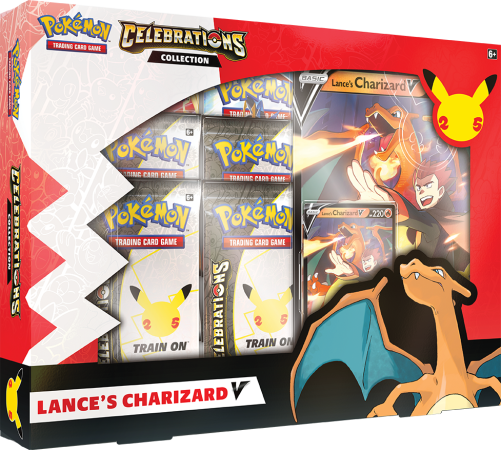
Tokenized Pokémon Trading Card Game marketplaces are experiencing significant trading activity, approaching historical highs and demonstrating that blockchain-based collectibles platforms can sustain long-term utility beyond initial speculation. The growth reflects a shift in how tokenization serves the collectibles market, with platforms functioning as liquidity infrastructure rather than purely speculative venues.
Market Performance Indicates Sector Maturation
Trading volumes for tokenized Pokémon cards have climbed steadily, nearing peak levels last seen during previous market cycles. The sustained activity suggests that tokenization has found product-market fit within the physical collectibles space, particularly for high-value trading card markets where authenticity verification and liquidity remain persistent challenges.
Unlike previous waves of NFT activity driven primarily by speculation, current platforms integrating physical Pokémon cards with blockchain tokens are addressing fundamental market inefficiencies. The tokenization layer provides liquidity wrappers that enable fractional ownership, easier price discovery, and streamlined transactions for physical assets that traditionally required specialized dealers and authentication services.
Implications for Web3 Product Development
The success of these platforms offers lessons for blockchain professionals working on real-world asset (RWA) tokenization projects. Teams building tokenization infrastructure must focus on solving concrete market problems rather than creating speculative instruments. The Pokémon card marketplace demonstrates that blockchain technology adds value when it improves accessibility and reduces friction in existing markets with proven demand.
For developers and product managers in the space, this evolution represents a template for sustainable tokenization projects. The platforms succeeding in this vertical have prioritized custodial security, authentication processes, and user experience over token mechanics designed purely for price appreciation.
Workforce Considerations
The maturation of tokenized collectibles platforms creates demand for professionals with hybrid expertise spanning blockchain development, marketplace operations, and traditional collectibles markets. Companies building in this space need talent that understands both smart contract architecture and the specific requirements of physical asset custody and authentication.
As tokenization expands beyond collectibles into other asset classes, professionals who can bridge traditional asset markets with blockchain infrastructure will find increasing opportunities across the web3 ecosystem.



