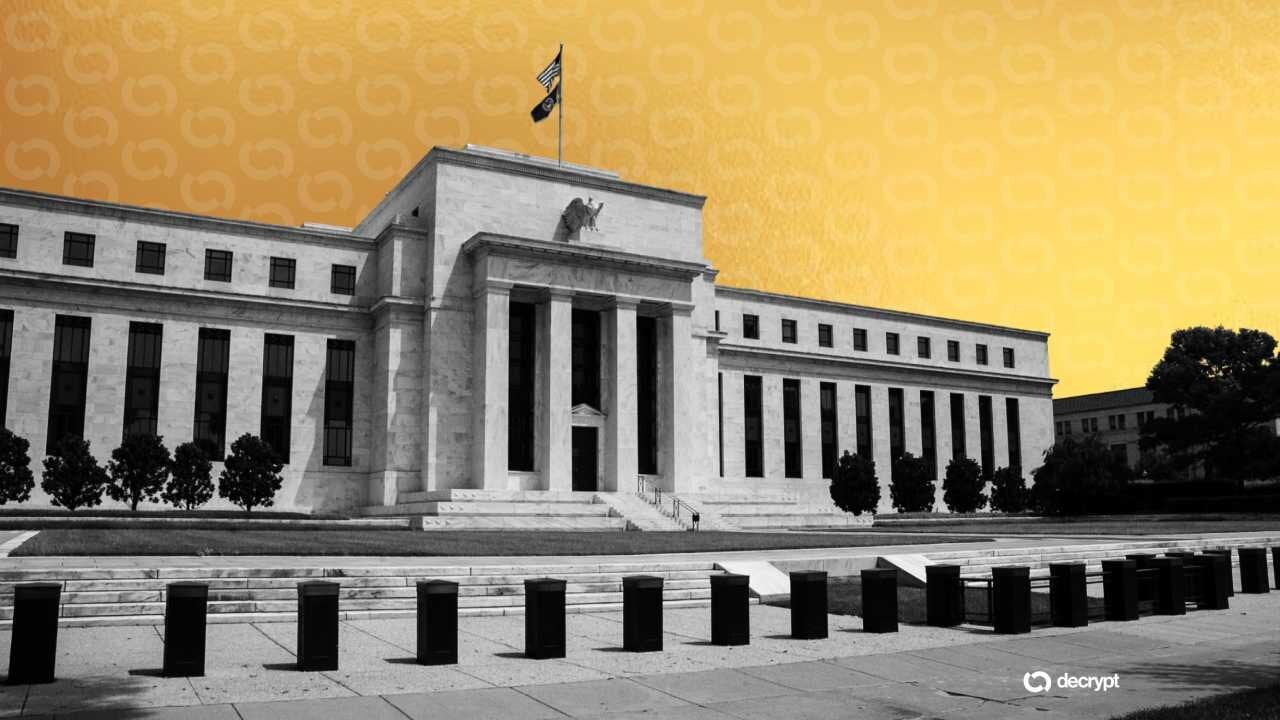
Kraken Financial achieved a significant milestone this week by becoming the first cryptocurrency-focused institution to secure a Federal Reserve master account. The approval marks a watershed moment for crypto's integration into traditional finance, though it has drawn immediate opposition from established banking organizations questioning the decision's prudence and regulatory implications.
Banking Industry Pushback
Traditional banking groups have voiced strong concerns about the Federal Reserve's decision to grant Kraken Financial master account access. These industry bodies argue that the approval sets a problematic precedent for crypto firms seeking to operate within the traditional banking infrastructure.
The criticism centers on questions about regulatory oversight and risk management standards applied to cryptocurrency institutions compared to conventional banks. Banking associations contend that crypto firms may not face the same stringent requirements that traditional financial institutions must satisfy to access Federal Reserve services.
Master accounts provide direct access to Federal Reserve payment systems, including wire transfers and automated clearing house transactions. This access traditionally required banks to meet extensive regulatory standards and undergo rigorous compliance reviews.
Implications for Crypto Industry Integration
Despite the controversy, Kraken Financial's approval represents a meaningful step toward legitimizing cryptocurrency businesses within the established financial system. The decision could pave the way for other crypto firms to pursue similar regulatory pathways, potentially reshaping how digital asset companies integrate with traditional banking infrastructure.
For blockchain and financial services professionals, this development signals evolving institutional acceptance of crypto operations. Companies that successfully navigate traditional banking regulations may gain competitive advantages in serving customers who require seamless movement between fiat and digital assets.
The opposition from banking groups also highlights ongoing tensions between traditional finance and crypto sectors. This friction may create demand for professionals who understand both regulatory frameworks and blockchain technology, as firms work to bridge these two financial ecosystems.
As regulatory clarity around crypto banking continues to develop, professionals with expertise in compliance, risk management, and financial technology integration will likely find expanded opportunities. The Kraken Financial approval demonstrates that crypto firms willing to meet traditional banking standards can achieve mainstream financial system access, though navigating political and industry resistance remains an ongoing challenge.


