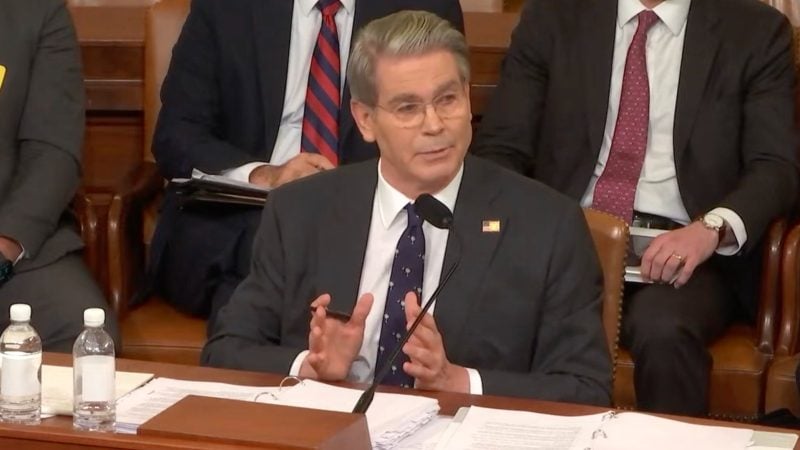
The U.S. Treasury Department has introduced joint regulatory proposals targeting stablecoin issuers, marking a significant development in the oversight of digital asset companies. The proposed rules from the Office of Foreign Assets Control (OFAC) and the Financial Crimes Enforcement Network (FinCEN) aim to strengthen anti-money laundering (AML) protections and sanctions enforcement across the stablecoin sector.
Regulatory Requirements Take Shape
The joint proposal establishes formal compliance obligations for companies issuing stablecoins, bringing them under the same regulatory framework that governs traditional financial institutions. The rules would require stablecoin issuers to implement robust AML programs, conduct customer due diligence, and maintain transaction monitoring systems to detect suspicious activity.
OFAC's portion of the framework focuses on sanctions compliance, mandating that issuers screen transactions and block dealings with sanctioned entities or individuals. FinCEN's requirements center on reporting obligations and establishing internal controls to prevent illicit finance.
Impact on Web3 Companies and Workforce
These regulatory developments carry substantial implications for blockchain companies and professionals working in stablecoin operations. Organizations issuing or planning to launch stablecoins will need to expand their compliance teams significantly, creating demand for professionals with expertise in regulatory compliance, AML procedures, and blockchain technology.
The proposals signal a maturing regulatory environment that requires web3 companies to adopt traditional financial services infrastructure. This shift necessitates professionals who can bridge both worlds—understanding blockchain technology while implementing established compliance frameworks.
Companies will likely seek compliance officers, legal specialists, and risk management professionals familiar with both crypto assets and traditional financial regulations. Technical teams will need to develop systems capable of meeting reporting requirements while maintaining blockchain functionality.
For professionals in the stablecoin sector, these rules underscore the importance of cross-disciplinary skills. Understanding regulatory requirements alongside technical blockchain knowledge will become increasingly valuable as the industry moves toward clearer compliance standards. The proposals represent another step in integrating digital assets into the regulated financial system, reshaping career paths and organizational structures across the web3 workforce.


