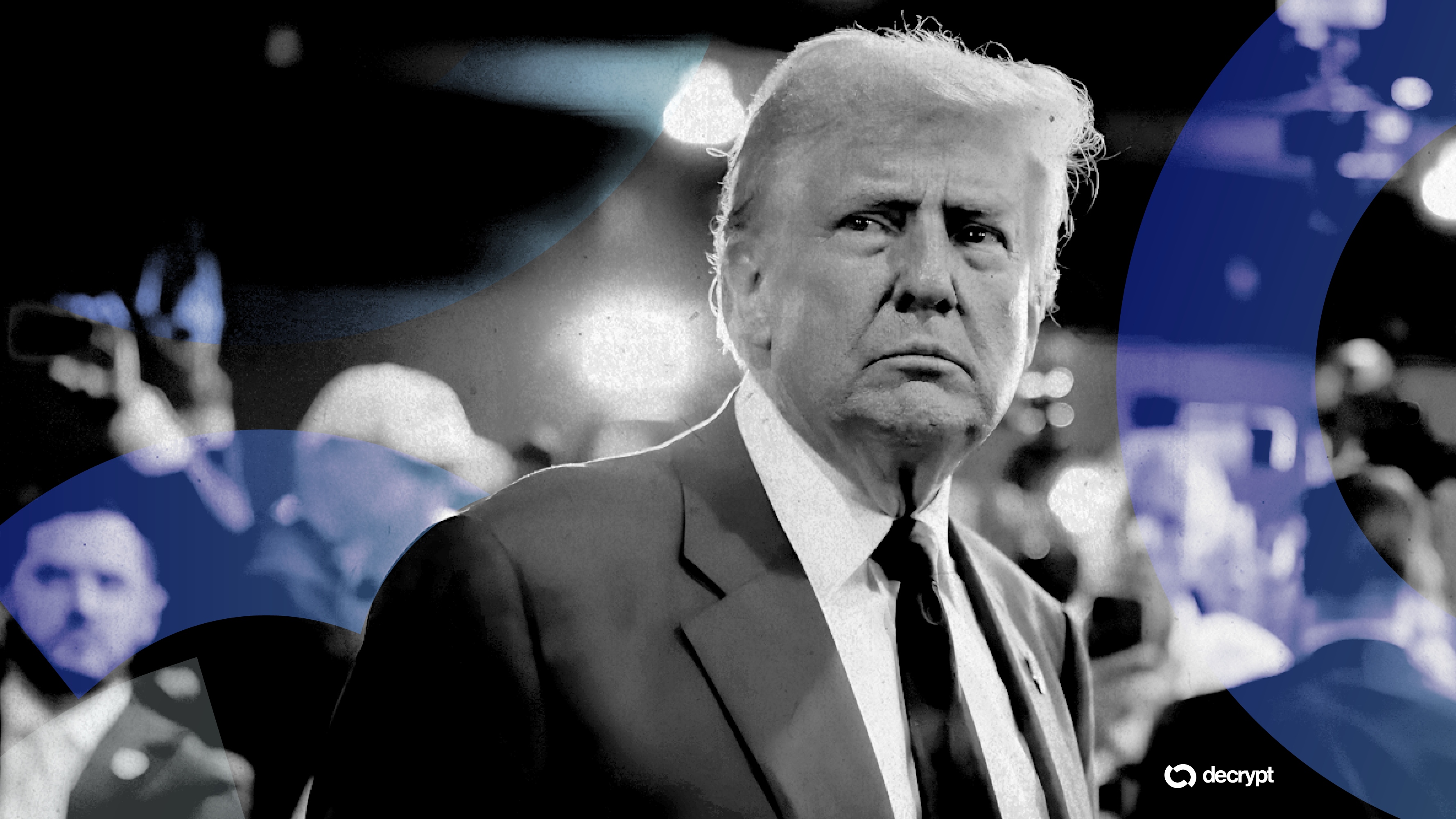
President Trump has named Meta CEO Mark Zuckerberg and Nvidia CEO Jensen Huang to a newly formed White House technology and science advisory council, positioning two influential tech leaders to shape federal policy on emerging technologies including artificial intelligence and blockchain.
Industry Leaders Join Federal Advisory Role
The advisory council brings together executives from major technology companies to counsel the administration on technology policy decisions. Zuckerberg's appointment marks a notable shift in his relationship with the administration, while Huang's inclusion reflects Nvidia's dominant position in AI infrastructure—hardware that also powers much of the crypto mining and blockchain validation ecosystem.
The council's formation signals potential policy changes across multiple technology sectors. For blockchain professionals, this development carries particular significance given Meta's history with digital currency initiatives and Nvidia's foundational role in providing GPU hardware for cryptocurrency operations.
Implications for Crypto and Blockchain Policy
The composition of this advisory body suggests the administration is seeking direct input from executives whose companies intersect with Web3 technologies. Meta previously attempted to launch its Libra (later Diem) stablecoin project before abandoning it amid regulatory pressure. Nvidia's chips remain essential infrastructure for proof-of-work blockchains and AI applications increasingly integrated with decentralized systems.
Policy decisions emerging from this council could affect hiring patterns across the blockchain industry. Clearer regulatory frameworks or federal support for specific technology areas often correlate with increased hiring activity and expansion of development teams. Conversely, restrictive policies could redirect talent toward other technology sectors.
What This Means for Web3 Professionals
For blockchain and crypto professionals, this advisory council represents a direct channel between major tech companies and federal policymakers. While the council's specific priorities remain unclear, its formation indicates emerging technologies will receive high-level attention within the administration.
Industry professionals should monitor policy developments stemming from this group, as they may influence project viability, compliance requirements, and demand for specialized skills. Companies building at the intersection of AI and blockchain may find particular relevance in guidance from leaders whose firms operate in both domains.


