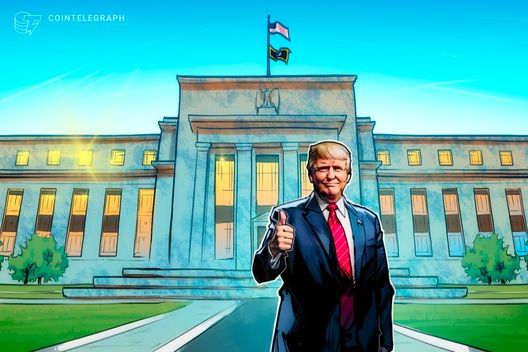
President Donald Trump has formally submitted his nomination of Kevin Warsh to the Senate for confirmation as Federal Reserve Chair, following his initial announcement on January 30 via social media. The nomination marks a potential shift in the central bank's approach to digital assets and monetary policy that could reshape the regulatory landscape for blockchain professionals.
Warsh's Stance on Digital Assets
Warsh, who previously served on the Federal Reserve Board of Governors from 2006 to 2011, has expressed supportive views toward Bitcoin and blockchain technology. His nomination signals a departure from the current Fed leadership's cautious approach to cryptocurrencies. If confirmed, Warsh would replace Jerome Powell, whose term has been characterized by traditional monetary policy positions and limited engagement with digital asset markets.
The potential leadership change comes at a critical juncture for the crypto industry, as regulatory clarity remains a top concern for companies operating in the blockchain space. A Fed chair with favorable views on Bitcoin could influence broader regulatory frameworks and interagency coordination on digital asset policy.
Implications for the Blockchain Industry
Warsh's confirmation process will likely include scrutiny of his positions on central bank digital currencies (CBDCs), stablecoin regulation, and the role of cryptocurrencies in the financial system. His appointment could accelerate institutional adoption of digital assets by providing clearer signals from one of the world's most influential central banks.
For blockchain professionals and companies in the crypto sector, this nomination represents a potentially favorable development in the ongoing dialogue between traditional finance and digital assets. The Senate confirmation process will provide additional insights into how a Warsh-led Fed might approach monetary policy in an era of increasing digital currency adoption.
Industry observers should monitor the confirmation hearings closely, as statements made during the process could offer guidance on future regulatory approaches and policy priorities. For companies building in the crypto space, this transition period may present opportunities to engage with policymakers and shape the regulatory environment that will govern the industry's next phase of growth.


