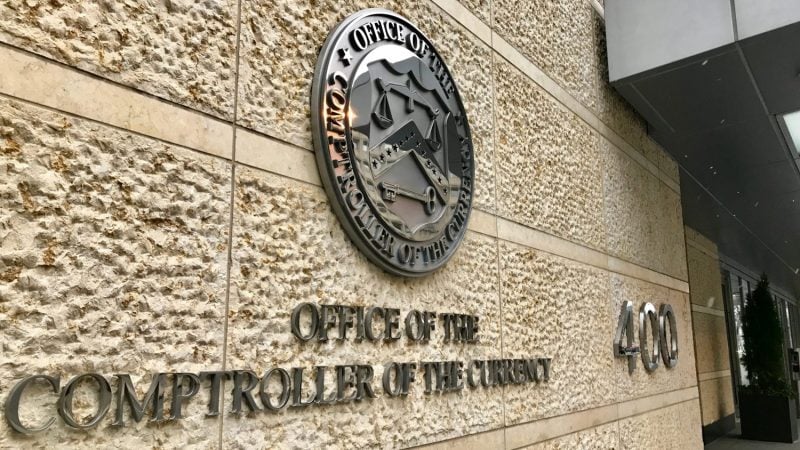
The Office of the Comptroller of the Currency (OCC) has opened a public comment period on its proposed framework for implementing the GENIUS Act, federal legislation aimed at establishing regulatory clarity for digital assets in the banking sector. The move signals an important step toward defined regulatory standards that could reshape how banks engage with crypto businesses and services.
Regulatory Framework Takes Shape
The OCC's proposal outlines how national banks and federal savings associations will operate under the new legislation once it takes effect. The GENIUS Act implementation deadline is set for January 18, 2027, giving the industry 18 months from enactment to prepare for the new regulatory environment.
The regulator is actively soliciting feedback from industry stakeholders, including financial institutions, crypto companies, and technology providers. This public comment period represents a critical opportunity for blockchain professionals and employers to influence the final regulatory framework that will govern digital asset activities in traditional banking.
The proposal addresses key operational questions around custody services, transaction processing, and compliance requirements for banks serving crypto clients. These clarifications could significantly impact hiring needs across both traditional financial institutions and crypto-native companies.
Implications for the Crypto Workforce
The regulatory clarity provided by the GENIUS Act implementation could drive substantial hiring activity in several key areas. Banks preparing for compliance will need blockchain developers, digital asset compliance specialists, and professionals with cross-sector expertise in both traditional finance and crypto.
Financial institutions have historically been cautious about crypto-related services due to regulatory uncertainty. A clear framework should enable banks to expand digital asset offerings more confidently, creating new roles in product development, risk management, and customer-facing positions.
For crypto professionals, this development suggests growing opportunities within established financial institutions. Banks will likely seek talent with proven experience in blockchain technology, smart contract security, and crypto custody solutions. Compliance professionals with knowledge of both banking regulations and digital asset frameworks will be particularly valuable as institutions navigate the new requirements.
The 18-month implementation timeline gives both employers and job seekers time to prepare for the shifting landscape, whether through upskilling initiatives, strategic hiring, or organizational restructuring to meet the forthcoming standards.


