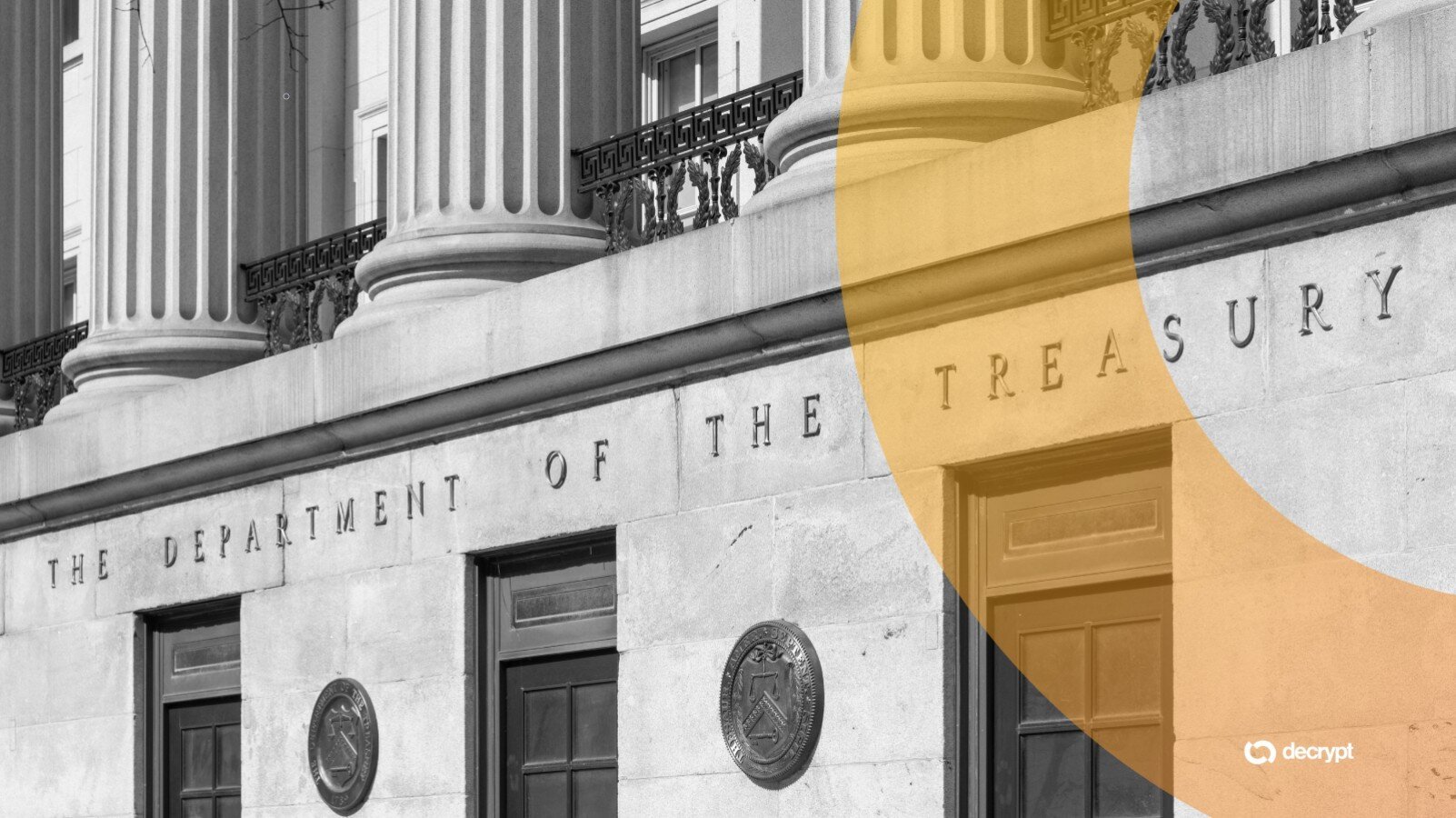
The US Department of the Treasury is calling on Congress to grant cryptocurrency exchanges legal authority to temporarily freeze suspicious funds while law enforcement obtains warrants. The proposal aims to provide regulatory clarity for platforms navigating compliance obligations while addressing concerns about illicit financial activity in the digital asset space.
Proposed Framework for Fund Freezing
The Treasury's recommendation would create a legal framework allowing crypto platforms to hold potentially suspicious assets without facing liability concerns. Under the proposed system, exchanges could temporarily restrict account access or freeze transactions when they identify red flags, giving investigators time to secure proper legal authorization.
This authority would mirror existing practices in traditional finance, where banks routinely freeze accounts pending investigation. Currently, crypto platforms operate in a gray area—they face pressure to prevent illicit activity but lack clear legal protection when taking preventive action. The proposal seeks to resolve this tension by establishing defined procedures and timeframes for temporary holds.
The measure responds to ongoing debates about cryptocurrency's role in money laundering, sanctions evasion, and other financial crimes. Regulators have increasingly focused on compliance requirements for exchanges, with enforcement actions becoming more common against platforms that fail to implement adequate controls.
Implications for Crypto Industry Employment
For blockchain professionals, this development signals continued regulatory maturation of the crypto sector. Compliance roles at cryptocurrency exchanges are likely to expand as platforms prepare to implement more sophisticated monitoring and freezing capabilities.
The proposal particularly impacts professionals in:
- Compliance and risk management positions
- Legal and regulatory affairs teams
- Blockchain analytics and investigation roles
- Customer support functions handling frozen accounts
- Engineering teams building compliance infrastructure
Exchanges will need personnel experienced in both cryptocurrency operations and traditional financial compliance frameworks. This creates opportunities for professionals who can bridge both worlds, particularly those with backgrounds in anti-money laundering (AML) and know-your-customer (KYC) procedures.
As regulatory requirements evolve, crypto platforms are positioning themselves closer to traditional financial institutions in terms of operational structure. This shift suggests steadier, more institutionalized career paths for professionals entering the industry, though it also means adapting to increased oversight and compliance responsibilities that define mainstream financial services.