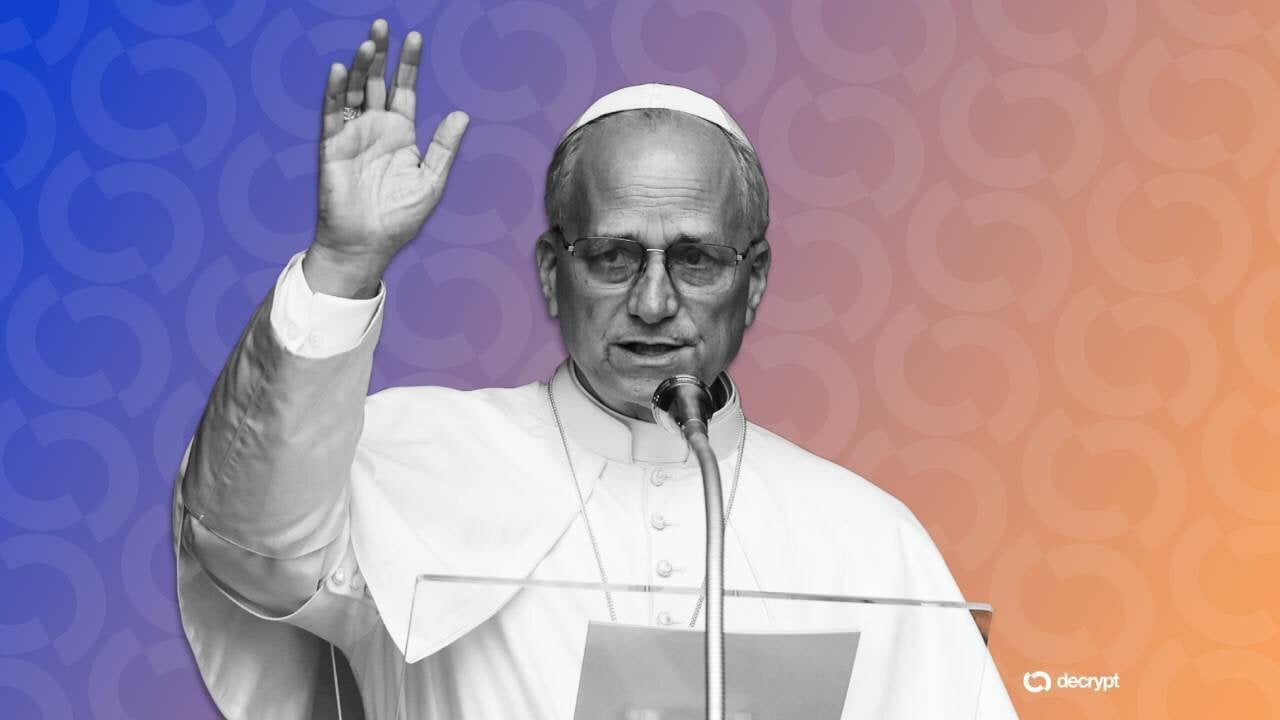
Pope Leo XIV released a comprehensive 245-paragraph encyclical addressing artificial intelligence, marking the Catholic Church's most detailed position on emerging technology to date. The document, presented alongside Anthropic co-founder Christopher Olah, establishes key principles around data ownership and the ethical responsibilities of technology developers.
Data as Shared Resource
The papal encyclical positions data as a "common good" rather than a commodity to be exclusively controlled by corporations or governments. This framing challenges current business models in the tech industry where user data serves as a primary revenue source and competitive advantage. The document argues that communities should maintain rights over data generated from their activities and interactions.
For blockchain and crypto professionals, this perspective aligns with ongoing debates about decentralized data ownership and user privacy—core principles that have driven development of Web3 infrastructure and decentralized identity solutions.
Rejecting Technological Neutrality
The Vatican document explicitly rejects the notion that technology exists in a moral vacuum. The encyclical asserts that AI systems and their creators bear ethical responsibilities for how these tools affect society, employment, and human dignity. This position directly addresses arguments from some technology leaders that platforms and algorithms are neutral instruments.
The timing proves notable as Anthropic, Olah's company, currently litigates against the Trump administration regarding military applications of AI technology. The collaboration between religious leadership and AI safety researchers reflects growing coalitions forming around technology ethics and governance.
Implications for Tech Workforce
The encyclical arrives as the technology sector grapples with fundamental questions about AI development, deployment, and regulation. Professionals working in blockchain, AI, and related fields may face increased scrutiny around ethical considerations in their work, particularly regarding data handling and algorithmic decision-making.
Organizations building in the crypto and Web3 space that prioritize user data sovereignty and transparent governance structures may find validation in these institutional positions. The document could influence regulatory frameworks and corporate policies, potentially creating demand for ethics-focused roles and compliance expertise within technology companies.
As major institutions establish formal positions on AI and data rights, technology professionals should expect these discussions to increasingly shape hiring priorities and project requirements across the industry.


