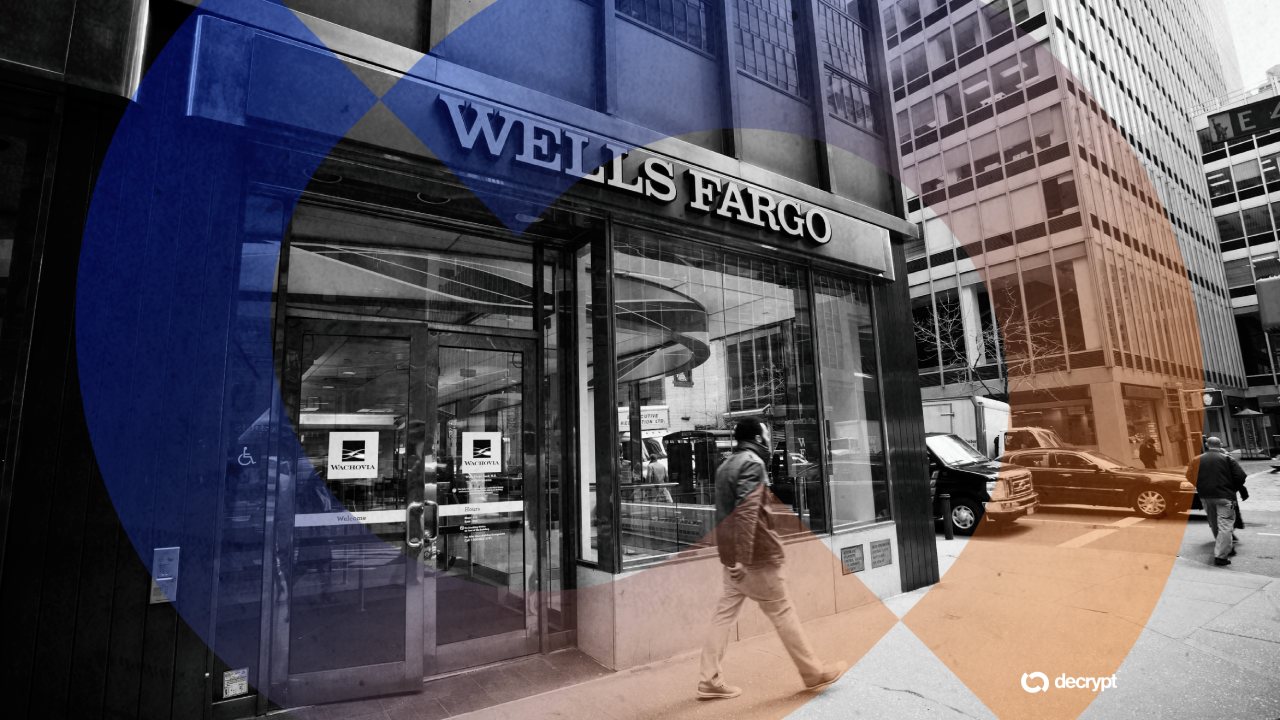
Wells Fargo, one of America's largest banking institutions, has filed a trademark application for "WFUSD," marking the bank's potential entry into stablecoin and cryptocurrency services. The application covers service categories explicitly mentioning digital assets, suggesting the traditional finance giant may be preparing infrastructure for blockchain-based financial products.
Traditional Banking Meets Digital Assets
The trademark filing represents a significant shift for Wells Fargo, which has historically maintained a cautious stance toward cryptocurrency. The application's specific inclusion of crypto and stablecoin-related service categories indicates deliberate planning for digital asset offerings rather than a protective filing.
This move aligns Wells Fargo with other major financial institutions exploring stablecoin solutions. Banks including JPMorgan and Citigroup have already developed or tested their own digital currencies for institutional transactions. The potential WFUSD product could serve various functions, from facilitating faster cross-border payments to enabling blockchain-based settlement systems.
While trademark applications don't guarantee product launches, they typically signal serious strategic consideration and investment in research and development.
Implications for Blockchain Professionals
Wells Fargo's trademark filing suggests potential expansion of blockchain and cryptocurrency roles within traditional banking. If the bank proceeds with a stablecoin product, it would likely need to build teams across multiple disciplines:
- Blockchain developers and engineers
- Regulatory compliance specialists with digital asset expertise
- Product managers experienced in cryptocurrency
- Security professionals focused on blockchain infrastructure
- Legal experts in digital asset frameworks
The banking sector's gradual embrace of digital assets continues to create crossover opportunities for web3 professionals. Experienced blockchain developers and compliance specialists with both traditional finance and crypto backgrounds remain particularly valuable as institutions navigate regulatory requirements while building technical infrastructure.
For professionals tracking industry trends, Wells Fargo's move reinforces the convergence of traditional and decentralized finance. As major banks develop digital asset capabilities, the demand for talent bridging both ecosystems should continue growing, particularly in institutions with significant regulatory obligations and existing customer bases seeking digital asset services.


