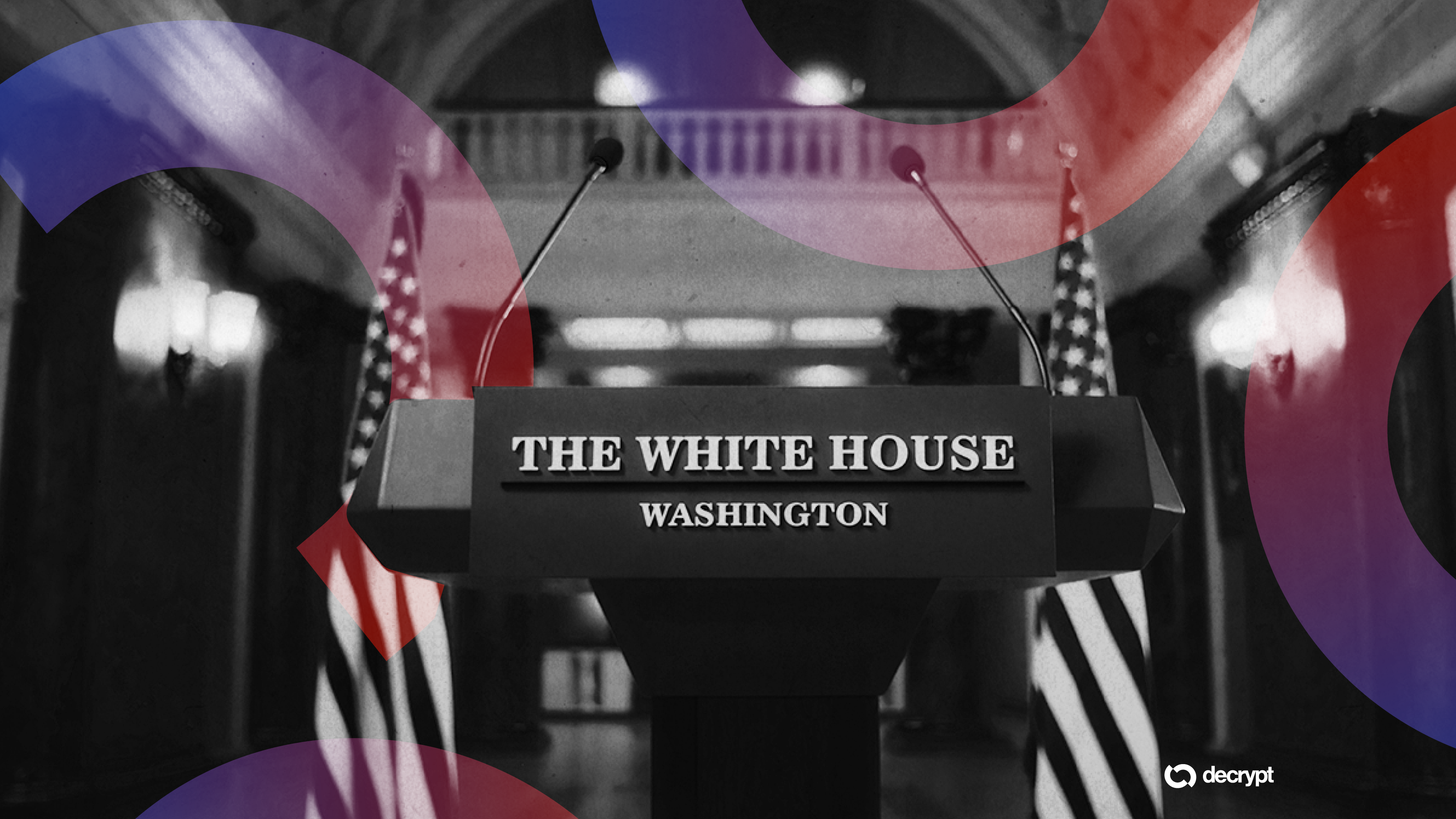
The Trump administration has accused foreign entities, particularly China, of conducting systematic theft of American artificial intelligence capabilities through jailbreaking techniques and fraudulent account networks. The allegations carry significant implications for tech companies and AI professionals working in the blockchain and Web3 sectors, where AI integration continues to accelerate.
State-Sponsored AI Extraction Tactics
According to White House officials, foreign actors are employing sophisticated methods to circumvent security measures and extract proprietary AI model capabilities from U.S.-based platforms. These tactics include jailbreaking—a technique that manipulates AI systems to bypass built-in restrictions—and creating networks of fake accounts to access and analyze American AI technologies at scale.
The administration characterized the activity as "industrial-scale" theft, suggesting coordinated efforts to systematically acquire AI intellectual property. This pattern of behavior raises concerns for companies developing AI-enhanced blockchain protocols, decentralized AI networks, and Web3 applications that rely on advanced machine learning capabilities.
Impact on Web3 and Blockchain Development
The accusations highlight growing tensions around AI security at a time when Web3 companies are increasingly incorporating AI features into their products and services. Decentralized AI platforms, AI-powered trading algorithms, and blockchain-based machine learning applications could face heightened scrutiny and security requirements.
For professionals working at the intersection of AI and blockchain, these developments signal a likely increase in demand for cybersecurity expertise, particularly in protecting AI models and intellectual property. Companies may accelerate hiring for roles focused on:
- AI security and anti-jailbreaking measures
- Authentication and fraud prevention systems
- Compliance with emerging AI protection regulations
- Secure model deployment and access control
Web3 professionals should expect tighter controls around AI model access and potential regulatory frameworks governing AI technology exports. Organizations developing proprietary AI capabilities may need to implement more robust security protocols and verify user identities more thoroughly, creating new technical and compliance challenges for distributed teams operating across borders.


