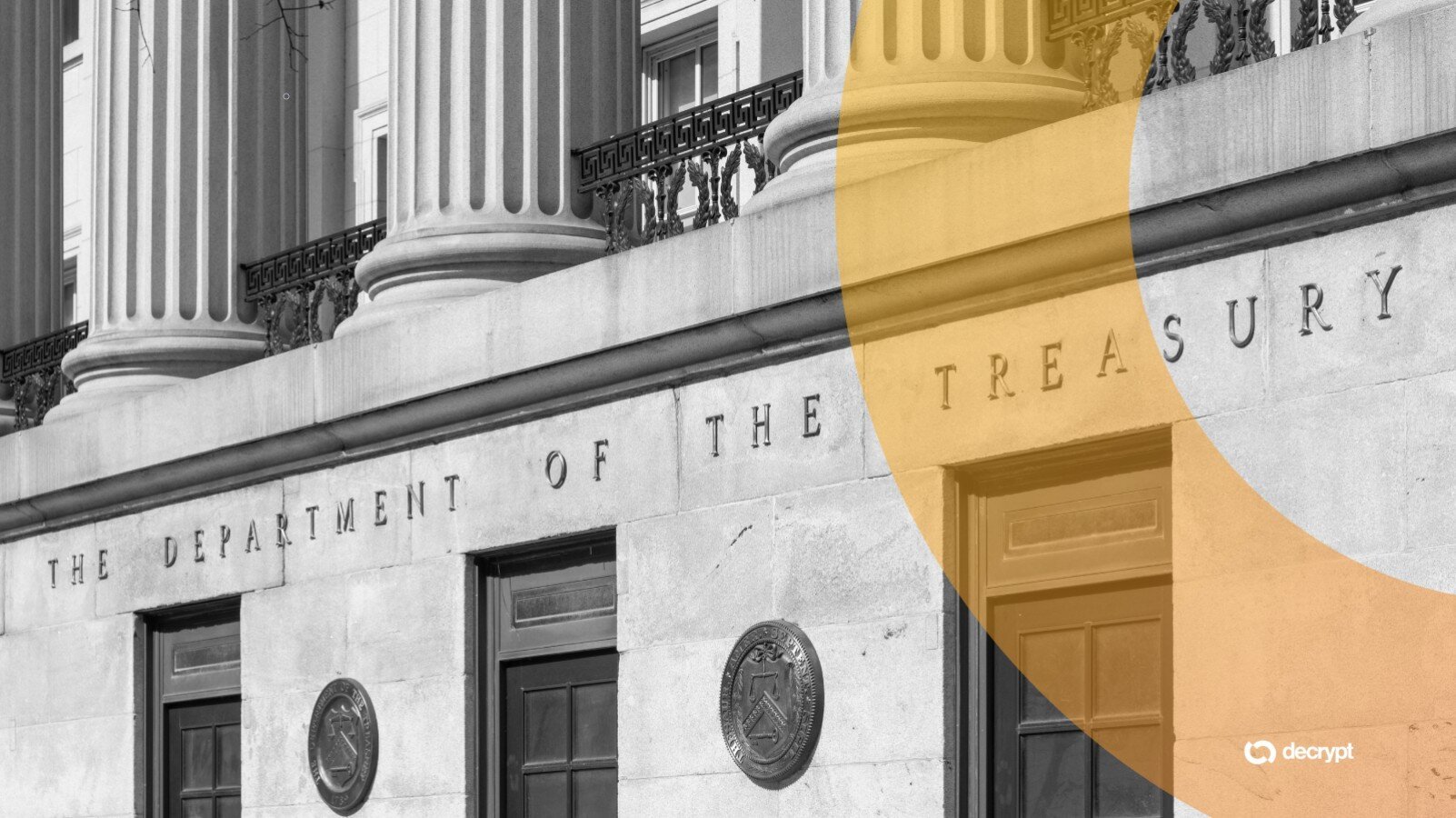
ZeroHash, a prominent cryptocurrency infrastructure provider, has filed for a national trust bank charter with the Office of the Comptroller of the Currency (OCC), marking another significant move by crypto firms toward traditional banking regulation. The application signals growing industry interest in federal oversight as companies seek to offer expanded custody and financial services.
Growing Pipeline of Crypto Banking Applications
The OCC has seen increased applications from crypto-related companies seeking federal banking charters, reflecting the industry's maturation and demand for regulated infrastructure. ZeroHash's pursuit of trust bank status would enable the company to provide federally regulated custody services, a critical offering as institutional adoption of digital assets accelerates.
Trust bank charters allow institutions to hold and manage customer assets without offering traditional lending services. For crypto companies, this status provides regulatory clarity and credibility while addressing institutional clients' compliance requirements.
Separately, fintech platform Revolut is pursuing a full U.S. banking license, demonstrating that companies with crypto offerings view federal banking status as essential for long-term growth in the American market.
Implications for Crypto Infrastructure and Compliance
These regulatory applications reflect a broader industry shift toward compliance-focused operations. Companies seeking federal charters must build robust legal, compliance, and risk management teams, creating sustained demand for professionals with expertise in both traditional finance and digital assets.
The move also highlights the convergence of crypto and traditional finance, as companies recognize that institutional clients require the same regulatory protections they expect from conventional financial institutions. This trend has accelerated hiring in compliance, legal, and risk management roles across the crypto sector.
For web3 professionals, these developments underscore the importance of regulatory knowledge alongside technical expertise. Companies navigating federal banking applications need staff who understand both blockchain technology and traditional financial regulations, making cross-disciplinary skills increasingly valuable.
As more crypto companies pursue regulated status, the industry will likely see continued growth in compliance-related positions and increased competition for experienced financial services professionals willing to transition into digital assets. The regulatory path these companies choose will shape hiring priorities and organizational structures throughout 2024 and beyond.