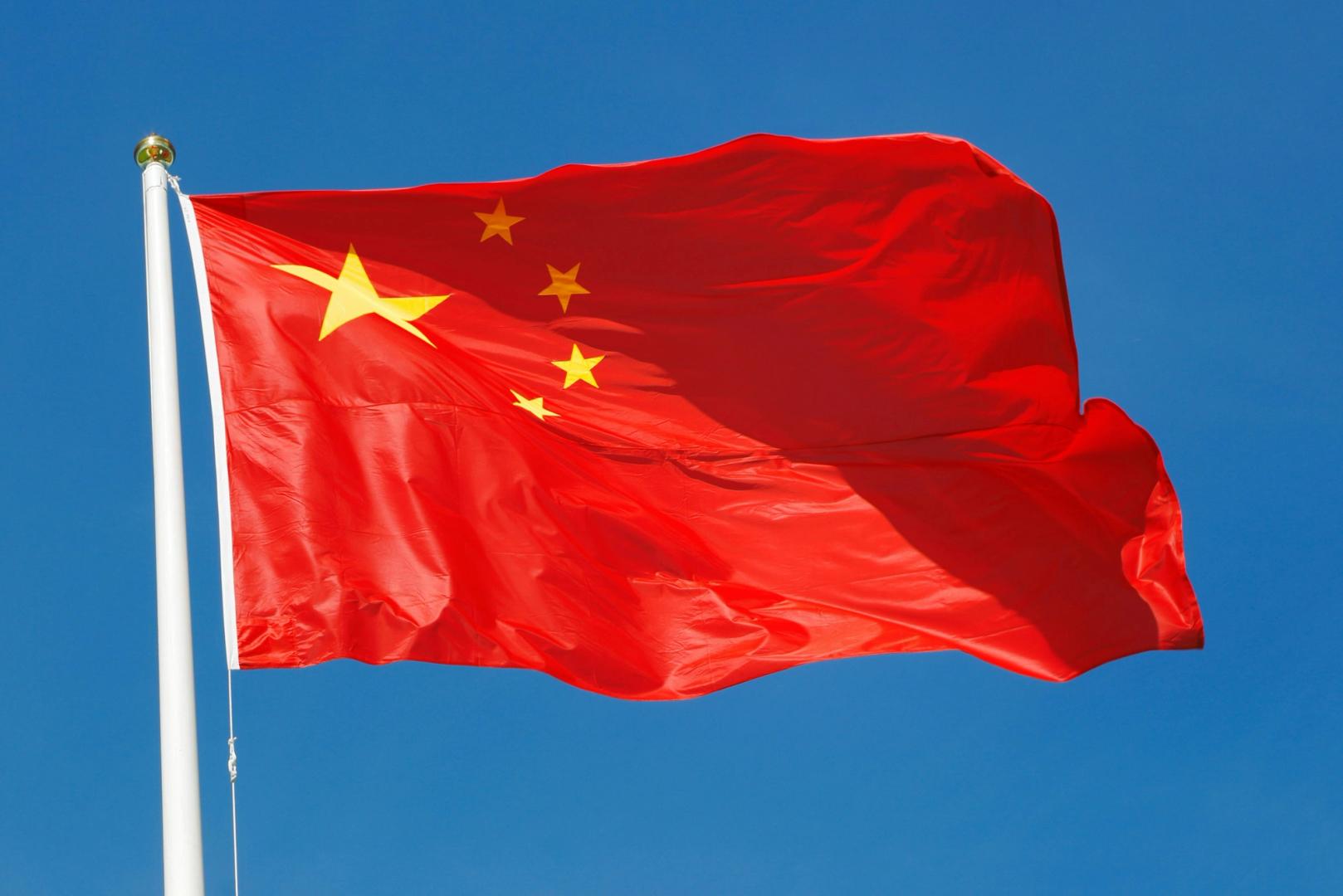
Chinese authorities have expanded their cryptocurrency enforcement efforts to explicitly include stablecoins and tokenized real-world assets, according to new regulatory guidance issued this week. The move extends the country's 2021 comprehensive crypto ban and clarifies that these digital asset categories fall under existing prohibitions.
New Enforcement Scope
The People's Bank of China released updated guidelines that specifically name stablecoins—digital tokens pegged to fiat currencies—and asset tokenization platforms as prohibited activities within mainland China. The guidance reinforces that financial institutions and payment processors must not facilitate transactions involving these assets, mirroring restrictions already applied to cryptocurrencies like Bitcoin and Ethereum.
Chinese regulators stated that stablecoins represent an attempt to circumvent existing cryptocurrency restrictions and pose similar risks to financial stability and capital controls. The guidance also targets platforms that tokenize physical assets such as real estate, commodities, or securities, classifying these activities as unauthorized financial services.
Industry observers note that enforcement mechanisms remain largely unchanged, relying on financial institution compliance and periodic crackdowns on domestic operations. However, the explicit inclusion of newer asset classes signals that regulators are monitoring industry developments and adapting their enforcement framework accordingly.
Workforce Implications
The expanded restrictions present continued challenges for blockchain professionals in mainland China. Companies operating in the stablecoin and tokenization sectors must ensure their Chinese operations comply with the updated guidance or risk regulatory action.
For Web3 professionals based in or targeting Chinese markets, the regulatory environment remains restrictive. Opportunities in public blockchain development, cryptocurrency trading platforms, and now explicitly stablecoin and tokenization projects continue to be limited within mainland borders.
However, Hong Kong maintains its distinct regulatory framework, which permits licensed cryptocurrency and digital asset activities. The special administrative region continues to develop as a regional blockchain hub, offering career opportunities for professionals seeking to work on compliant digital asset projects while maintaining proximity to Chinese markets.
Blockchain professionals should monitor how this expanded enforcement affects cross-border collaboration and whether companies adjust their hiring strategies in response to the clarified restrictions on these emerging asset categories.


