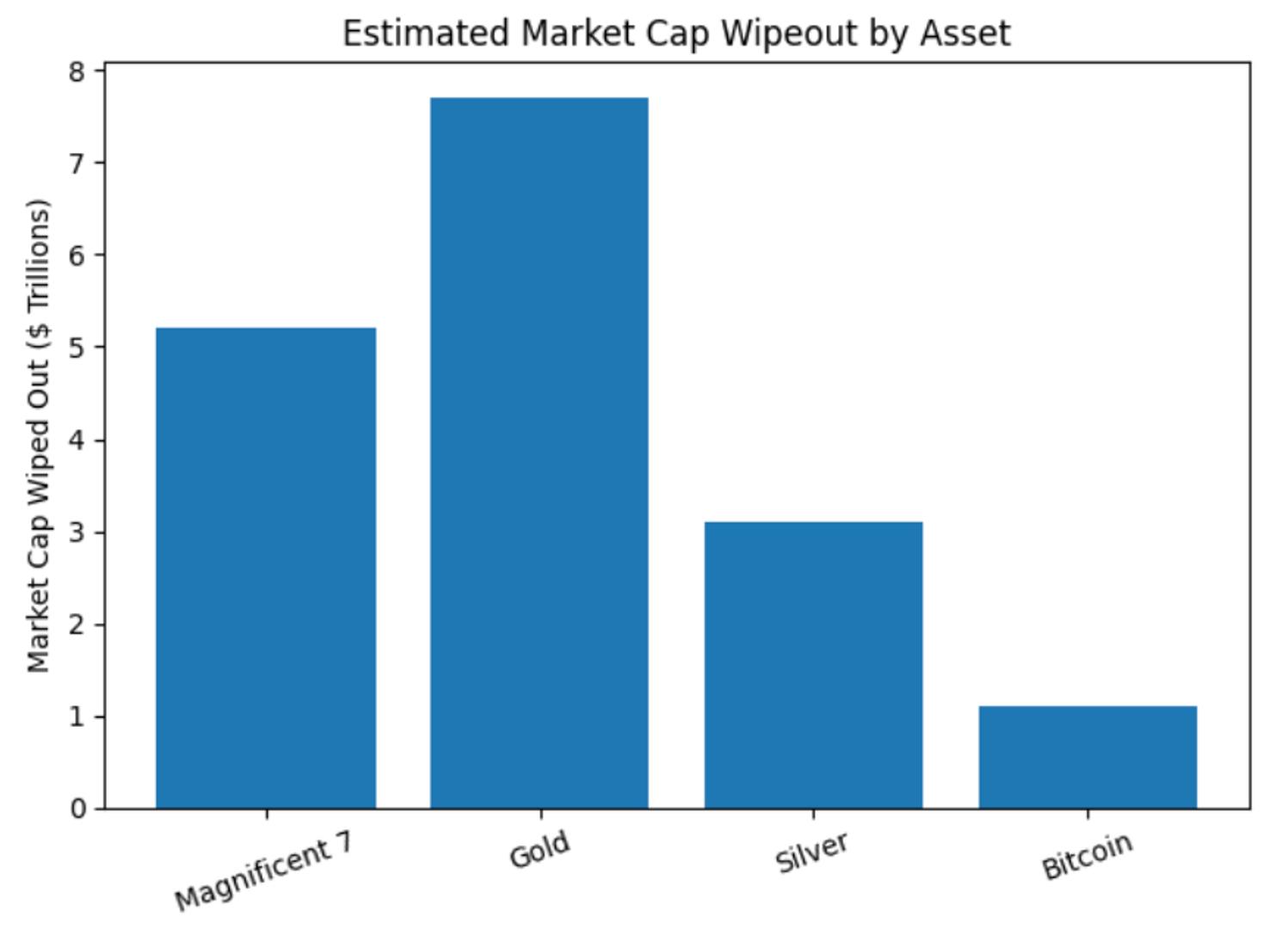
The broader market downturn that pushed the Nasdaq into correction territory has significantly impacted crypto-related stocks, creating uncertainty for blockchain companies and their workforce planning. The $17 trillion market selloff has forced digital asset firms to reassess their growth strategies amid tightening financial conditions.
Market Turbulence Hits Crypto Equities
Publicly-traded cryptocurrency companies experienced sharp declines as tech stocks broadly retreated. Mining operations, crypto exchanges, and blockchain infrastructure firms saw their valuations compressed alongside the wider tech sector correction. The correlation between traditional tech equities and crypto stocks has become increasingly pronounced, exposing digital asset companies to macroeconomic headwinds beyond cryptocurrency price movements alone.
This downturn comes at a critical time for the industry, as many blockchain firms had been expanding their teams and operations following stronger performance in previous quarters. The market pressure may force companies to recalibrate hiring plans and operational budgets.
Implications for Blockchain Workforce
The correction in crypto stocks carries direct consequences for professionals in the blockchain sector. Companies facing compressed valuations often need to adjust their hiring velocity and compensation structures, particularly for equity-heavy packages that have become less attractive amid stock price declines.
However, the situation differs significantly from previous crypto downturns. The sector now includes more established companies with diversified revenue streams and stronger balance sheets. Many firms have positioned themselves to weather market volatility better than in past cycles.
Industry professionals should expect some employers to:
- Slow hiring for non-critical roles
- Adjust equity compensation packages
- Focus resources on core product development
- Emphasize operational efficiency over rapid expansion
Looking Ahead
For blockchain professionals and job seekers, this period underscores the importance of evaluating potential employers beyond stock performance. Companies with solid fundamentals, sustainable business models, and adequate runway remain active in the talent market, while those heavily dependent on market conditions may pause expansion plans.
The correction may also create opportunities as the sector matures. Firms that maintain their hiring commitments during downturns often secure top talent that becomes available as less-stable competitors contract. Professionals with expertise in compliance, risk management, and sustainable business operations may find their skills particularly valued as companies prioritize resilience.



