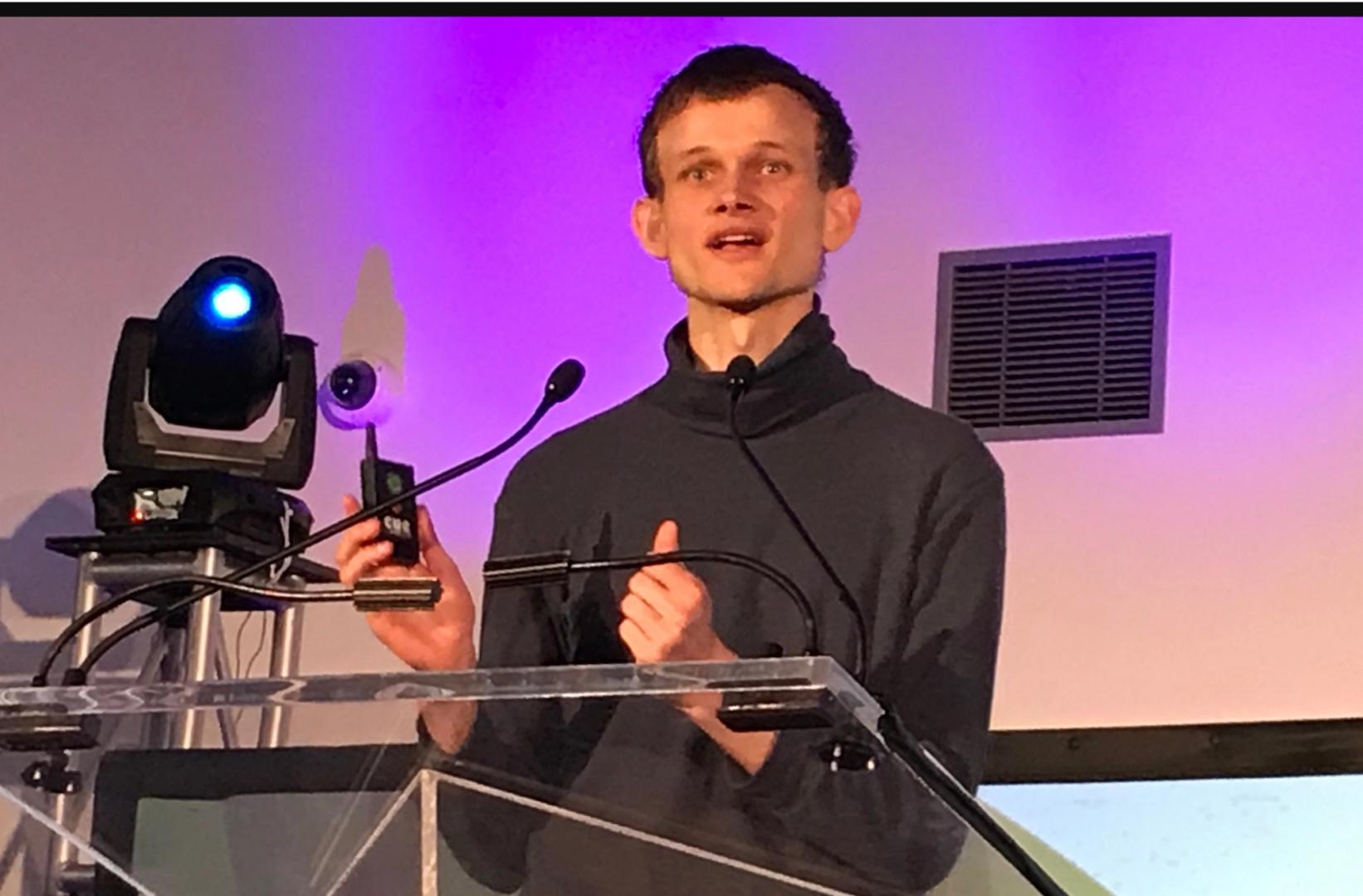
Ethereum co-founder Vitalik Buterin's recent strategic shift is prompting Layer 2 networks to reconsider their positioning within the blockchain ecosystem, a change that carries significant implications for teams building and working in this sector. The move from being strictly complementary to Ethereum toward developing more autonomous identities represents a fundamental evolution in how these scaling solutions operate and compete for talent.
Strategic Independence Creates New Technical Challenges
Buterin's latest guidance encourages Layer 2 networks to develop stronger standalone value propositions rather than positioning themselves solely as Ethereum scaling solutions. This philosophical pivot requires these networks to invest more heavily in unique technical infrastructure and differentiated features.
For development teams, this transition demands broader skill sets beyond Ethereum-specific expertise. Engineers and protocol developers working on Layer 2 projects now need experience building independent ecosystems, including native token economics, governance structures, and unique consensus mechanisms. The shift also increases demand for professionals with cross-chain expertise as Layer 2s explore interoperability beyond the Ethereum mainnet.
Hiring Priorities Evolving Across Layer 2 Projects
The strategic repositioning is already reshaping hiring patterns across major Layer 2 networks. Projects are expanding their talent searches beyond Ethereum-native developers to include professionals with experience in standalone blockchain operations, business development, and ecosystem growth.
Product managers and business strategists with experience building independent Web3 communities are becoming particularly valuable as Layer 2 networks work to establish distinct brand identities. Marketing and community teams face new challenges in communicating value propositions that don't rely primarily on Ethereum association.
Technical roles are also evolving, with increased emphasis on building Layer 2-specific developer tooling, documentation, and infrastructure that can function independently while maintaining Ethereum compatibility where beneficial.
Implications for Blockchain Professionals
For Web3 professionals, this shift creates both opportunities and challenges. Engineers with expertise in multiple blockchain architectures will find themselves well-positioned as Layer 2s diversify their technical approaches. Community builders and ecosystem developers who can help these networks establish independent identities will see growing demand.
The transition also suggests longer-term career opportunities as Layer 2 networks build out more comprehensive teams to support their expanded ambitions. Professionals considering roles in this sector should prepare for organizations that increasingly resemble standalone blockchain projects rather than purely auxiliary scaling solutions.


