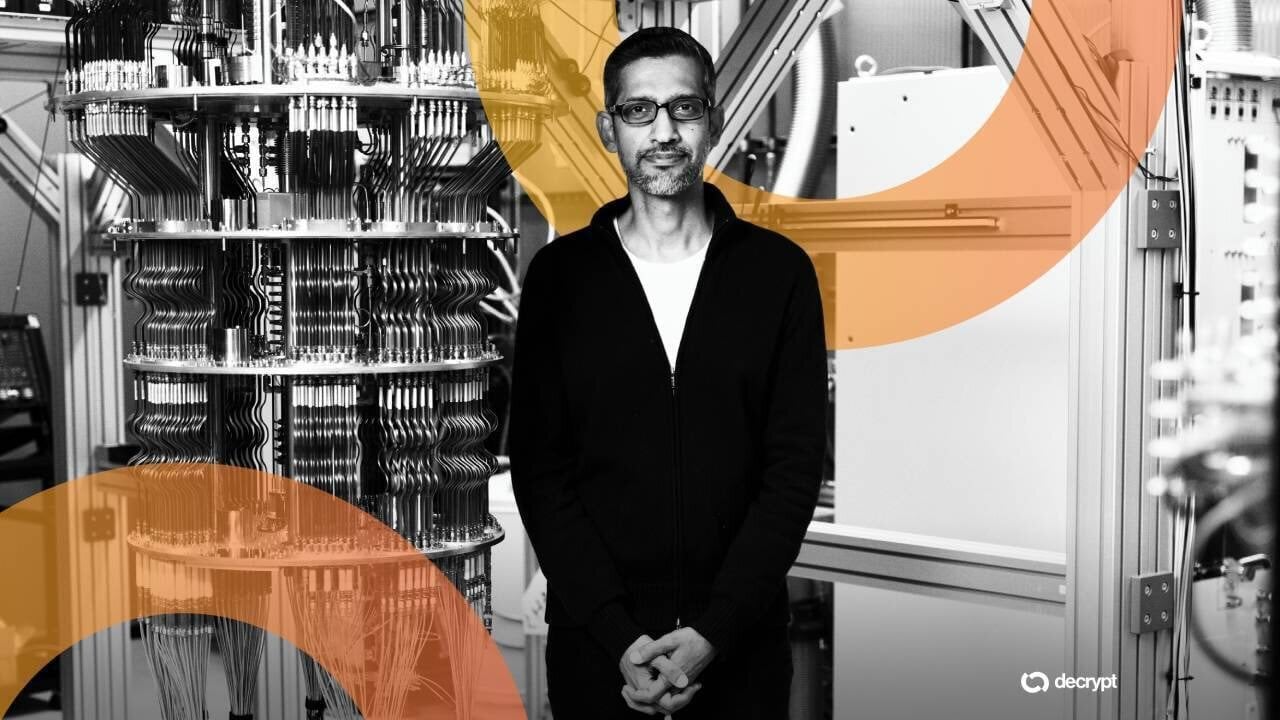
Google has set an internal deadline of 2029 to implement quantum-resistant encryption across its systems, a move that highlights growing concerns about quantum computing threats in the technology sector. The timeline carries significant implications for blockchain networks like Bitcoin, which may face pressure to upgrade their cryptographic defenses on a faster schedule.
The Quantum Computing Challenge
Quantum computers pose a fundamental threat to current encryption methods that secure everything from corporate systems to cryptocurrency networks. These next-generation machines could potentially break the cryptographic algorithms that protect Bitcoin wallets and transactions, making the issue particularly urgent for blockchain professionals.
Google's five-year timeline reflects the tech giant's assessment of when quantum computers might reach the capability to crack existing encryption standards. However, the decentralized nature of blockchain networks presents unique challenges compared to centralized systems like Google's infrastructure.
Implications for Blockchain Development
The quantum threat creates pressing demands for blockchain developers and cryptographers in the industry. Bitcoin's protocol would require a hard fork to implement quantum-resistant cryptography, a complex process requiring consensus across the network's global community of miners, node operators, and developers.
Other blockchain networks are already exploring quantum-resistant solutions. Projects focused on post-quantum cryptography are gaining attention from developers and researchers seeking to future-proof distributed ledger technology. This shift will likely drive hiring for specialists in quantum-resistant cryptography and protocol development.
Career Considerations for Web3 Professionals
The quantum computing timeline presents both challenges and opportunities for blockchain professionals. Developers with expertise in post-quantum cryptographic algorithms will become increasingly valuable as projects race to upgrade their security infrastructure.
Organizations across the crypto industry will need security auditors, protocol engineers, and systems architects who understand quantum threats and can implement appropriate defenses. The transition period will require significant engineering resources, potentially creating new roles and expanding teams at both established projects and startups focused on quantum-resistant blockchain solutions.
For professionals in the space, staying informed about quantum computing developments and gaining familiarity with post-quantum cryptographic standards represents a strategic career investment as the 2029 timeline approaches.