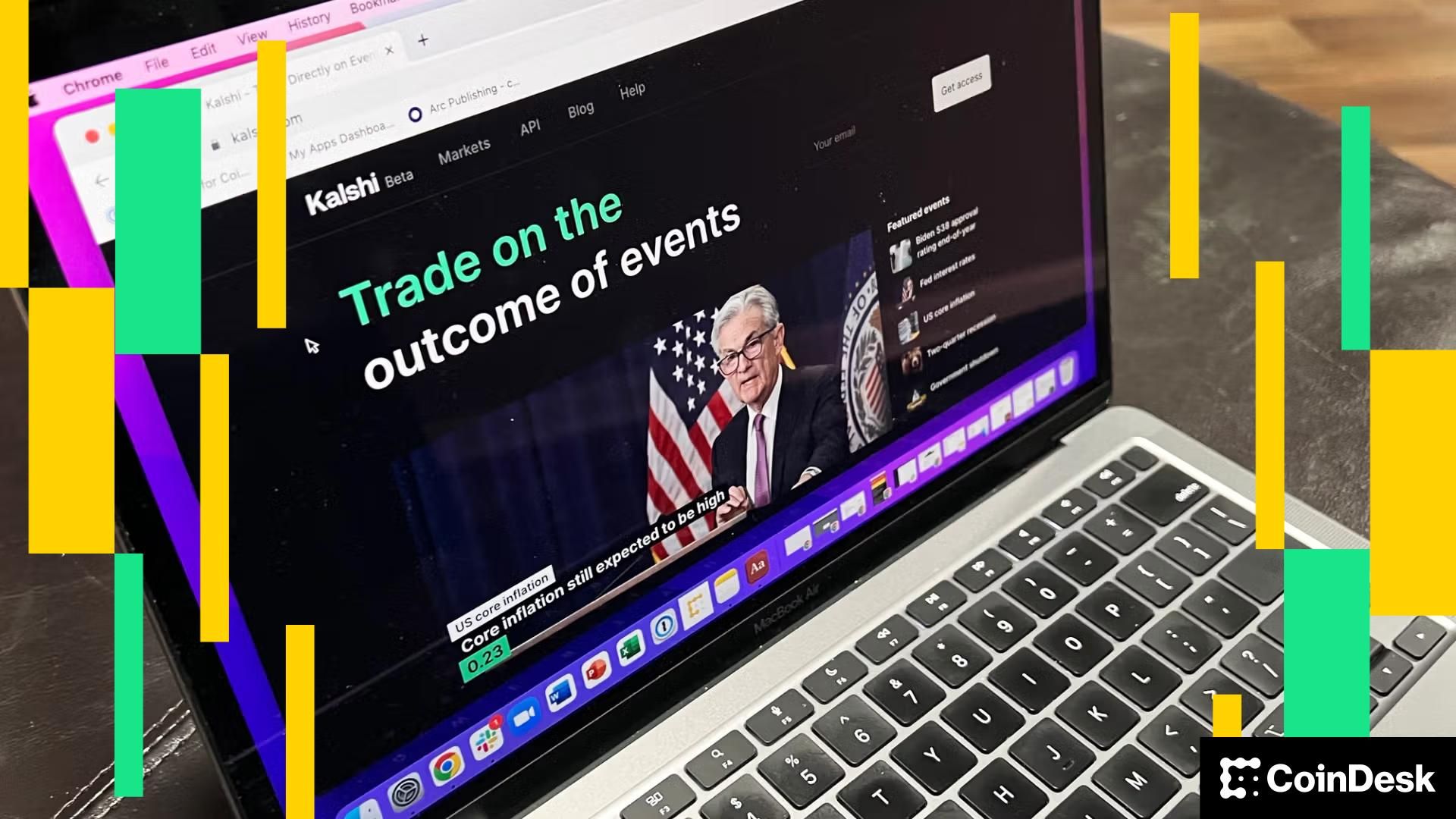
A federal appeals court ruling has opened the door for Nevada regulators to enforce a temporary ban on prediction market platform Kalshi, marking a significant development in the ongoing legal battle over state-level regulation of forecast trading platforms. The decision carries implications for blockchain professionals working in the prediction market sector and related compliance roles.
Court Decision Enables State Enforcement
The U.S. Court of Appeals granted Nevada the authority to temporarily prohibit Kalshi from operating within state borders while litigation proceeds. The ruling represents a reversal from an earlier decision that had prevented Nevada from enforcing restrictions against the platform.
Nevada regulators argue that Kalshi's prediction market activities constitute unlicensed gambling operations under state law, despite the platform's federal approval from the Commodity Futures Trading Commission (CFTC) to operate event contracts. This creates a complex regulatory landscape where federal authorization doesn't guarantee state-level compliance.
Kalshi, which allows users to trade contracts based on real-world event outcomes, has maintained that its operations fall under CFTC jurisdiction rather than state gambling regulations. The platform secured CFTC approval in 2021 to operate as a derivatives exchange, though it has faced ongoing challenges over specific contract offerings.
Workforce and Industry Implications
The appeals court decision highlights the fragmented regulatory environment facing prediction market platforms and creates uncertainty for professionals in this sector. Companies operating in this space may need to expand their legal and compliance teams to navigate varying state requirements, even with federal approval in place.
For blockchain and fintech professionals, this case underscores the importance of regulatory expertise across multiple jurisdictions. Positions in legal compliance, regulatory affairs, and government relations become increasingly critical as platforms face this patchwork of federal and state oversight.
The temporary ban affects only Nevada operations while the underlying legal questions proceed through courts. However, the precedent could influence how other states approach regulation of prediction markets, particularly those incorporating blockchain technology or cryptocurrency elements.
Web3 professionals considering opportunities in the prediction market sector should monitor how this case develops, as it may reshape operational requirements and create demand for specialized regulatory and legal talent capable of managing complex interstate compliance frameworks.



