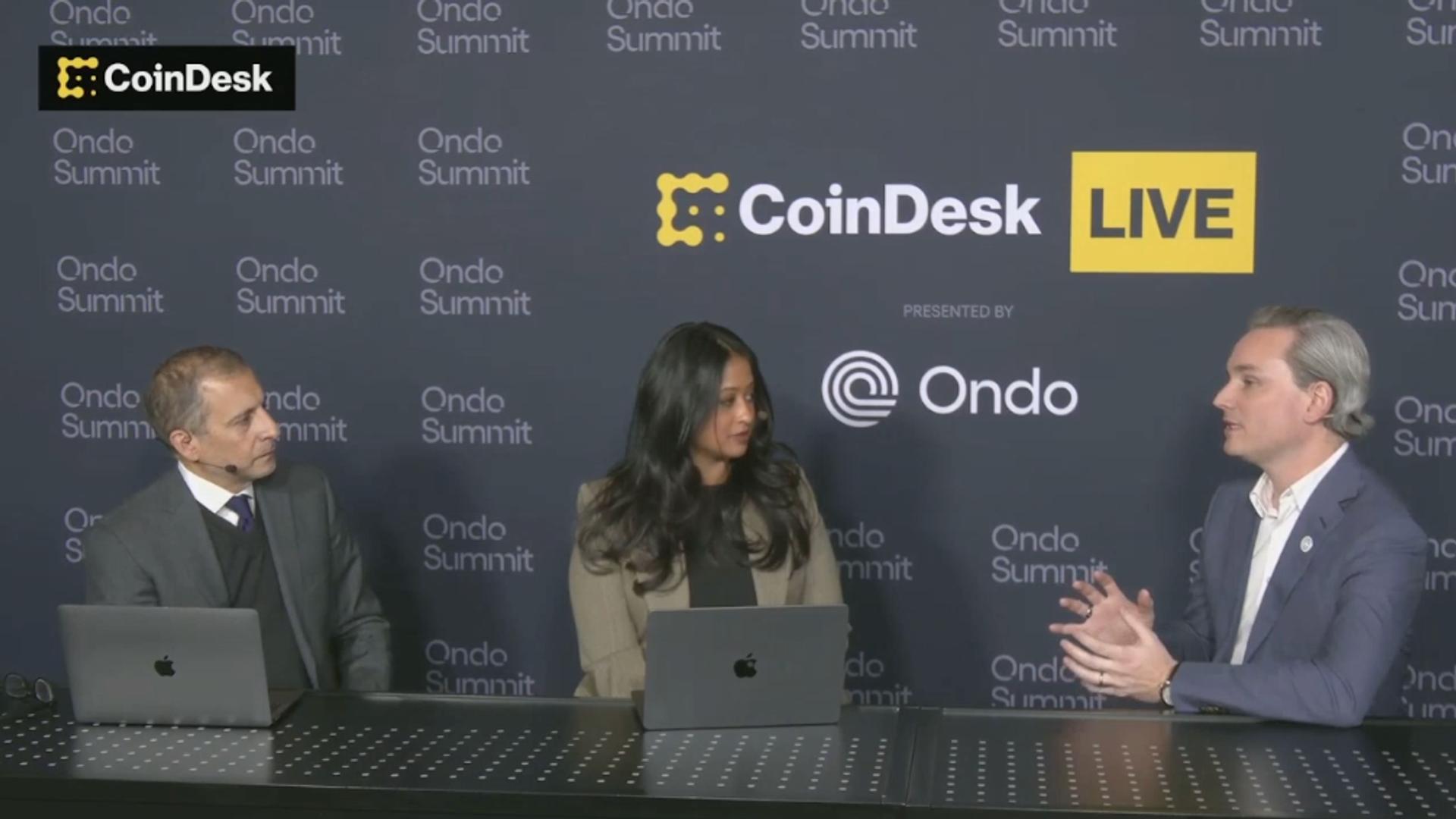
Ondo Finance, known for its tokenized real-world assets, is moving into perpetual futures trading as the foundation of a broader plan to build prime brokerage services on-chain. The expansion represents a strategic shift for the protocol and could signal new opportunities in decentralized financial infrastructure roles.
Building Institutional Infrastructure On-Chain
Ondo's entry into the perpetuals market aims to replicate traditional prime brokerage services within a blockchain environment. Prime brokerage typically provides leveraged trading, securities lending, and custody services to institutional clients—functions that remain underdeveloped in decentralized finance despite growing institutional interest.
The perpetual futures platform serves as the initial component of this infrastructure buildout. By launching with derivatives trading, Ondo positions itself to eventually offer a comprehensive suite of prime brokerage tools that institutional traders currently access through centralized platforms or traditional finance.
This move follows Ondo's established focus on bringing traditional financial products on-chain, including tokenized Treasuries and money market funds. The protocol has secured significant assets under management by targeting institutional participants seeking blockchain-based exposure to conventional assets.
Workforce Implications for Web3 Professionals
Ondo's expansion into prime brokerage infrastructure creates demand for professionals with hybrid skill sets. The project requires expertise spanning traditional finance operations, derivatives trading mechanics, and blockchain engineering—a combination that remains scarce in the current talent market.
Key roles likely to see increased demand include:
- Quantitative developers familiar with derivatives pricing and risk management
- Compliance specialists who understand both DeFi protocols and prime brokerage regulations
- Protocol engineers experienced in building secure, high-throughput trading systems
- Product managers with institutional trading backgrounds
The broader trend of recreating traditional financial services on-chain suggests sustained hiring across protocols pursuing similar institutional infrastructure. As regulatory frameworks mature and institutions allocate more resources to blockchain-based trading, demand for professionals who can bridge traditional and decentralized finance will likely intensify.
For Web3 professionals, Ondo's strategic direction illustrates how DeFi protocols increasingly prioritize institutional-grade infrastructure over retail-focused products. Those developing expertise in complex financial instruments and institutional workflows position themselves advantageously as protocols compete to capture institutional market share.



