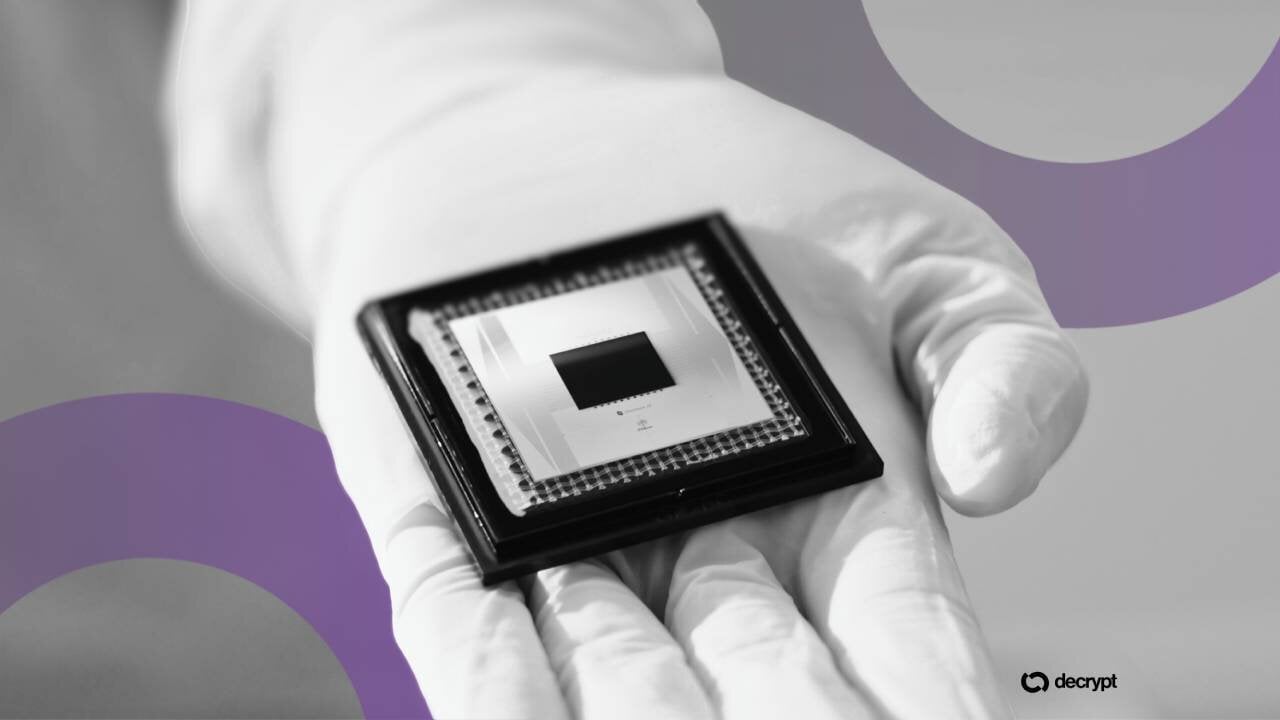
Recent findings from Caltech researchers indicate that fault-tolerant quantum computers capable of breaking current cryptographic standards may emerge sooner than previously projected. This development carries significant implications for blockchain networks like Bitcoin and Ethereum, and signals growing demand for quantum-resistant cryptography expertise in the Web3 sector.
Timeline Acceleration for Quantum Threats
The research suggests that quantum computers with sufficient power to compromise blockchain cryptography could materialize within the next decade, rather than the previously estimated 15-20 years. This accelerated timeline stems from recent breakthroughs in error correction techniques and qubit stability, which are critical components for building fault-tolerant quantum systems.
Current blockchain cryptographic systems rely on mathematical problems that classical computers cannot solve efficiently. However, quantum computers using algorithms like Shor's algorithm could theoretically break the elliptic curve cryptography securing most cryptocurrency wallets and transactions. Bitcoin's ECDSA and Ethereum's current signature schemes are particularly vulnerable to this quantum threat.
Workforce Implications for Blockchain Industry
This development creates immediate opportunities for professionals with expertise in post-quantum cryptography (PQC). Organizations across the blockchain ecosystem will need specialists who can:
- Implement quantum-resistant cryptographic protocols
- Audit existing systems for quantum vulnerabilities
- Design migration strategies for legacy blockchain infrastructure
- Develop new consensus mechanisms incorporating PQC standards
The blockchain industry now faces pressure to accelerate research and implementation of quantum-resistant solutions before these advanced computing systems become operational. Projects like Ethereum have already begun exploring quantum-safe alternatives, while newer blockchain protocols are incorporating PQC from their initial design phase.
Career Outlook
For Web3 professionals, this represents both a challenge and an opportunity. Developers with backgrounds in cryptography, particularly those familiar with lattice-based, hash-based, or code-based cryptographic schemes, will likely see increased demand. Security auditors and protocol designers who can navigate the transition to quantum-resistant systems will become increasingly valuable to blockchain organizations.
The race to quantum-proof blockchain networks has effectively begun, creating a new vertical within the cryptocurrency job market that combines quantum computing knowledge with blockchain expertise.