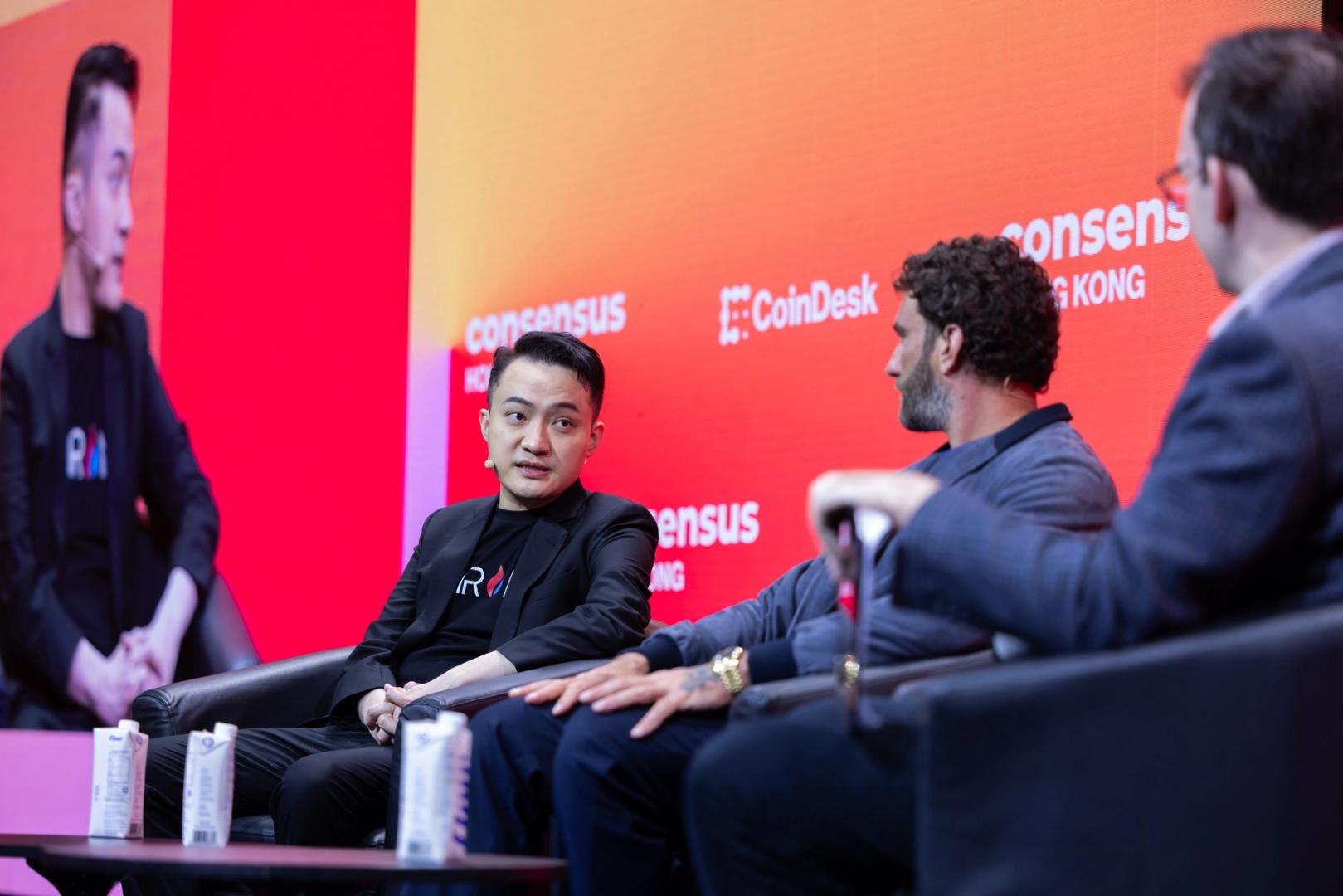
Tron founder Justin Sun has publicly criticized a governance proposal from World Liberty Financial (WLFI), the Trump family-affiliated DeFi protocol, marking a significant escalation in tensions between two major players in the crypto industry. The dispute centers on a proposal that would significantly alter WLFI's operational structure and governance model.
Governance Dispute Details
Sun, who holds a substantial position in WLFI tokens, called the governance vote "absurd" in public statements, arguing that the proposal undermines token holder rights and concentrates decision-making power. The controversy highlights growing concerns about governance practices in DeFi protocols, particularly those with high-profile backers and complex stakeholder relationships.
World Liberty Financial launched its governance token in late 2024 with significant attention due to its association with the Trump family. The protocol has positioned itself as a major DeFi lending platform, but this governance dispute raises questions about its operational independence and token holder influence.
The specific proposal at issue would modify voting thresholds and adjust the protocol's decision-making mechanisms. Sun argues these changes would disadvantage existing token holders and centralize control, while WLFI maintains the adjustments are necessary for operational efficiency and long-term sustainability.
Industry Implications
This public feud underscores the ongoing maturation of DeFi governance models and the challenges protocols face when balancing stakeholder interests. For blockchain professionals, the dispute serves as a case study in protocol governance design and the importance of clear, equitable voting mechanisms.
The outcome could influence how future DeFi protocols structure their governance frameworks, particularly those backed by prominent individuals or entities. Legal and compliance professionals in the crypto space are likely monitoring the situation closely, as governance disputes increasingly attract regulatory scrutiny.
For professionals working in protocol development, tokenomics, and blockchain governance, this incident reinforces the critical need for expertise in designing robust, fair governance systems. As the industry continues to professionalize, roles focused on DAO operations, governance facilitation, and stakeholder management are becoming increasingly important across Web3 organizations. The resolution of this dispute may set precedents that shape hiring priorities for governance-focused positions in DeFi protocols going forward.


