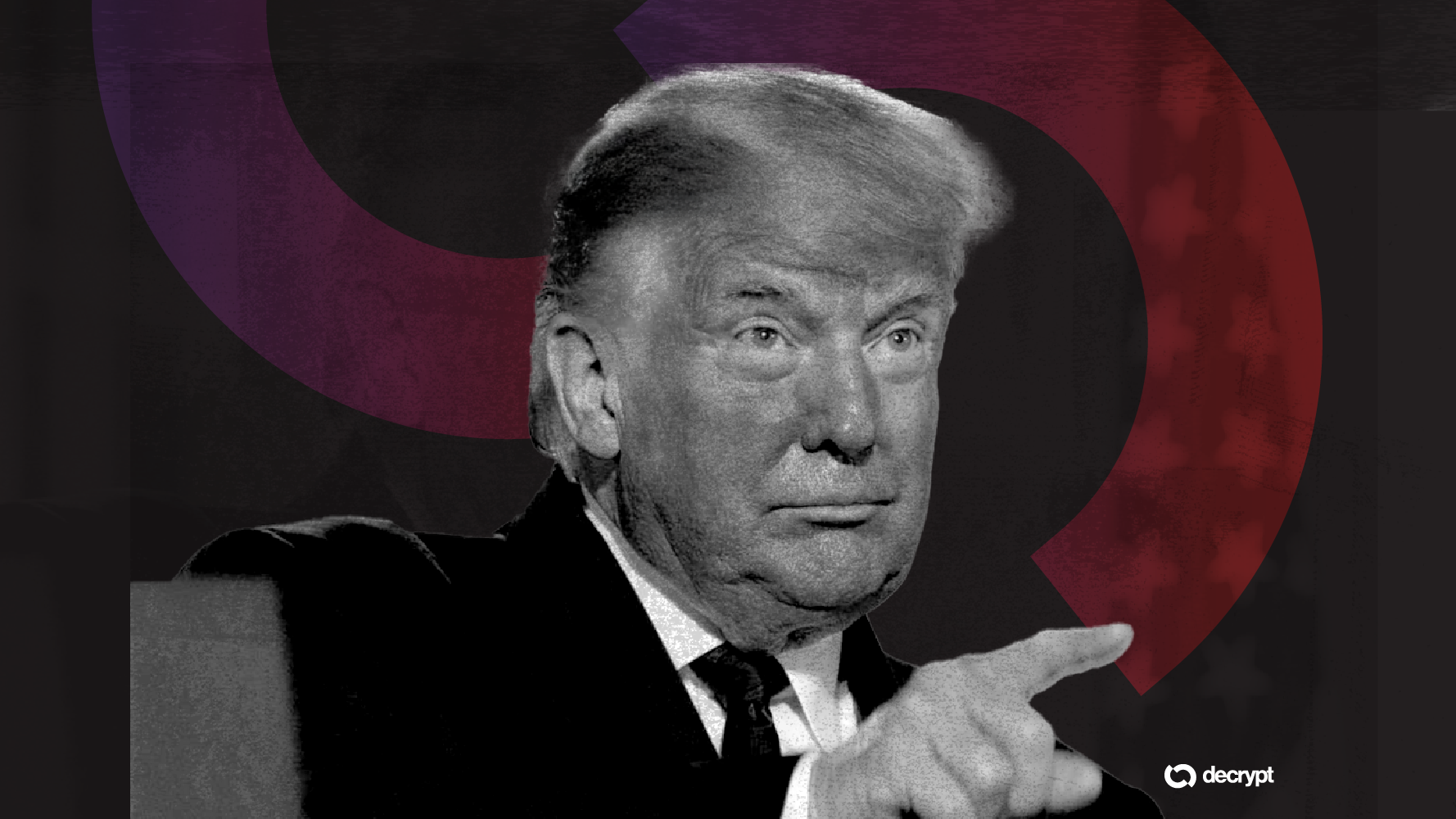
The Trump administration has announced appointments to its Presidential Science Council, bringing together executives from leading cryptocurrency and artificial intelligence firms. The move signals increased government engagement with emerging technologies and may influence regulatory approaches that affect hiring and growth in the blockchain sector.
Tech Industry Veterans Join Advisory Body
The newly formed council includes representatives from major crypto platforms and AI companies, positioning digital asset expertise directly within federal scientific advisory channels. This marks a notable shift from previous administrations' approaches to cryptocurrency industry engagement at the policy level.
The appointments come as the administration seeks technical guidance on emerging technologies that intersect with national competitiveness, financial innovation, and regulatory frameworks. For blockchain professionals, this development suggests potential policy developments that could shape the industry's operational landscape in the coming years.
Implications for Regulatory Clarity
Industry observers note that direct crypto representation on scientific advisory councils could accelerate conversations around regulatory frameworks that have remained uncertain for years. Clearer regulatory guidance has consistently ranked among top concerns for blockchain companies evaluating hiring plans and expansion strategies.
Companies operating in regulatory gray areas have often faced challenges in workforce planning, with compliance uncertainty affecting decisions about team growth and geographical expansion. Enhanced dialogue between industry leaders and policymakers may provide the clarity that enables more confident hiring roadmaps.
What This Means for Blockchain Careers
For professionals in the crypto space, government engagement with industry leaders could translate to more stable career prospects as regulatory frameworks mature. Companies that have deferred major hiring initiatives pending regulatory clarity may accelerate recruitment if policy direction becomes more defined.
The composition of advisory bodies often signals administration priorities, and the inclusion of crypto executives suggests continued federal interest in blockchain technology's development. This environment may favor professionals with expertise in compliance, regulatory affairs, and policy alongside technical blockchain skills.
As the council begins its work, blockchain professionals should monitor policy developments that emerge from these advisory channels, as they may influence employer strategies, funding availability, and career opportunities across the sector.


