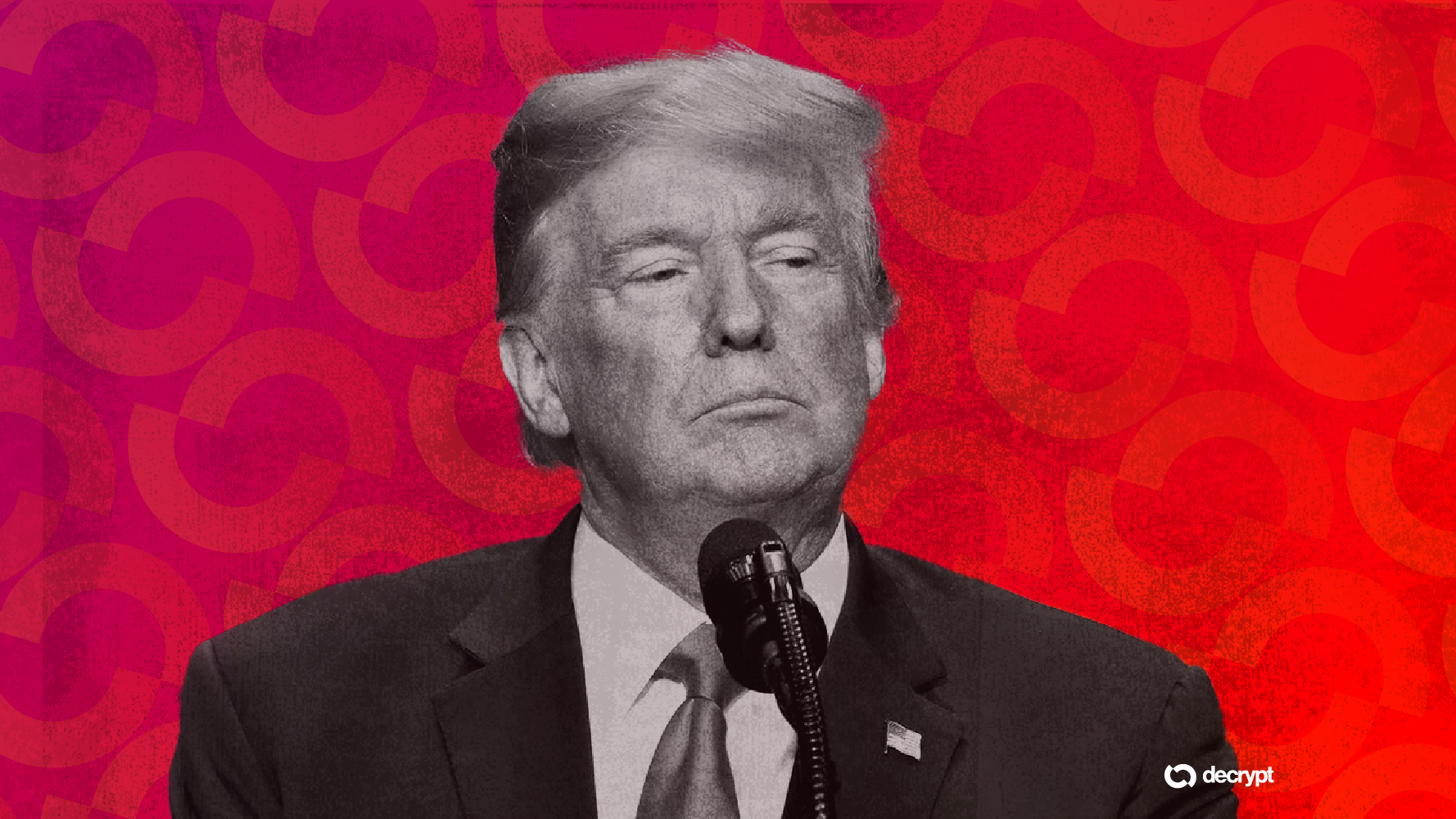
A reported investment by a United Arab Emirates royal family member in a cryptocurrency venture linked to former President Donald Trump has raised ethics concerns in the blockchain industry, particularly regarding the timing of subsequent U.S. policy changes on AI chip exports.
Investment and Policy Reversal Timeline
The controversy centers on the sequence of events between the foreign investment and changes to U.S. technology export policy. According to reports, the UAE investment in the Trump-affiliated crypto firm occurred before the U.S. government reversed restrictions on AI chip exports to the region. The timing has prompted questions about potential conflicts of interest and whether policy decisions were influenced by business relationships.
The situation highlights ongoing challenges around transparency and governance in the crypto sector, particularly when political figures maintain business interests in blockchain ventures. For professionals working in compliance, legal, and government relations roles within crypto companies, this case underscores the importance of clear ethical boundaries and disclosure requirements.
Implications for Crypto Industry Standards
The allegations arrive as the blockchain industry continues working to establish credibility with regulators and traditional institutions. Ethics concerns involving high-profile figures can affect how policymakers approach cryptocurrency regulation and potentially impact hiring needs for compliance and legal professionals.
Companies operating in the crypto space increasingly need robust ethics frameworks and transparent governance structures. This is driving demand for:
- Compliance officers with experience navigating complex regulatory environments
- Legal counsel specializing in conflicts of interest and disclosure requirements
- Government relations professionals who understand both blockchain technology and political ethics standards
Workforce Considerations
For blockchain professionals, incidents like this serve as reminders that the industry's maturation requires stronger institutional safeguards. Companies building sustainable crypto businesses need teams capable of maintaining ethical standards while operating in politically complex environments.
The situation may accelerate calls for clearer regulatory frameworks around crypto ventures involving political figures, potentially creating new opportunities for professionals with expertise in regulatory compliance, corporate governance, and policy advocacy. As the industry evolves, professionals who can help companies navigate these ethical challenges will remain in high demand.


