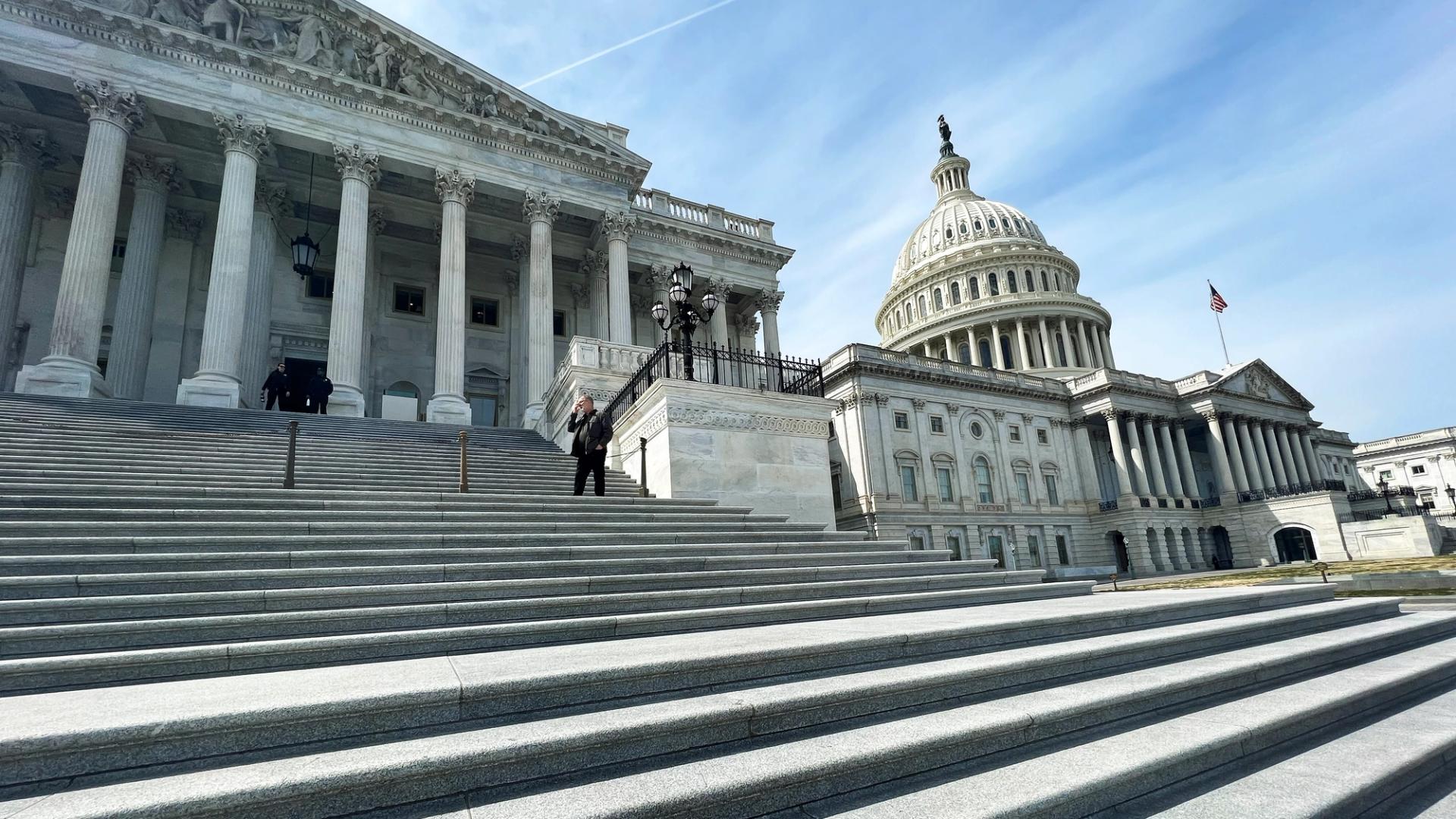
U.S. lawmakers have introduced updated cryptocurrency tax legislation that could significantly impact how blockchain companies handle compliance and reporting obligations. The revised bill addresses longstanding industry concerns about unclear tax treatment while potentially reshaping operational requirements for crypto employers and professionals.
Key Changes in the Revised Legislation
The new proposal refines several aspects of digital asset taxation that have created compliance challenges for crypto businesses. The bill aims to establish clearer reporting standards for cryptocurrency transactions, addressing ambiguities that have complicated accounting and tax reporting processes at blockchain companies.
The legislation includes provisions that would modify how digital assets are classified for tax purposes, potentially affecting how companies structure compensation packages that include tokens or cryptocurrency. This could influence hiring practices and employment agreements across the sector, particularly for firms offering equity or token-based incentives to employees.
The revised framework also addresses broker reporting requirements, a contentious issue that has raised concerns about implementation feasibility among exchanges and DeFi platforms. How these rules are finalized could determine staffing needs for compliance teams at crypto companies.
Workforce and Hiring Implications
Changes to crypto tax policy directly impact the blockchain job market in several ways. Compliance and legal teams at cryptocurrency companies will likely need to adapt their processes, potentially creating demand for tax specialists with digital asset expertise.
For companies operating in the U.S., clearer tax guidelines could reduce regulatory uncertainty that has complicated business planning and hiring decisions. Firms may find it easier to justify headcount expansion when compliance requirements are more predictable and better defined.
Professionals working in blockchain accounting, tax compliance, and finance roles should monitor how this legislation progresses, as implementation would likely require updated skills and knowledge in digital asset taxation. The bill could also influence where crypto companies choose to establish operations and hire talent, depending on final provisions.
As this legislation moves through Congress, blockchain professionals should expect their employers to evaluate potential operational changes. Companies may need additional expertise in tax reporting systems, compliance infrastructure, and legal interpretation—areas that could see increased hiring activity if the bill advances.



