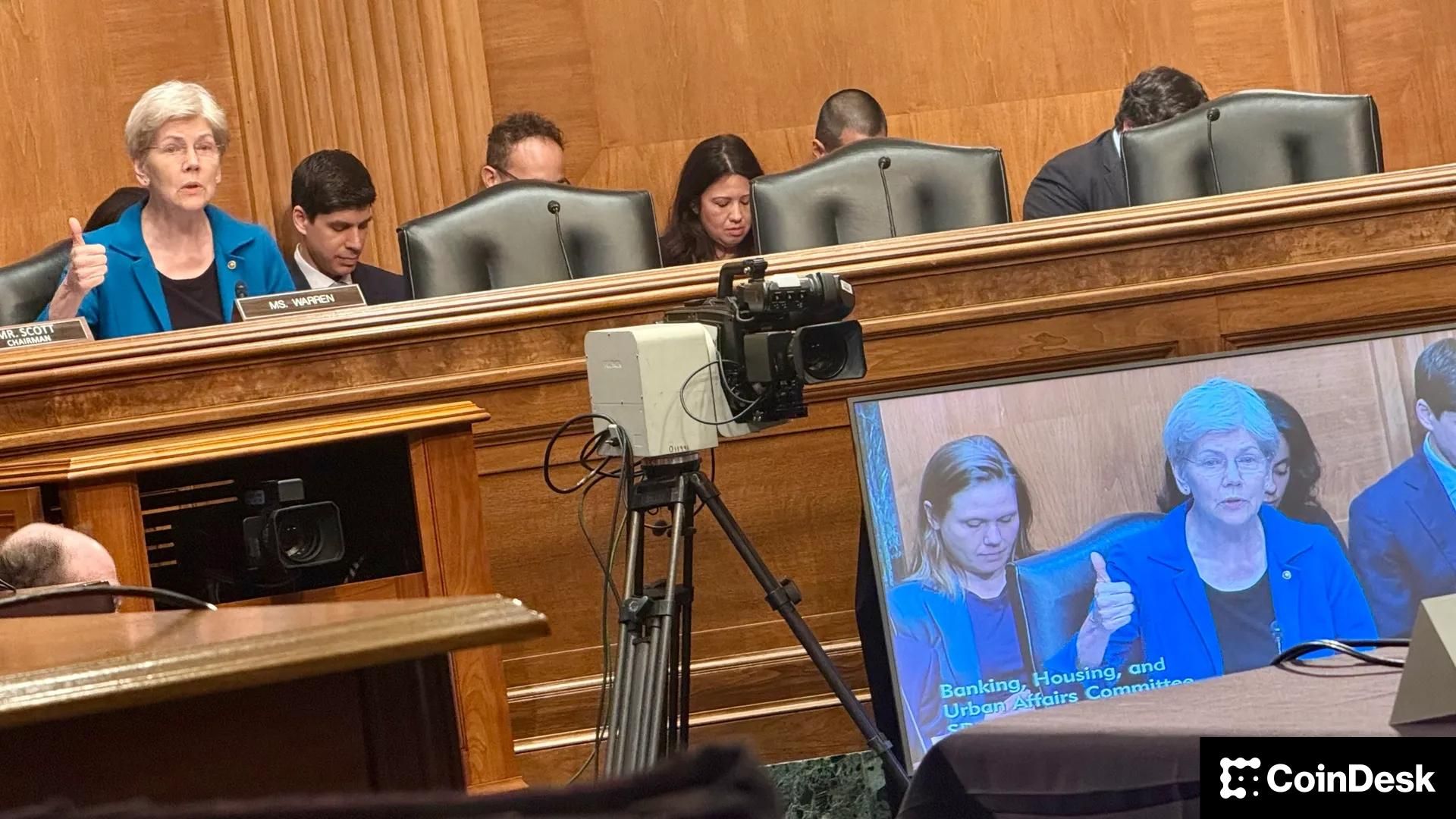
Senate Democrats are calling on the Office of Government Ethics (OGE) to establish clear rules preventing federal employees from using insider knowledge on cryptocurrency-based prediction markets. The March 28 letter, led by Senators Ron Wyden and Elizabeth Warren, addresses growing concerns about potential conflicts of interest as these platforms gain mainstream adoption.
Regulatory Gaps in Emerging Markets
The bipartisan group of seven senators highlighted specific vulnerabilities in prediction markets that allow trading on government policy outcomes and political events. Their letter emphasized that current ethics guidelines, written before the rise of crypto-based prediction platforms, may not adequately address these new trading venues.
The senators referenced recent controversies, including speculation that traders with inside information about potential Trump administration appointments made profitable bets on platforms like Polymarket and Kalshi. They also pointed to reports of White House officials potentially trading on these markets.
While the letter stops short of calling for an outright ban, it requests that OGE issue formal guidance to all federal agencies. The proposed framework would:
- Clarify existing restrictions on using nonpublic information for personal gain
- Address the unique characteristics of blockchain-based prediction markets
- Establish reporting requirements for employees who trade on these platforms
- Define appropriate disclosure obligations
Implications for Crypto Industry Professionals
This regulatory attention reflects the growing intersection between traditional governance and blockchain innovation. For professionals working in crypto compliance, legal, and policy roles, understanding these evolving standards will become increasingly critical.
Companies operating prediction markets will likely need to implement more robust compliance infrastructure, creating demand for specialists in regulatory technology and blockchain compliance. Legal teams at crypto firms should prepare for potential new disclosure requirements and internal policy updates.
The debate also underscores broader questions about how existing financial regulations apply to decentralized platforms. As government agencies develop clearer guidelines, organizations will need professionals who can navigate both traditional securities law and blockchain-specific considerations.
For those building careers at the intersection of policy and crypto, this development signals continued regulatory evolution in the space. Firms operating prediction markets or similar platforms should anticipate increased scrutiny and potential hiring needs in compliance and government relations roles.



